
Hibari Misora: life, music, and cultural legacy
Hibari Misora (1937–1989) was a Japanese singer and actress celebrated for enka singing, prolific recordings, major commercial success, and lasting influence on Japanese popular culture.
Overview
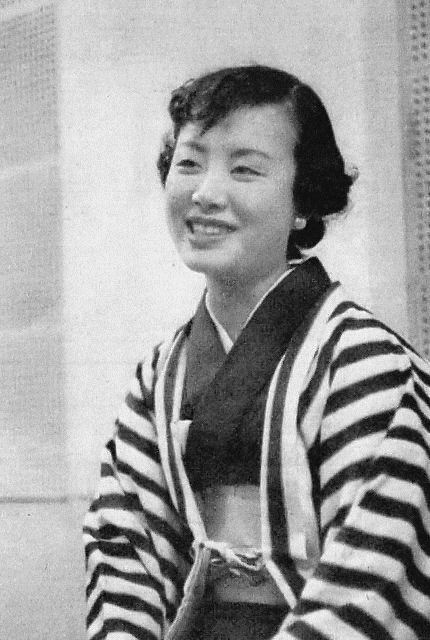
Hibari Misora, born on May 29 (1937) and passing on June 24 (1989), was a Japanese singer and actress whose career spanned several decades. She is widely regarded in Japan as one of the most important popular vocalists of the 20th century. Misora built a reputation for emotional power and vocal clarity, becoming a household name through radio, records and films during the postwar era.
Image gallery
6 Images


Musical style and repertoire
Misora is most closely associated with enka, a genre of sentimental, melodically driven songs that often explore themes of love, loss and perseverance. Her delivery combined a traditional Japanese aesthetic with elements of popular song, allowing her to bridge older styles and contemporary pop audiences. Her repertoire was extensive and varied, ranging from tearful ballads to lively folk-tinged numbers; she recorded roughly 1,200 songs during her lifetime.
Career milestones
Beginning as a child performer and rising to national prominence in the mid-20th century, Misora appeared in numerous films and was a frequent guest on variety programs and live broadcasts. She released a steady stream of singles and albums that sold in large numbers, making her one of the most commercially successful Japanese artists of her era. At the time of her death she had sold an estimated 68 million records; by 2001 global consumer demand pushed reported sales past 80 million (source).
Awards and recognition
Throughout and after her career Misora received many honors. Admirers and institutions recognized her influence on Japanese music and culture, and she was often described as a cultural icon or "living national treasure" by the public and the press. She was also the first woman to receive the People's Honour Award in Japan, a distinction that highlighted her wide social impact (awards).
Legacy and influence
Her final and best-known recording, "Kawa no nagare no yō ni" ("Like the Flow of a River"), became a standard and is commonly performed at memorials and concerts. The song has been recorded and arranged by a variety of international and domestic artists and ensembles, demonstrating Misora's cross-cultural resonance; notable performers of the song include The Three Tenors, Teresa Teng, Mariachi Vargas de Tecalitlán and the Twelve Girls Band. Her stylistic approach to phrasing and emotional intensity shaped generations of Japanese singers.
Notable facts and continued remembrance
- Recorded approximately 1,200 songs and maintained a prolific recording schedule.
- Commercial sales placed her among the best-selling Japanese artists of all time (sales).
- Remembered for both studio recordings and a substantial filmography that brought enka to broader audiences.
Hibari Misora remains a subject of cultural study and public commemoration in Japan: radio specials, televised retrospectives and reissued recordings keep her voice familiar to new listeners. For further contemporary references and archival material see additional resources (birth, year, death, obituary, biography, filmography, honors, discography).
Questions and answers
Q: Who was Hibari Misora?
A: Hibari Misora was a Japanese singer and actress who was known for her enka music.
Q: What were some of her accomplishments?
A: She was a living national treasure, regarded as one of the greatest singers of all time, and the first woman in Japan to receive the People's prize of honour for her contributions to the music industry.
Q: How successful was she commercially?
A: Hibari Misora was one of the most commercially successful music artists in the world. She had recorded around 1,200 songs and sold 68 million records by the time of her death, and more than 80 million records had been sold by 2001.
Q: What is her swan song?
A: Her swan song is the song "Kawa no nagare no yō ni" (川の流れのように), which is often performed by artists and orchestras in her honor.
Q: Who are some of the artists who have recorded her swan song?
A: The Three Tenors, Teresa Teng, Mariachi Vargas de Tecalitlan, and the Twelve Girls Band are some of the artists who have recorded her swan song.
Q: How did consumer demand for her recordings change after her death?
A: Consumer demand for her recordings grew significantly after her death.
Q: How many records did she sell in total?
A: She sold 68 million records by the time of her death, and more than 80 million records had been sold by 2001.
Tags
Related articles
Author
AlegsaOnline.com Hibari Misora: life, music, and cultural legacy Leandro Alegsa
URL: https://en.alegsaonline.com/art/120625
Sources
- hmv.co.jp : "Top 100 Japanese pops Artists - No.5"
- hmv.co.jp : "Top 50 Singers of All Time - 29位"
- hyou.net : "国民栄誉賞受賞者リスト"
- nytimes.com : "Hibari Misora, Japanese Singer, 52"
- columbia.jp : "NIPPON COLUMBIA CO.,LTD. - History"
- honto.jp : "美空ひばり大全集 20世紀の宝石 全歌詩集録"
- imdb.com : "Nodojiman-kyô jidai"
- books.google.com : Encyclopedia of Contemporary Japanese Culture
- japan-zone.com : japan-zone.com/news/2008/09/26/new-release-from-misora-hibari-20-years-after-her-death/
- books.google.com : Refashioning Pop Music in Asia: Cosmopolitan Flows, Political Tempos, and Aesthetic Industries
- books.google.com : World Music
- goodsarchive.com : goodsarchive.com