
hide (Hideto Matsumoto) — Japanese guitarist, singer and producer
Hideto "hide" Matsumoto (1964–1998) was a Japanese guitarist, singer and producer, lead guitarist of X Japan and a successful solo artist influential to the visual kei movement and modern Japanese rock.
Overview
Hideto Matsumoto, known professionally as hide, was a Japanese musician, singer, songwriter and record producer who became widely known as the lead guitarist of X Japan. He also enjoyed a parallel solo career and collaborated with international musicians, including work with the band Zilch. His music blended elements of glam rock, pop and hard rock, and his image and approach helped shape the musical and visual language associated with the visual kei scene and related cultural developments in Japan.
Image gallery
9 Images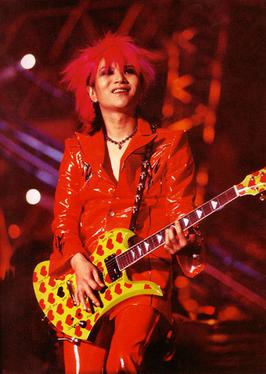




Early life and background
Born on 13 December 1964 in Yokosuka, within Kanagawa Prefecture, hide developed an early interest in the guitar and popular music. He later lived and worked in major music centres, notably Tokyo, where much of his career was based, and for recording and collaboration he spent periods in Los Angeles. Those cities offered him access to both the domestic industry and international contacts that influenced his production choices.
Career with X Japan and solo work
As a member of the band linked above, hide contributed distinctive guitar work and a bold visual presence that complemented the band's mix of heavy metal, symphonic elements and dramatic performance. Parallel to his band activities, his solo records and singles reached wide attention in Japan and established him as a front-running solo artist. He experimented with electronic textures and modern studio techniques, and he also worked behind the scenes as a producer and collaborator for other performers.
Collaborations and international projects
hide's interest in cross-cultural collaboration led to projects with non-Japanese musicians; he took part in the international band Zilch and worked with Western producers and instrumentalists. These ventures helped bring different production values and approaches into his music and contributed to a broader recognition beyond Japan. Fans and commentators often cite these efforts as evidence of his openness to diverse musical influences.
Musical style and public image
Musically, hide combined melodic hooks with aggressive guitar riffs and layered arrangements. He was known for experimenting with effects, tunings and studio techniques to broaden the sonic palette of his recordings. Visually, he adopted flamboyant costumes, dyed hair and stylized makeup that aligned with and helped popularize the visual kei aesthetic, in which theatrical presentation and fashion are integral to artistic identity.
Death and official ruling
hide died in Tokyo on 2 May 1998. Authorities officially ruled his death a suicide, a conclusion that had a profound effect on his fans and on the music community. The circumstances prompted an outpouring of grief and led to memorial concerts, tribute releases and renewed interest in his recorded work.
Legacy and influence
hide's influence on later generations of Japanese musicians is widely acknowledged. He helped popularize a visual-forward approach to rock performance, and many artists cite his combination of image-making, songwriting and production as formative. Posthumous releases, reissues and tribute events have maintained public awareness of his music, and his records remain sought after by collectors and new listeners alike.
Reception and commemoration
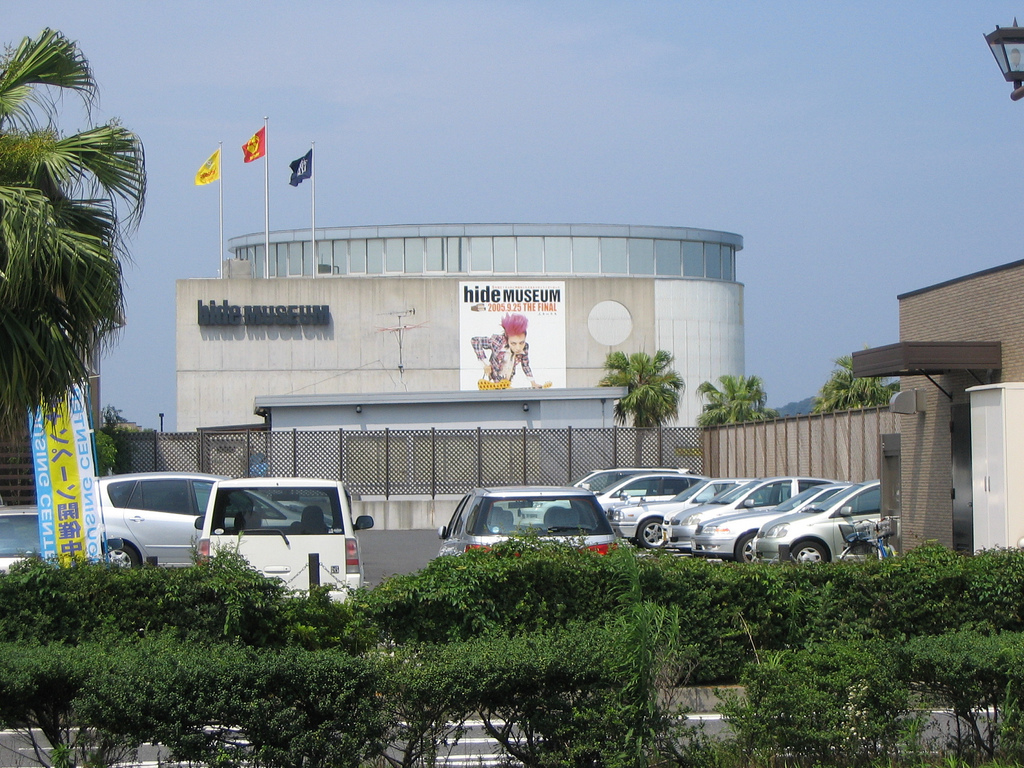
In the years following his death there have been numerous tributes, concerts and commemorative exhibitions that reflect the sustained affection of his fanbase. Musicians and critics often point to hide when discussing the evolution of modern Japanese rock and the international visibility of the visual kei movement. His work is remembered both for its distinctive sound and for the bold visual and cultural statements he made.
Further reading and related topics
- Band history and discography: X Japan and associated releases.
- Genres and influence: articles on glam rock and experimental pop.
- Scene context: histories of visual kei and its cultural impact.
- Places of importance: Yokosuka, Kanagawa and Tokyo as regional influences.
- International work and collaborations: projects linked to Los Angeles recording sessions and the band Zilch.
For readers seeking more detail, contemporary biographies, music press archives and documented discographies provide deeper chronologies of hide's releases, collaborations and posthumous projects. His role in the development of a style that blends intense musical performance with a carefully crafted image remains a subject of study and admiration.
Questions and answers
Q: Who was Hideto Matsumoto?
A: Hideto Matsumoto was a Japanese musician, singer, songwriter, and record producer. He was better known by his stage name hide and was the lead guitarist of the band X Japan.
Q: What was hide known for?
A: hide was known for being a successful solo artist and for contributing to the American-based band Zilch. He is also considered to be very influential in modern Japanese music.
Q: What genre of music did hide's music fall under?
A: hide's music can be classified as glam rock and pop.
Q: What musical movement did X Japan help to develop?
A: X Japan was one of the main bands to develop the musical movement called visual kei.
Q: Where was hide born and where did he live and create music?
A: hide was born in Yokosuka, Kanagawa Prefecture, Japan. He lived and created music in Tokyo and
Related articles
Author
AlegsaOnline.com hide (Hideto Matsumoto) — Japanese guitarist, singer and producer Leandro Alegsa
URL: https://en.alegsaonline.com/art/120630
Sources
- nytimes.com : "The Pop Life: End of a Life, End of an Era"
- asiaarts.ucla.edu : "X Japan Best review"