
Henry Paulson: U.S. Treasury Secretary, Wall Street Executive, and Climate Advocate
Profile of Henry M. "Hank" Paulson Jr., former U.S. Treasury Secretary (2006–2009), longtime Goldman Sachs executive, IMF governor, and co‑chair of the Risky Business climate risk initiative.
Henry Merritt "Hank" Paulson Jr. (born March 28, 1946) is an American financier and former public official best known for serving as United States Secretary of the Treasury from 2006 to 2009. Before entering government he spent decades in the private sector, rising to senior leadership at Goldman Sachs. During his Treasury tenure he was a member of the International Monetary Fund Board of Governors and took a prominent role in policy responses to the 2007–2009 financial crisis.
Image gallery
7 Images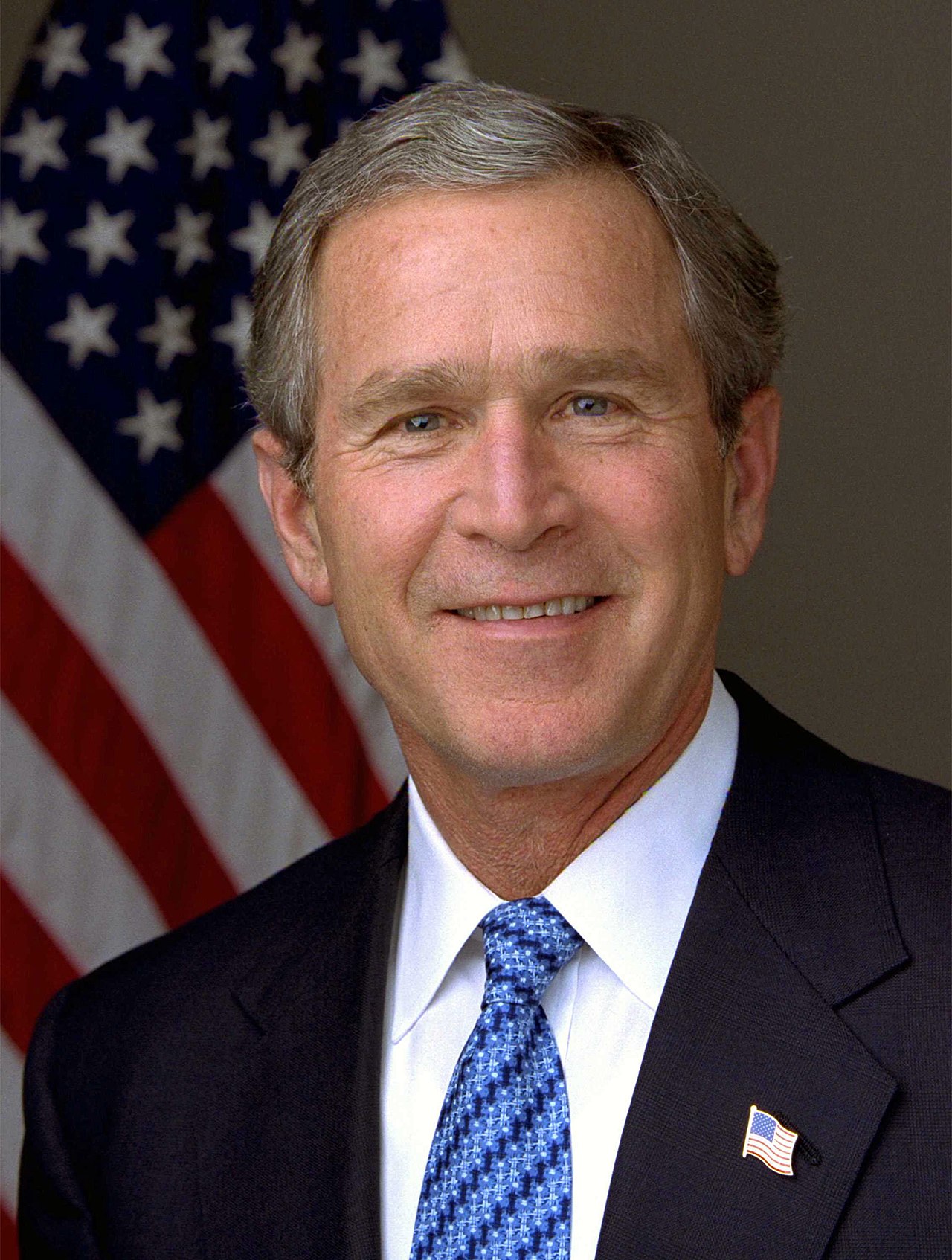

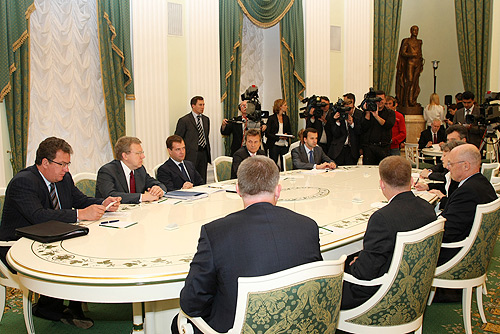


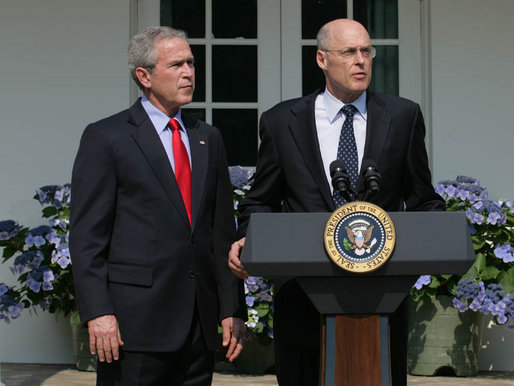
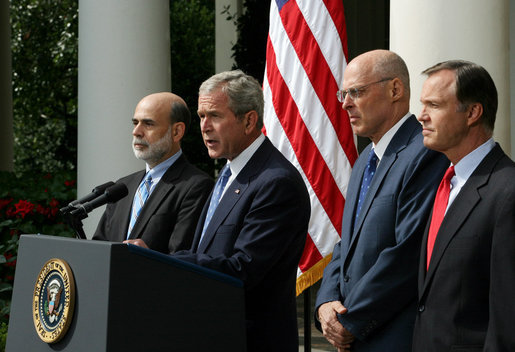
Background and early career
Paulson grew up in the United States and completed higher education before embarking on a career in finance. He joined the investment banking industry and over time advanced into executive roles. His business experience was built through years at a major global firm where he held the positions of chairman and chief executive, responsibilities that shaped his reputation as a leading Wall Street figure.
Wall Street leadership
As a senior executive at Goldman Sachs, Paulson was involved in corporate strategy, risk management and international operations. That background gave him deep familiarity with financial markets and the network of global finance. Observers often highlight his transition from private-sector leadership to public office as an example of the close ties between finance and economic policymaking.
Treasury service and the financial crisis
Appointed Treasury Secretary during a Republican administration, Paulson served at a time of acute market stress. He helped coordinate federal responses to threats in the banking and credit systems, working with regulators, central bankers and legislators. His role included support for emergency measures intended to stabilize markets and restore confidence; those actions and their consequences remain subjects of study and debate among economists and historians.
Later work and public initiatives
After leaving government, Paulson maintained a public profile through writing, speaking and philanthropic activity. He became involved in efforts to communicate long-term risks to the economy, including climate-related economic hazards. Paulson is a co-chair, alongside Tom Steyer and Michael Bloomberg, of a report produced by a cross-partisan coalition called Risky Business, which assesses the economic impacts of climate change and global warming on regional and national scales.
Notable aspects and legacy
- Bridge between the private financial sector and public economic policy, bringing corporate experience to government service.
- Central participant in U.S. policy responses to the late‑2000s financial turmoil; actions taken during his tenure continue to influence regulatory debates.
- Active in promoting awareness of climate risks to the economy through collaborative, nonpartisan work with business and political leaders.
Paulson's career illustrates the interplay of finance, government and public policy. His tenure is frequently referenced in discussions about crisis management, the role of the Treasury, and how market leaders can engage with long‑term societal risks such as climate change. For further reading and original reports, see materials associated with the Risky Business project and institutional statements from the International Monetary Fund.
Related articles
Author
AlegsaOnline.com Henry Paulson: U.S. Treasury Secretary, Wall Street Executive, and Climate Advocate Leandro Alegsa
URL: https://en.alegsaonline.com/art/120555