
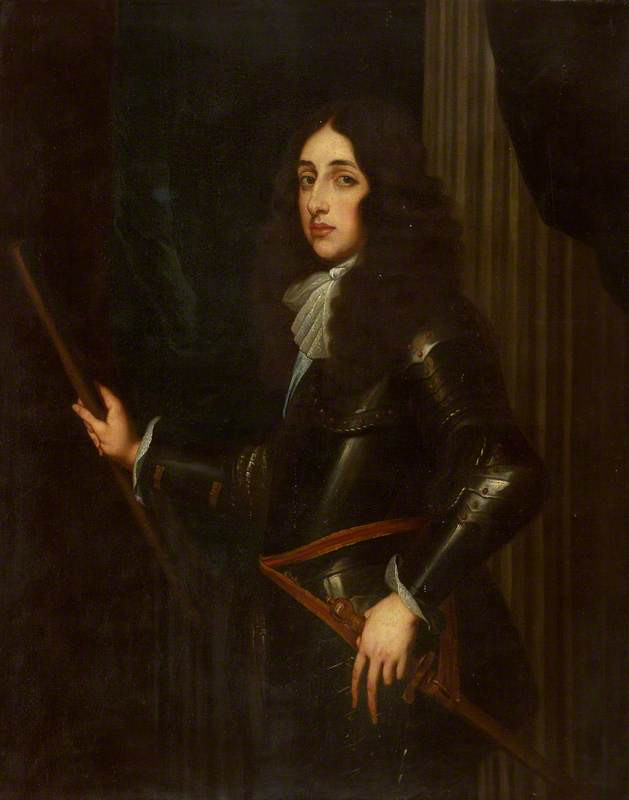
Henry Stuart, Duke of Gloucester (1640–1660)
Youngest surviving son of Charles I and Henrietta Maria, Henry Stuart (1640–1660) lived through the Civil War, exile and the Restoration; known as 'Henry of Oatland', he died soon after the monarchy was restored.
Overview
Henry Stuart, Duke of Gloucester (8 July 1640 – 18 September 1660) was the youngest surviving son of Charles I and Henrietta Maria. Often referred to in contemporary sources as "Henry of Oatland," he was born into the Stuart dynasty at a time of rising political tension in England. His brief life was shaped by the English Civil War, a period of family exile, and the return of the monarchy in 1660.
Image gallery
6 Images



Family and early life
Henry was the third of the king's sons who reached adulthood, and grew up alongside his elder brothers, the future Charles II and James, later Duke of York. As a junior prince he had the social rank and style of a royal, but—unlike his eldest brothers—he never had the opportunity to play a long public role because of his youth and the turbulent era into which he was born.
Exile and upbringing
During the Civil War and its aftermath the royal family spent long periods abroad and under strain. Henry's childhood involved removal from England and time in continental courts where the Stuarts sought support. His education and training reflected the expectations for a prince of his rank, though opportunities for significant command or influence were limited while the monarchy was displaced.
Death and legacy
Henry died in September 1660, shortly after the Restoration of his brother Charles II. Contemporary accounts attribute his early death to an acute illness; later historians have often cited smallpox as the likely cause. His passing at age twenty left his surviving brothers as the principal heirs and removed a possible dynastic alternative. He is remembered chiefly for his place in the Stuart family and the poignancy of a life curtailed by the convulsions of mid‑17th‑century England.
Notable facts
- Nickname: "Henry of Oatland" referring to his birthplace and upbringing.
- Position: youngest surviving son of a reigning king during the Civil War era.
- Historical context: his life illustrates the disruption of royal households during the war, exile and restoration of the monarchy.
Related articles
Author
AlegsaOnline.com Henry Stuart, Duke of Gloucester (1640–1660) Leandro Alegsa
URL: https://en.alegsaonline.com/art/120563