
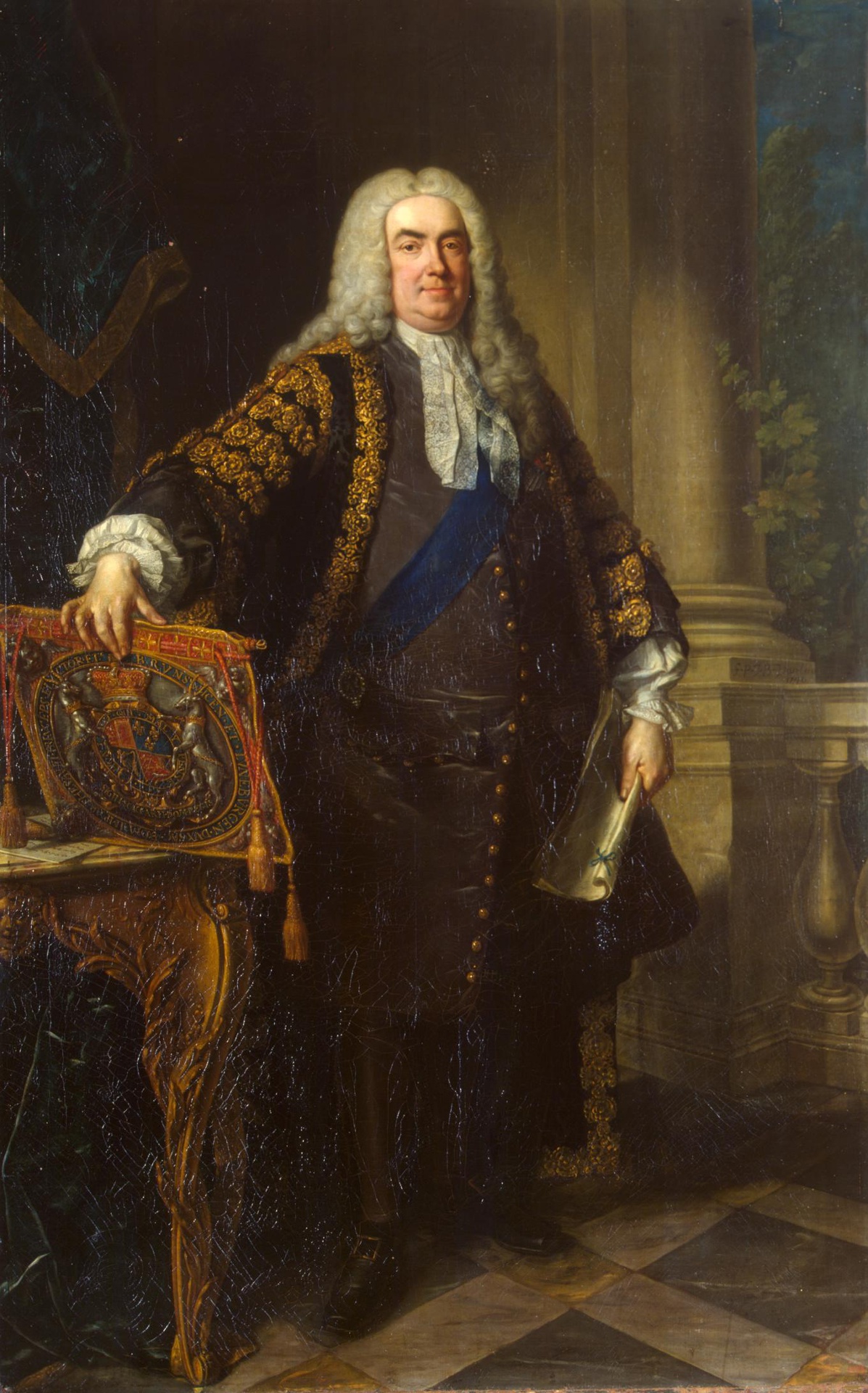
Henry Pelham (1694–1754)
British Whig statesman who led the government of Great Britain from 1743 to 1754; noted for steady administration, fiscal management and coalition-building during mid-18th century conflicts.
Overview
Henry Pelham (25 September 1694 – 6 March 1754) was a British Whig statesman who served as Prime Minister of Great Britain from 27 August 1743 until his death in 1754. He is remembered for a moderate, consensus-driven style of leadership and for his role in stabilizing government finances and parliamentary administration in a turbulent decade.
Image gallery
7 Images


Background and rise
Born into a prominent Whig family, Pelham entered public life as a Member of Parliament and gradually acquired influence through parliamentary skill and effective management of party business. His political career was closely associated with leading Whig figures of the era, including his elder brother, who later became Duke of Newcastle.
Major offices and activity
During his career Pelham held several key positions and responsibilities. He combined the duties of head of government with important ministerial roles and was known for practical administration rather than striking rhetoric.
- Prime Minister of Great Britain (1743–1754)
- Leader of the House of Commons and senior cabinet minister
- Oversight of treasury and fiscal policy as a principal financial minister
Policies and governance
Pelham emphasized fiscal responsibility, careful management of public credit and patronage, and support for commercial interests. His government sought to maintain political stability by balancing competing factions within the Whig party and by avoiding extreme reforms. Contemporaries often praised his competence and modest demeanor.
War, crisis and foreign affairs
His premiership covered the later stages of the War of the Austrian Succession and the Jacobite rising of 1745. Pelham's administration worked to sustain military efforts while limiting burdens on the economy; it also navigated complex alliance politics on the continent, seeking to preserve British interests without overextending resources.
Death and legacy
Pelham died in office in 1754 and was succeeded by his brother, the Duke of Newcastle. Historians generally regard him as an effective administrator whose steady leadership, fiscal management and skill in party-building helped maintain governmental continuity in a period of international conflict and domestic factionalism.
Related articles
Author
AlegsaOnline.com Henry Pelham (1694–1754) Leandro Alegsa
URL: https://en.alegsaonline.com/art/120556