
Hassan Rouhani
Hassan Rouhani (born 1948) is an Iranian cleric, lawyer and politician who served as President of Iran from 2013 to 2021; he played a leading role in nuclear negotiations and pursued cautious domestic reforms.
Overview
Hassan Rouhani (born Hassan Feridon on 12 November 1948) is an Iranian cleric, academic and politician. His Persian name is often presented as حسن روحانی, and his surname appears in English in several forms, see transliterations. He is widely described as an Iranian politician and a religious jurist, commonly referred to by the clerical title Mujtahid. He served two terms as President of Iran from 2013 until 2021 and has held multiple senior advisory and security posts.
Image gallery
10 Images
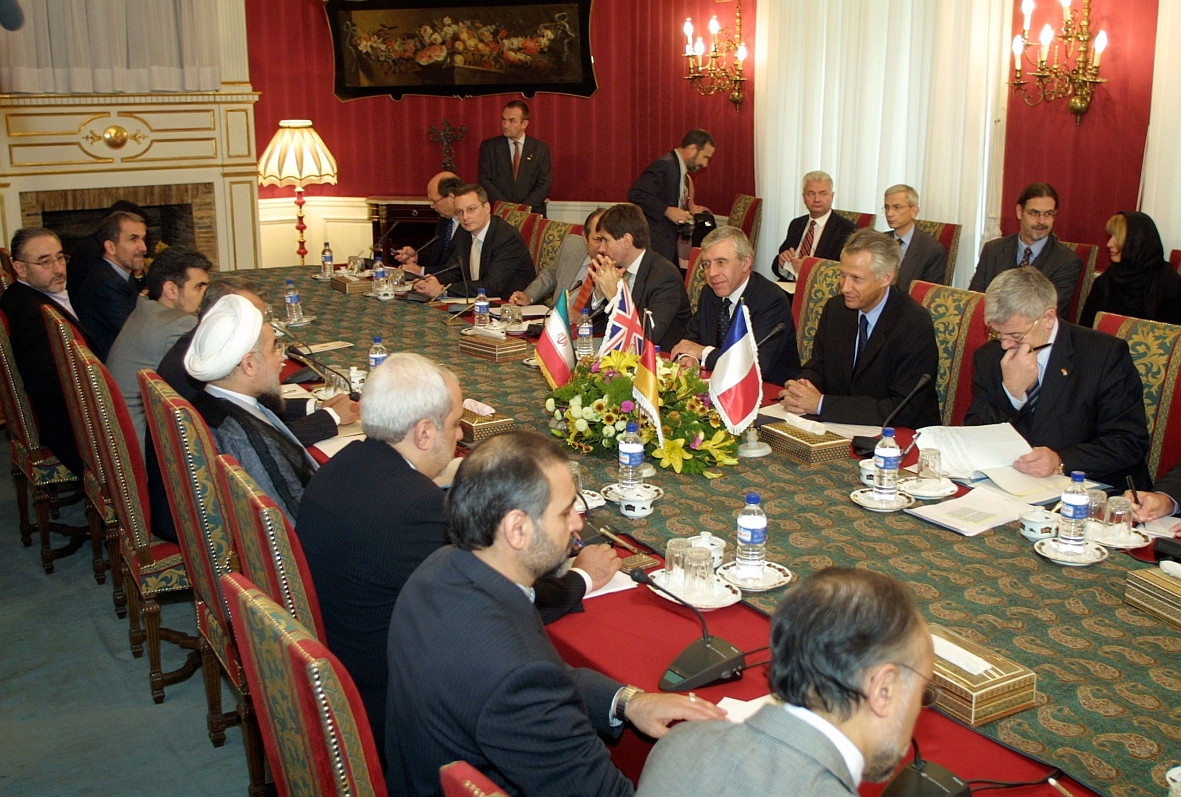


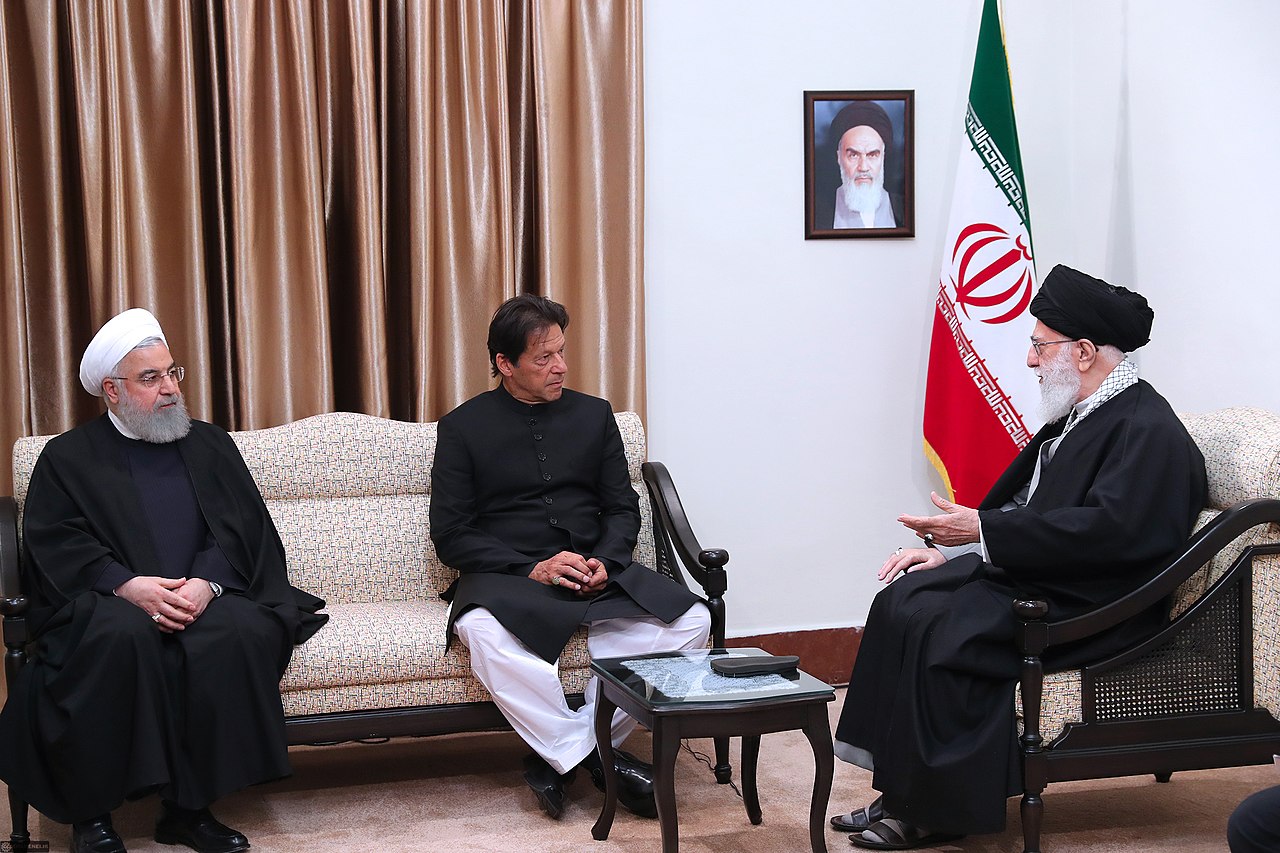
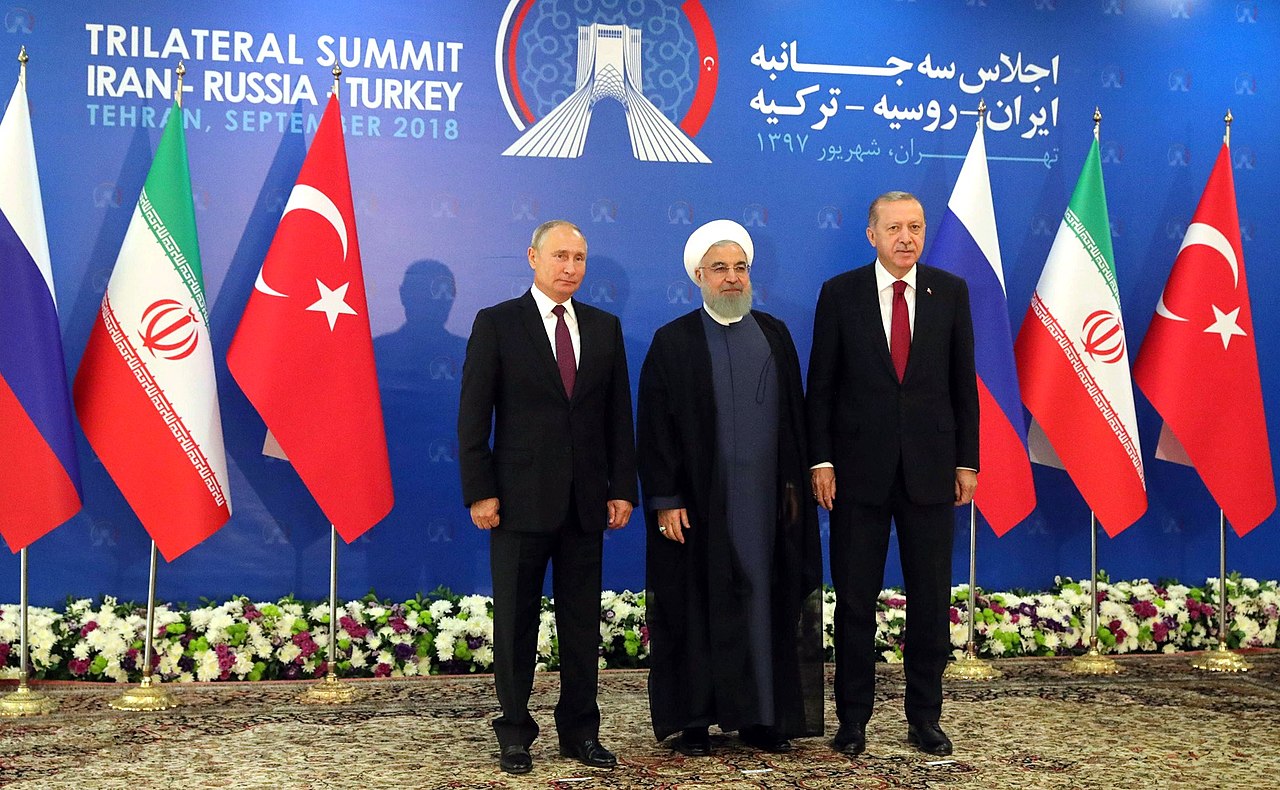

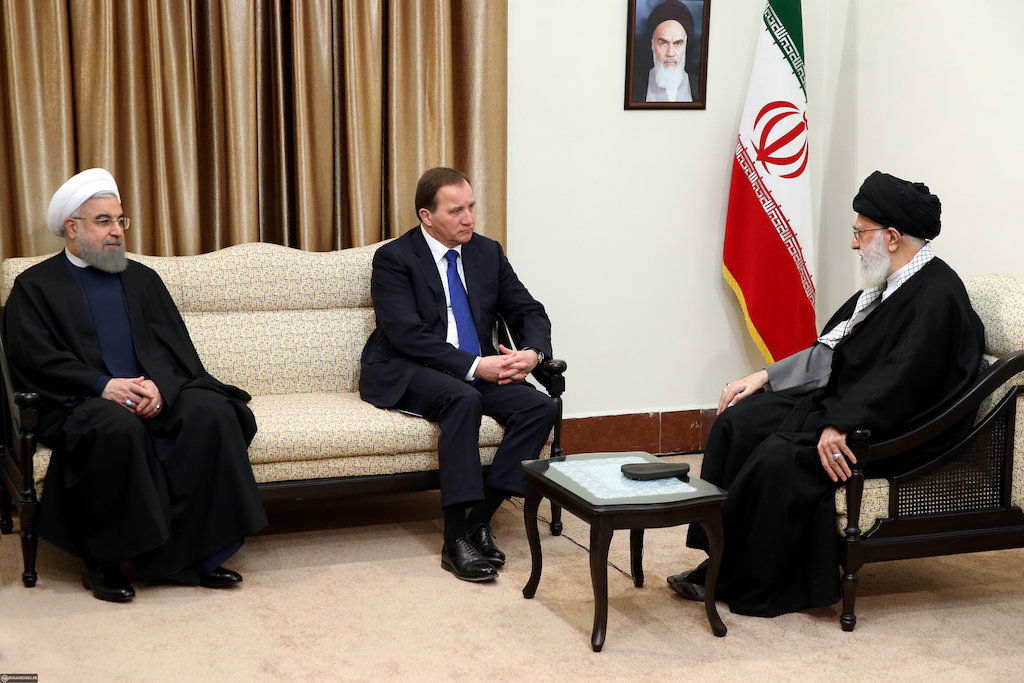


Early life and education
Rouhani was born in the northern Iranian province of Sorkheh and grew up in a religious family. He studied in seminary settings before also undertaking formal university studies. He trained in Islamic law and theology while also pursuing legal and academic studies; later in his career he taught and published on constitutional and security subjects and was described in some sources as a lawyer and university-level scholar. His combined clerical and academic background shaped his approach to governance, blending religious legitimacy with technocratic language.
Political rise and positions
Rouhani's public career began after the 1979 Iranian Revolution, when he took a succession of legislative and security posts. He served in the Islamic Consultative Assembly (the Majlis), at times as deputy speaker, and was appointed to national advisory bodies. Notable long-term roles include membership of the Assembly of Experts, service on the Expediency Discernment Council, and participation in Iran's senior security institutions. From 1989 to 2005 he was secretary of the Supreme National Security Council, where he directed Iran's early nuclear negotiations and formed much of his reputation as a negotiator with European counterparts.
Presidency (2013–2021)
Running as a moderate conservative with a reformist-leaning program, Rouhani campaigned in 2013 on promises of greater civil freedoms, economic recovery, and improved international relations. After winning the June election, he took office in August 2013. His administration is most associated with efforts to reduce tensions with Western powers and the 2015 nuclear agreement framework that temporarily curbed Iran's nuclear program in return for sanctions relief. Domestically, his government pursued measures to stabilize the economy and expand telecommunications and social services, though many critics argued the gains were uneven.
Policies, controversies and legacy
Rouhani's tenure mixed diplomatic openness with constrained reform. Supporters praise his pragmatic diplomacy, particularly on nuclear talks, and relative easing of cultural restrictions; critics contend he did not sufficiently challenge hard-line institutions on political prisoners, press freedom, or the role of unelected bodies. Economically, oil price volatility and renewed sanctions after 2018 limited the administration's achievements. After leaving the presidency in 2021 he remained an influential figure within consultative councils and clerical circles.
Major offices and roles
- Member of the Assembly of Experts (since 1999)
- Member of the Expediency Discernment Council (since 1991)
- Secretary of the Supreme National Security Council (1989–2005)
- President of Iran (2013–2021)
- Head of the Center for Strategic Research (from early 1990s)
For background on Rouhani's clerical standing and religious education see Mujtahid and related profiles; for discussion of his academic credentials consult analyses that reference his university studies and legal training (academic, lawyer). Contemporary summaries and timelines are available in general reference and news overviews (Persian-language sources, transliterations, political accounts).
Questions and answers
Q: What is Hassan Rouhani's full name?
A: Hassan Rouhani's full name is حسن روحانی, also transliterated Ruhani, Rohani, Rowhani; born Hassan Feridon حسن فریدون.
Q: When was he born?
A: He was born on 12 November 1948.
Q: What positions has he held in the Iranian government?
A: He has been a member of the Assembly of Experts since 1999, member of the Expediency Council since 1991, member of the Supreme National Security Council since 1989, and head of the Center for Strategic Research since 1992. He was also deputy speaker of the 4th and 5th terms of the Islamic Consultative Assembly (Majlis) and secretary of the Supreme National Security Council from 1989 to 2005.
Q: What did he promise if elected as President?
A: If elected as President, he promised to prepare a "civil rights charter", restore the economy and improve rocky relations with the West.
Q: When did he register for presidential election?
A: He registered for presidential election on 7 May 2013.
Q: When was he elected as President?
A: He was elected as President on 15 June 2013.
Q: When did his term begin?
A: His term began on 3 August 2013.
Related articles
Author
AlegsaOnline.com Hassan Rouhani Leandro Alegsa
URL: https://en.alegsaonline.com/art/120403
Sources
- rohanyat.ir : "Members of Combatant Clergy Association"
- juancole.com : Iran’s Presidential Election Heats up as Reformist Rowhani Enters Race
- majlesekhobregan.ir : "Members of Assembly of Experts"
- leader.ir : "Two new members appointed to the Expediency Discernment Council"
- leader.ir : "Hassan Rouhani appointed as the Supreme Leader's representative to the SNSC"
- csr.ir : "Hassan Rouhani's Résumé"
- english.peopledaily.com.cn : "Iran's former nuclear negotiator registers for presidential campaign"
- articles.washingtonpost.com : "Iran opens registration for presidential race with ruling clerics holding strong hand"
- reuters.com : "Former nuclear negotiator joins Iran's presidential race"
- washingtonpost.com : "Iran presidential candidate vows 'constructive' outreach to West if elected"
- presstv.ir : "Expediency Council member Rohani to run for president"
- bbc.co.uk : "Hassan Rouhani leads Iran presidential election vote count"
- online.wsj.com : "Moderate Candidate Wins Iran's Presidential Vote"