
Hastings Kamuzu Banda: Leader of Malawi (1898–1997)
Biography and overview of Hastings Kamuzu Banda, physician-turned-statesman who led Malawi from the 1960s to 1994, covering his rise, rule, policies, human-rights record, and legacy.
Hastings Kamuzu Banda (15 February 1898 – 25 November 1997) was a central political figure in the modern history of Malawi. Trained and active abroad before returning to lead the independence movement, he became the dominant leader of the country through decolonisation and oversaw a long, highly personal rule that shaped Malawi's institutions and international orientation.
Image gallery
9 Images
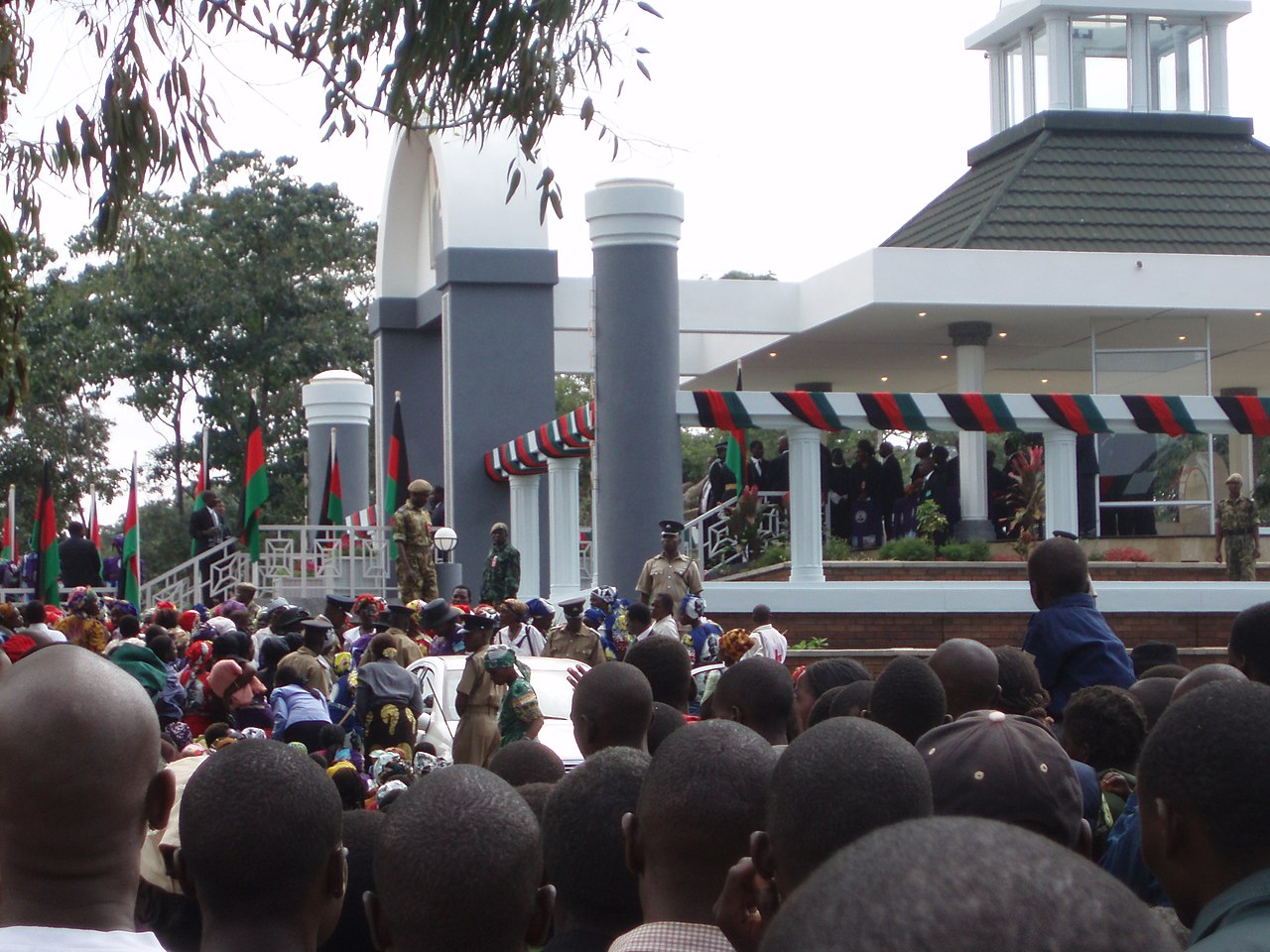

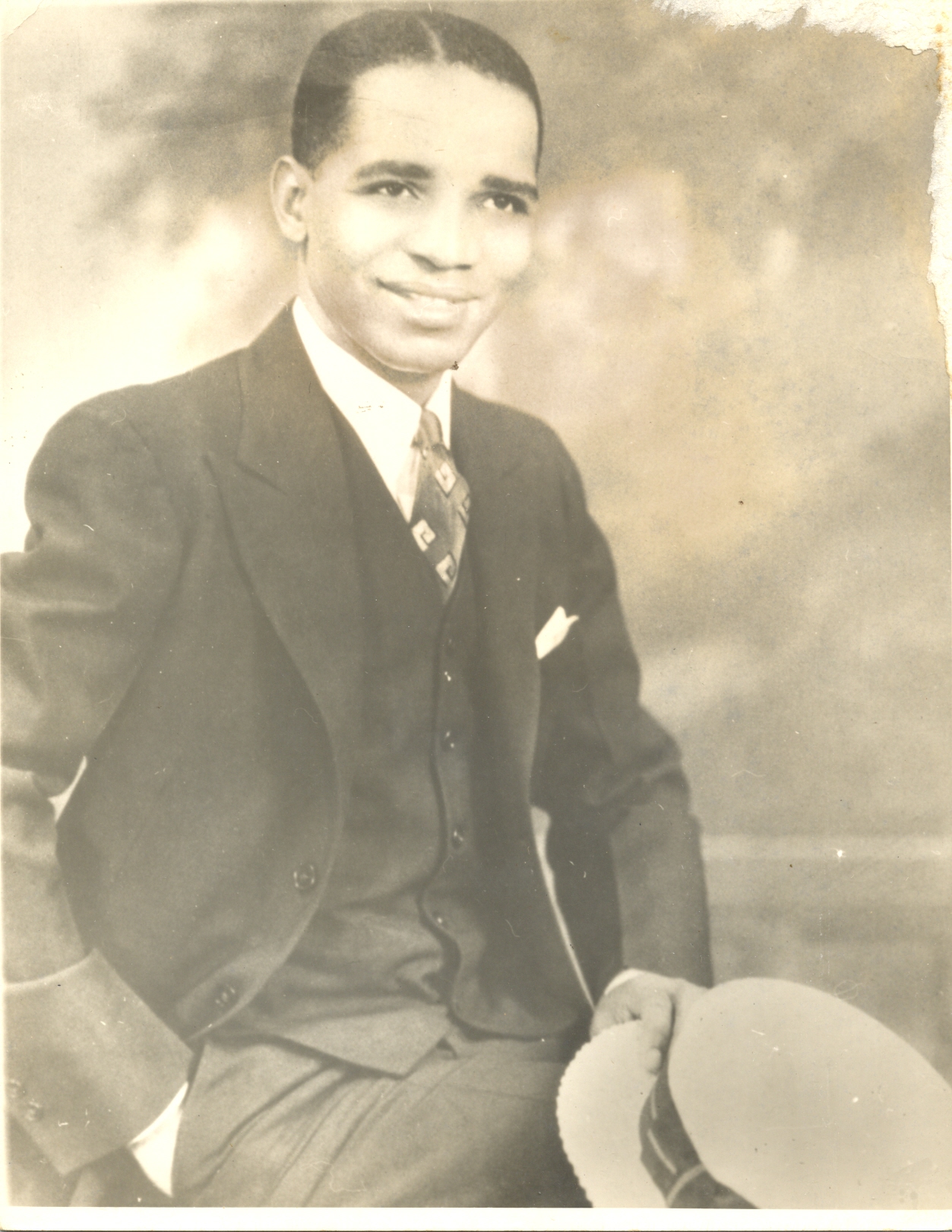
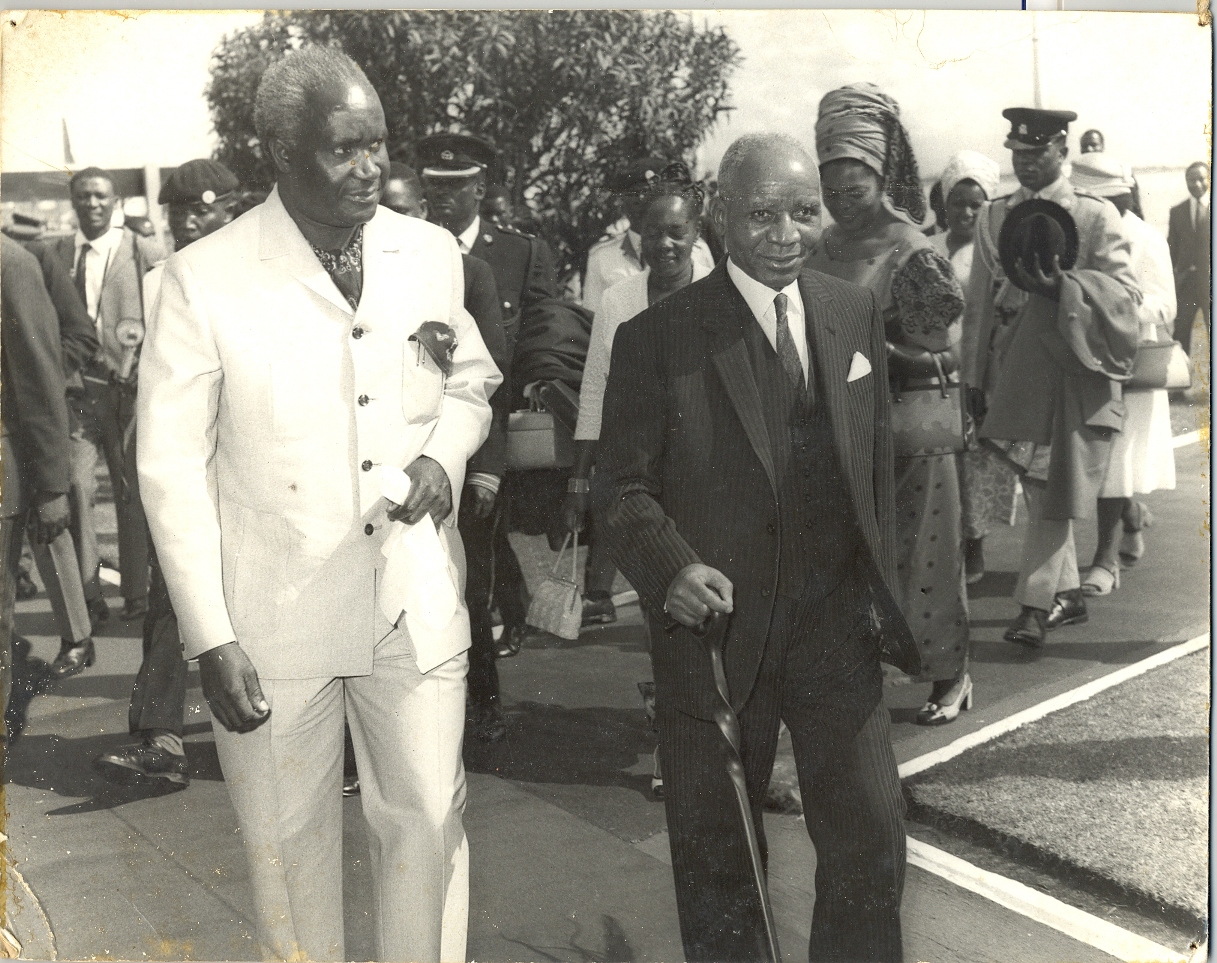
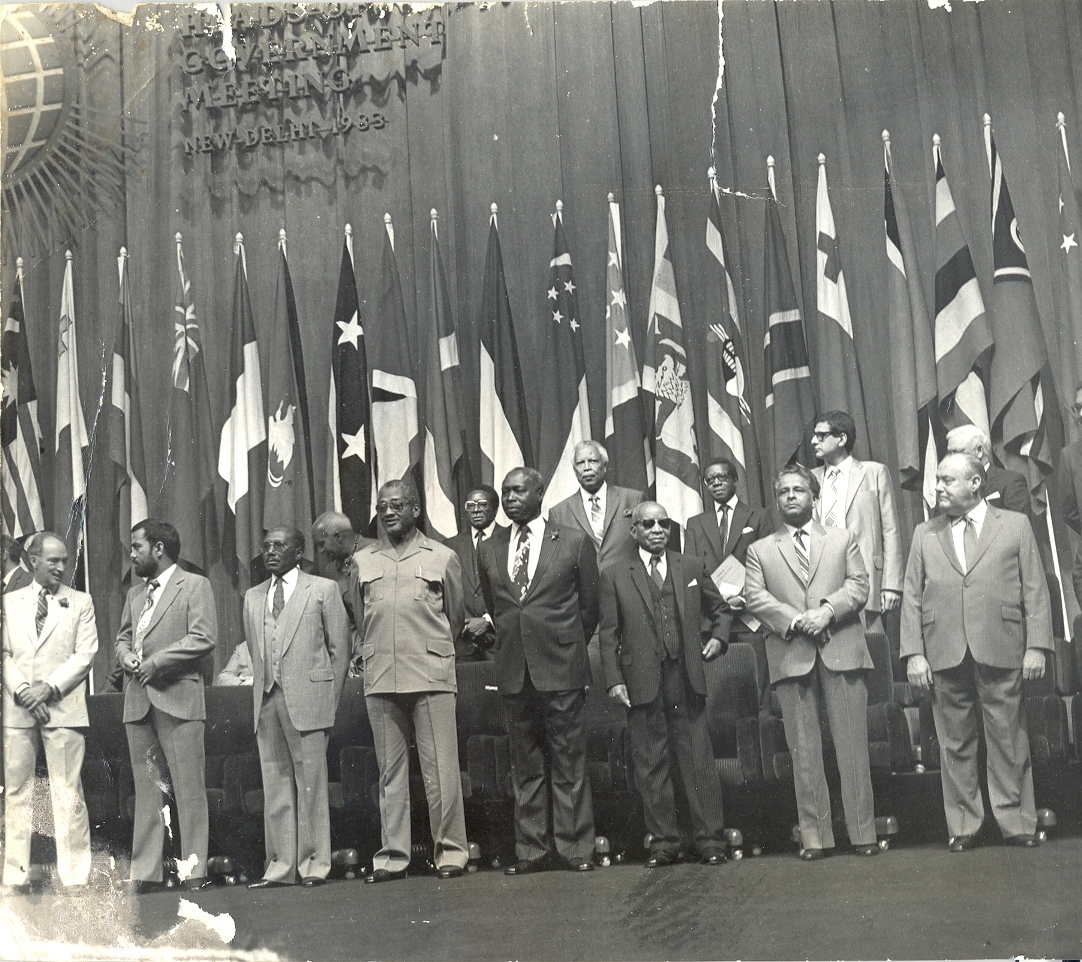


Early life and rise to leadership
Banda spent much of his early adult life outside southern Africa, where he worked and trained as a medical practitioner and engaged with diasporic political networks. In the mid-20th century he returned to what was then Nyasaland and emerged as the most prominent figure in the nationalist movement. He consolidated support, succeeded in defeating colonial-era parties, and guided the territory toward self-government and independence in the 1960s.
Political style and governance
After independence Banda moved from prime ministerial office to become head of state and eventually assumed the title and privileges of a life president. His administration was characterised by a strong centralisation of power, an emphasis on order and traditional values, and a generally pro-Western, particularly pro-British, foreign policy. Economically, his government pursued pragmatic, conservative policies with attention to cash crops and stability.
Methods, repression and institutions
Banda's rule combined modernization in some sectors with strict political control. Political opposition was limited under a one-party system, and security services were used to suppress dissent. International observers and domestic critics documented human-rights abuses, including arbitrary detention and punishment of opponents. At the same time, Banda retained popular support among some segments of society for providing relative stability and continuity.
Transition and legacy
In the early 1990s domestic pressure and demands for reform brought a referendum and a shift to multiparty politics. Banda was defeated in the first multiparty elections and left office in 1994. He spent his last years away from power and died in 1997. His legacy remains contested: he is credited with leading Malawi to independence and maintaining order, but also criticised for authoritarian practices and curtailed civil liberties.
Notable facts
- Often referred to simply as "Dr. Banda," reflecting his medical background.
- Led the country through decolonisation and into a prolonged single-party state.
- Remembered for strict social policies, a pro-Western orientation, and a controversial human-rights record.
Related articles
Author
AlegsaOnline.com Hastings Kamuzu Banda: Leader of Malawi (1898–1997) Leandro Alegsa
URL: https://en.alegsaonline.com/art/120405
Sources
- malawipage.com : "In Memoriam, When Nelson Mandela met Hastings Kamuzu Banda - Malawi Page"
- nathanielturner.com : "Historical Context for Hip Hop Store in Malawi"
- mwnation.com : "Family, nation celebrate Kamuzu's life"
- nyasatimes.com : "MCP, family celebrate Kamuzu's life: Chakwera to champion for rebuilding of party headquarters"
- afriem.org : "Brief biography: Dr Hastings Banda"
- britannica.com : "Hastings Kamuzu Banda"
- independent.co.uk : "Obituary: Dr Hastings Banda"