
Hamid Karzai — Afghan politician and former president
Overview of Hamid Karzai (born 1957), his background, presidency (2001–2014), political role, languages, and legacy as a central figure in Afghanistan’s recent history.
Overview
Hamid Karzai (born 24 December 1957) is an Afghan political leader who served as the country’s head of state and then president from December 2001 until September 2014. After the 2001 collapse of the Taliban regime he became chairman of the interim administration and later won national elections, becoming widely recognized as the first democratically elected President of Afghanistan. His time in office spanned the period of large-scale international engagement in Afghan reconstruction and security.
Image gallery
10 Images


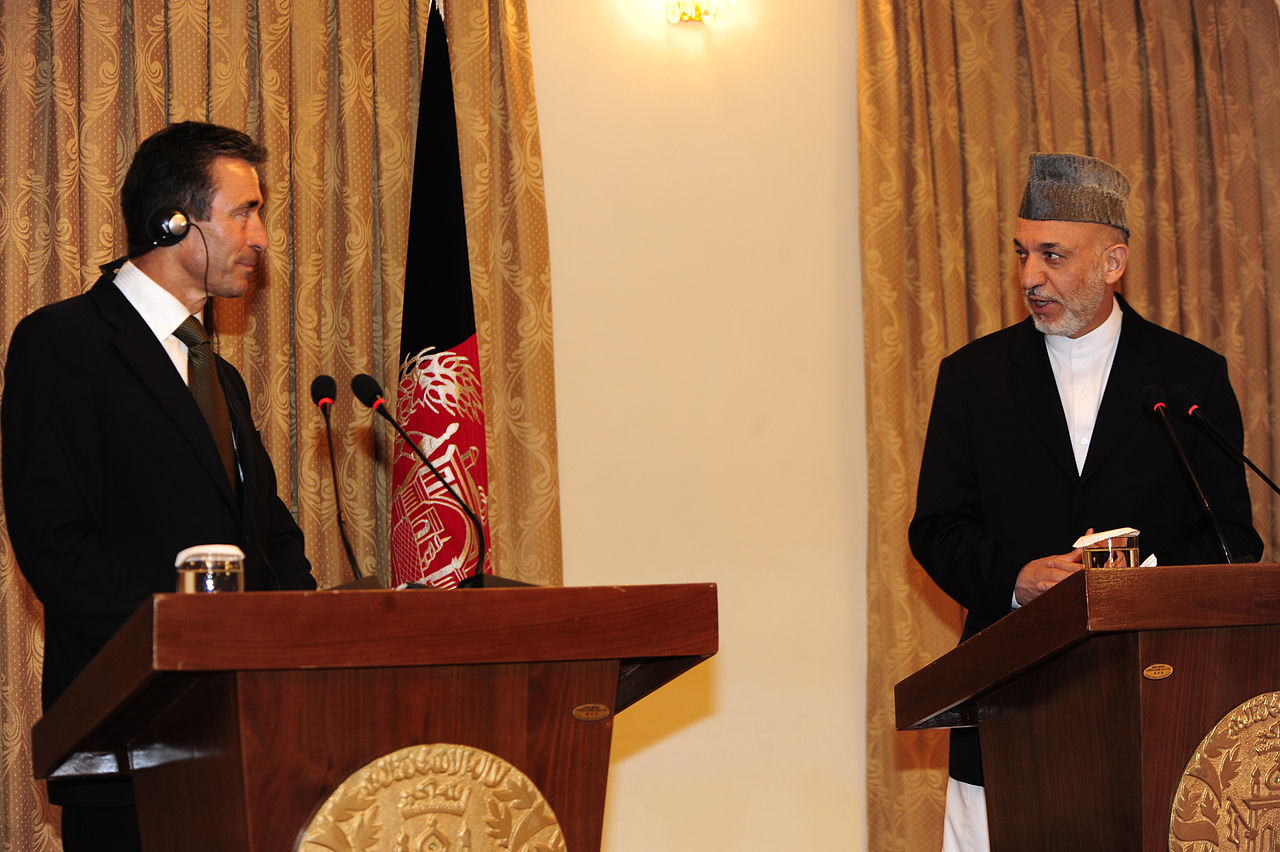


Early life and background
Karzai comes from a prominent family in southern Afghanistan. He is an ethnic Pashtun with roots in the city and province of Kandahar. In Afghan and Pashto contexts his name is written in the local script (Pashto). Karzai’s upbringing and family connections in the region shaped his political base and his reputation as a mediator between local leaders and international partners.
Education and exile
He received part of his schooling in Kabul and spent time studying in South Asia. Accounts place portions of his education in institutions in India. During the decades of conflict inside Afghanistan, Karzai lived for extended periods outside the country, including time in Pakistan, before returning to assume leadership after 2001.
Presidency: priorities and criticisms
Karzai’s presidency focused publicly on stabilizing the state, rebuilding infrastructure, establishing national institutions and negotiating with foreign governments and donors. His administration confronted endemic problems such as insecurity, insurgency, and weak governance. Achievements and initiatives often cited by supporters included efforts to expand education, restore basic services and secure international assistance for reconstruction.
- Security: managed relations with international military forces and attempted peace talks with insurgent groups.
- Governance: presided over the first post-Taliban constitution and national elections.
- Reconstruction: worked with donors on rebuilding institutions, though progress was uneven across regions.
At the same time, Karzai faced persistent criticisms for tolerating corruption, relying on patronage networks and not sufficiently curbing warlord influence. International partners and domestic critics frequently disagreed about the pace and quality of reforms during his tenure.
Languages, family and personal life
Karzai is widely reported to speak several languages, which helped him in diplomacy and domestic outreach: English, French, Persian (Dari), Urdu and his native Pashto. His extended family includes relatives living abroad, and he has been a visible figure in Afghan public life even after leaving office.
Legacy and notable facts
Hamid Karzai remains a consequential and contested figure in modern Afghan history. Supporters credit him with helping to reunify state institutions after years of civil war and preserve Afghan sovereignty amid heavy foreign presence. Critics argue that his government did not sufficiently dismantle patronage systems or prevent the resurgence of violence. His long role in national politics—spanning interim leadership, two elected terms and continued engagement after 2014—means assessments of his impact vary by perspective.
For further reading and primary documents about Karzai’s tenure, diplomatic relations and the political history of Afghanistan consult contemporary reports and archives maintained by governments and major research organizations. Country profiles, historical timelines and analyses provide context for his leadership and the broader transformations Afghanistan experienced in the early 21st century.
Related articles
Author
AlegsaOnline.com Hamid Karzai — Afghan politician and former president Leandro Alegsa
URL: https://en.alegsaonline.com/art/120241
Sources
- biography.com : "Hamid Karzai Biography"
- Hamid Karzai