
Gloria Vanderbilt: heiress, fashion designer, artist and author
Concise overview of Gloria Vanderbilt (1924–2019): Vanderbilt's life as a member of the Vanderbilt family, her role in designer jeans, fashion licensing, art, writing and public legacy.
Gloria Vanderbilt (February 20, 1924 – June 17, 2019) was an American artist, author, socialite and heiress whose public life spanned nearly a century. Born into the prominent Vanderbilt family, she became widely known both for an early, highly publicized childhood custody dispute and for building an independent public career as a designer, painter and writer. She was the mother of journalist Anderson Cooper.
Image gallery
5 Images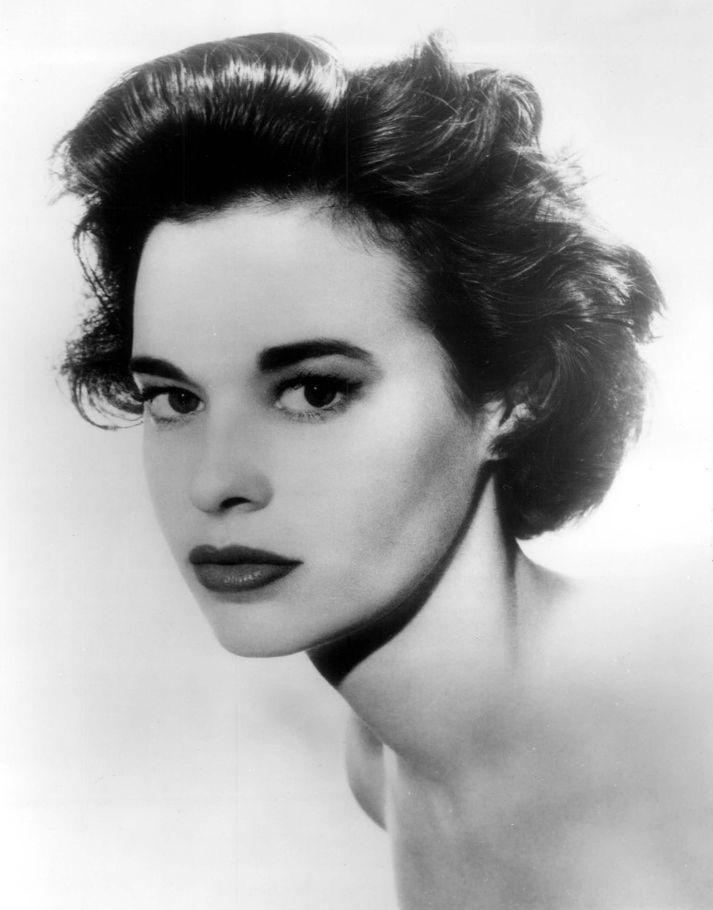


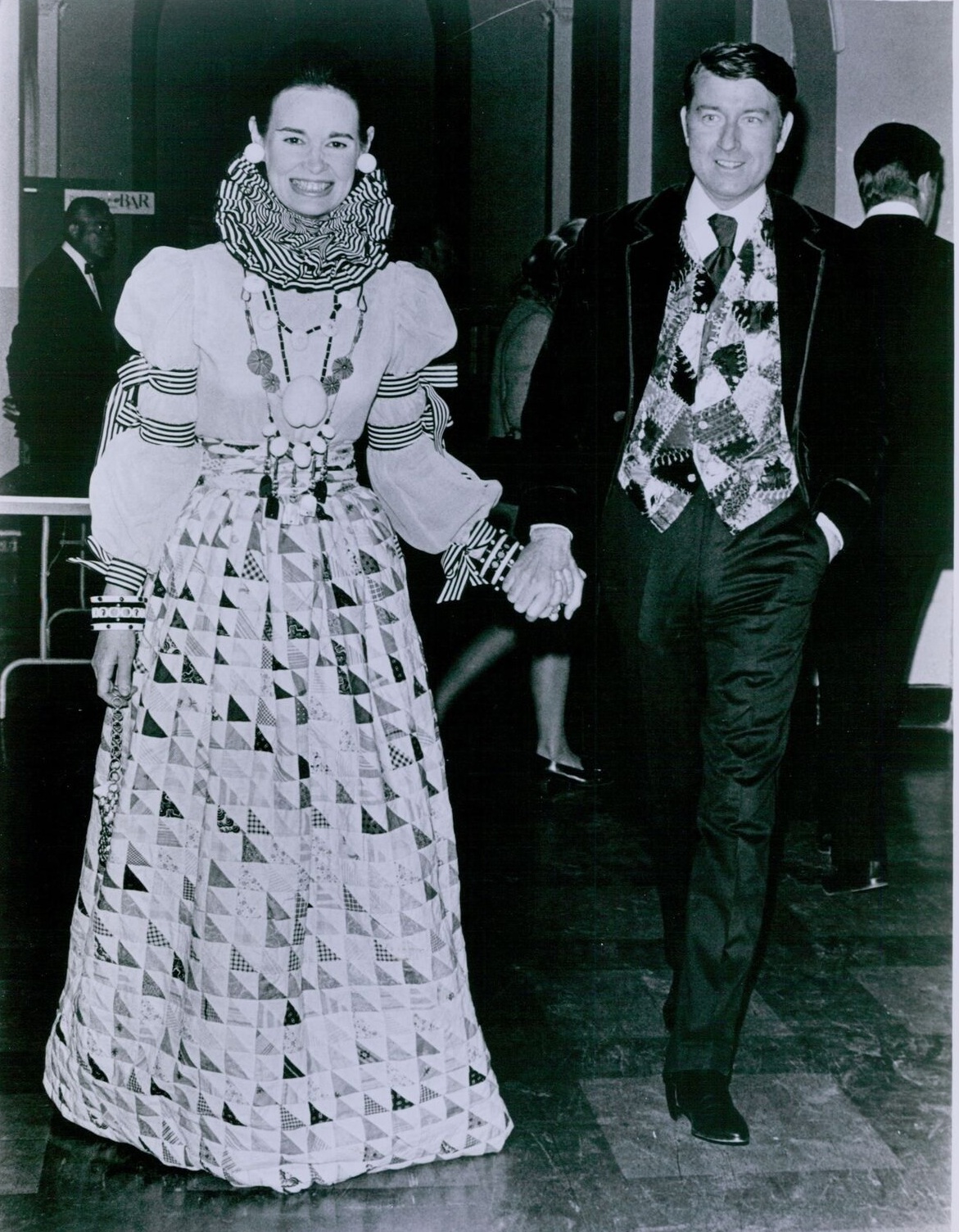

Early life and public attention
Vanderbilt was born in New York City and grew up in an environment shaped by wealth, art and public scrutiny. As a child she became the focus of intense media interest during a custody trial that attracted national attention; that episode influenced how she was perceived and how she later managed her public identity. The combination of family name and personal exposure helped set the stage for her later work in creative and commercial fields.
Family and personal life
Throughout her life Vanderbilt balanced private family roles with a public career. She was married several times and had children; the most publicly visible of her children is Anderson Cooper, who later became a well-known television journalist. Her relationships and family history frequently appeared in her memoirs and interviews, where she reflected candidly on wealth, loss and personal reinvention.
Fashion career and designer jeans
Beginning in the 1970s Vanderbilt turned her attention to fashion and to brand licensing. She is often credited as an early developer of the modern concept of the celebrity designer, particularly for popularizing a branded line of blue jeans that combined fashion styling with a designer name. Her approach—using a personal name and signature style as a licensed brand—became a model for later celebrity fashion lines. In addition to clothing, her name was used on accessories and a range of consumer products.
Fragrances and licensed products
Vanderbilt extended her brand into fragrances and other licensed goods. Several perfume lines and scent products carried her name, reflecting a broader pattern of celebrity and designer branding that marked late 20th century fashion commerce. These ventures helped make her a recognizable commercial presence beyond traditional high fashion circles.
Writing and visual art
Alongside commercial projects, Vanderbilt maintained a long interest in writing and the visual arts. She wrote novels and multiple memoirs—her literary work includes personal recollections that examine family, fame and identity—and she also produced paintings and other artworks. In 2016 she published a memoir written with her son titled The Rainbow Comes and Goes. Her first notable art exhibition, held in Vermont in 2001, marked a public emphasis on painting and gallery work later in life and demonstrated a parallel creative practice to her business activities.
Later years, death and legacy
Vanderbilt continued to work in art and literature into her later years while remaining a cultural figure whose career intersected with commerce, celebrity and creative practice. She attracted attention for the way she turned inherited social prominence into an active, branded career that spanned decades. Vanderbilt died at her Manhattan home on June 17, 2019, at age 95, following an illness attributed to stomach cancer. Her life is often cited as an example of how personal branding, artistic work and memoir can combine to produce a sustained public legacy.
- Notable roles: socialite, designer, artist, author (novels and memoirs).
- Commercial influence: early designer jeans and broad licensing of a personal name into fashion and consumer products.
- Fragrances: multiple licensed perfume lines and scent collaborations.
- Art and exhibitions: public shows including a notable Vermont exhibition in 2001 (Vermont exhibition).
- Family and public profile: heiress of the Vanderbilt family and mother of Anderson Cooper; her life story was widely covered in press accounts (family history and coverage).
Vanderbilt's career combined entrepreneurial use of a family name with sustained creative output. Her published writing, painting and licensed goods reflect a mid- to late-20th-century pattern in which personal biography and commercial enterprise became intertwined. For readers seeking more detail, her memoirs and interviews provide primary-source perspectives on a life lived at the intersection of private experience and public business interests.
Further reading and resources may be found through archival collections and published interviews that document her roles in fashion, the arts and publishing; select references and repositories continue to preserve materials related to her career and family.
Artist profile | Family history | Anderson Cooper | Vermont exhibition | Books and memoirs | Perfume lines | New York City | Cause of death
Related articles
Author
AlegsaOnline.com Gloria Vanderbilt: heiress, fashion designer, artist and author Leandro Alegsa
URL: https://en.alegsaonline.com/art/119934
Sources
- cnbc.com : "This 'poor little rich girl' grew up to be a fashion icon and mother to a 'foxy' media scion"
- nytimes.com : "At Home With Gloria Vanderbilt"
- cbsnews.com : "Excerpt: "The Rainbow Comes and Goes""
- nydailynews.com : "Gloria Vanderbilt, son Anderson Cooper release tell-all book"
- hollywoodreporter.com : "Gloria Vanderbilt, Heiress With a Knack for Reinvention, Dies at 95"