
Socialite (figure in high society)
A socialite is a person prominent in fashionable society who devotes time to social events, hosting and attending gatherings. This article covers definition, traits, history, modern role, and notable distinctions.
A socialite is a person who is well known within upper‑class or fashionable circles for participating in social events, hosting gatherings, and maintaining a public presence in society. Socialites often combine wealth, leisure, and social connections to occupy a visible role at charity balls, galas, private parties, and other high‑profile functions. The term is sometimes used neutrally to describe someone active in social life and sometimes critically to imply prominence based primarily on social standing rather than professional achievement.
Image gallery
10 Images
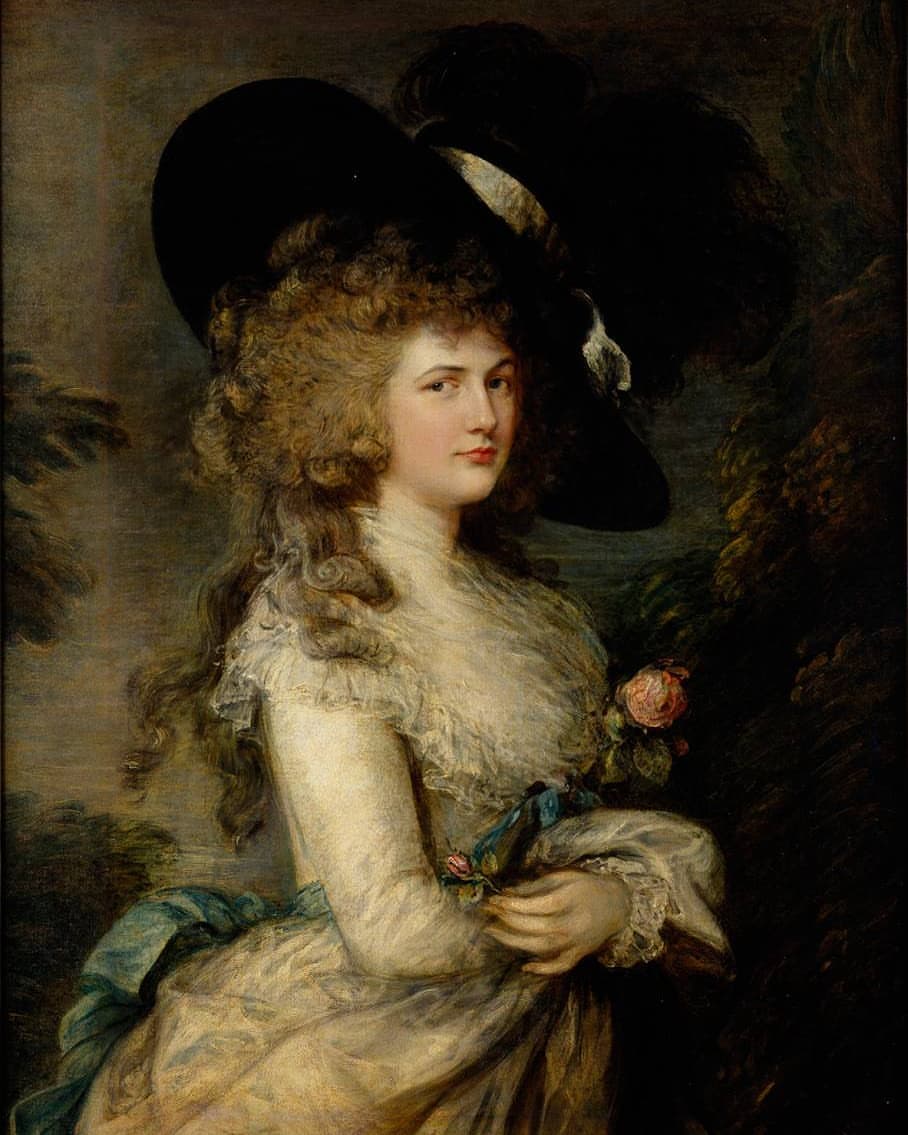




Characteristics and activities
Typical attributes and activities associated with socialites include:
- Frequent attendance at elite events, fundraisers, openings, and ceremonies.
- Hosting private dinners, garden parties, or larger gatherings that consolidate social networks.
- Fashion and presentation — maintaining an image through dress, etiquette, and public appearance.
- Philanthropic involvement, often serving as patrons or figureheads for charitable causes.
- Networking across business, arts, and politics, which can sustain influence without holding formal office.
Social life is typically reciprocal: socialites entertain others and are entertained in turn, forming circles where introductions and reputation carry weight. For more on event culture and social customs see event etiquette.
Historical development
The concept of a recognized social elite has existed in many societies. In the United States, private lists and directories once attempted to codify who belonged to high society. Compilations of prominent families and addresses were circulated in the 19th and early 20th centuries to guide invitations and societal recognition; one early publisher combined local lists into a commercial directory for affluent households. For background on social registers and lists of notable families consult historical directories and collections described at archival sources.
Modern role and media
In contemporary culture, the term often overlaps with celebrity. Some socialites are known primarily because of family connections or media coverage rather than through an independent professional accomplishment. This phenomenon—being "famous for being famous"—is fueled by press attention, social columns, and, more recently, social media platforms where visibility can be cultivated deliberately. Coverage of public appearances, fashion choices, and philanthropic activity regularly appears in society pages and lifestyle outlets; see commentary at society journalism and lifestyle media.
Notable distinctions and contemporary importance
Several points distinguish socialites from other public figures:
- Their prominence is often social and relational rather than occupational.
- They can serve as cultural tastemakers, influencing fashion, philanthropy, and trends.
- They may act as connectors between institutions, artists, and patrons.
Because public perception is central to their role, socialites can attract both admiration and criticism. For analysis of how media shapes social visibility, see media studies and contemporary discussion at commentary outlets.
Questions and answers
Q: What is a socialite?
A: A socialite is a wealthy person who participates in social activities and spends a lot of time entertaining and being entertained at upper-class events.
Q: What was the Social Register?
A: The Social Register was a list of names and addresses of people who were considered socially acceptable in socially important families in the 19th century.
Q: Who came up with the idea of combining the Social Registers and selling them?
A: Louis Keller had the idea of combining the Social Registers and selling them.
Q: Was Keller successful in selling the yearly volumes of the Social Register?
A: Yes, Keller had great success in his venture. By 1918, there were 18 yearly volumes that covered 26 cities.
Q: What does the term socialite encompass?
A: The term socialite includes many people who are "famous because they are famous". These people are not famous for anything they have done, but rather because of the family they belong to and/or how they are portrayed by the media.
Q: Are all socialites necessarily wealthy?
A: Generally, socialites are wealthy people who enjoy attending upper-class events and entertaining others. However, not all wealthy people are socialites, and vice versa.
Q: Is being listed in the Social Register still relevant today?
A: The Social Register is not as relevant today as it was in the past. However, there are still some families who value their inclusion in such registers as a status symbol.
Related articles
Author
AlegsaOnline.com Socialite (figure in high society) Leandro Alegsa
URL: https://en.alegsaonline.com/art/91468
Sources
- dictionary.reverso.net : "Socialite definition"
- socialregisteronline.com : "Social Registry History"