
Bloods (American street gang)
A decentralized street gang that originated in Los Angeles in the early 1970s, known for its rivalry with the Crips, use of red colors, varied local sets, and cultural as well as criminal associations.
The Bloods are a loosely connected network of street gangs that emerged in Los Angeles in the early 1970s. They are most widely known for their long-standing rivalry with the Crips and for adopting red clothing and bandanas as identifying colors. Public descriptions of the group typically emphasize that the Bloods are not a single, centrally run organization but rather a collection of independent neighborhood sets.
Image gallery
3 Images

Origins and early development
The formation of the Bloods is commonly traced to South Central Los Angeles. In the early phase of conflict between local gangs, a faction called the Pirus broke away and allied with several smaller groups to resist the growing influence of the Crips. Over time, these alliances gave rise to the name "Bloods" and to a wider network of affiliated sets in Los Angeles during the 1970s and 1980s.
Structure and identifying features
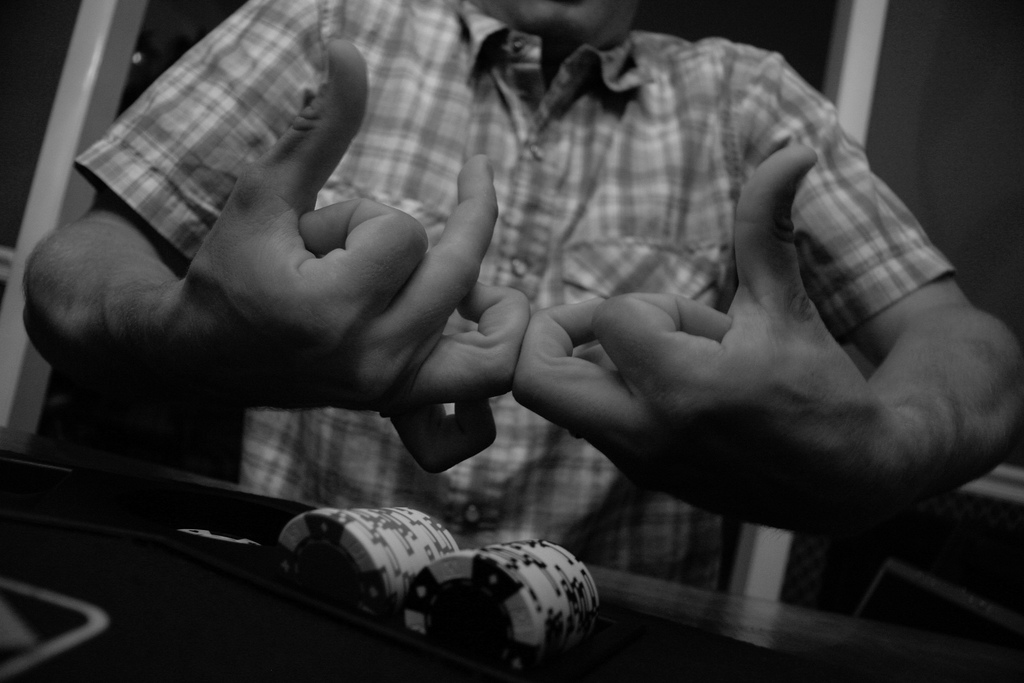
Rather than having a single leadership or uniform structure, the Bloods consist of many independent sets that vary by neighborhood. Members often use visible markers to identify affiliation, such as red bandanas or clothing, graffiti, distinct hand signs, and tattoos. These markers serve both internal and external purposes: communication within and signaling presence to rivals or the wider community.
Common activities and responses
Law enforcement and academic accounts associate some Bloods sets with criminal activities, including drug trafficking, robbery, and violent crime, particularly when gang rivalry escalates. At the same time, community organizations and prevention programs in many cities work to reduce recruitment and violence through outreach, education, and intervention initiatives. Responses to the gang phenomenon therefore include both law enforcement strategies and community-based prevention efforts.
Cultural significance and notable figures
The Bloods have had a visible influence on popular culture, especially through hip-hop, where references to sets, colors, and rivalries appear in lyrics and imagery. Some well-known public figures have been widely reported to have historical ties or associations with Bloods-affiliated neighborhoods, though such associations vary and can be complex. Media coverage and biographies sometimes cite individuals in music and entertainment in relation to these neighborhood ties.
Distinguishing facts and resources
Key points to remember: the Bloods are decentralized and diverse from place to place; "Bloods" refers to a range of local sets rather than a single chain of command; and impacts differ across communities. The group’s identity has both criminal and cultural dimensions, and efforts to address its effects combine policing, social services, and community programs.
- General overview: Background and descriptions
- Founding city context: Los Angeles origins
- State-level context: California reports
- Rival groups: Origins of the rivalry
- Noted cultural associations: Music and media links
- Profiles and biographies: Reported notable figures
Related articles
Author
AlegsaOnline.com Bloods (American street gang) Leandro Alegsa
URL: https://en.alegsaonline.com/art/12274