
Boko Haram: origins, ideology, insurgency and regional impact
Overview of Boko Haram, its beliefs, history, tactics, regional expansion and humanitarian consequences, including factional splits and international responses.
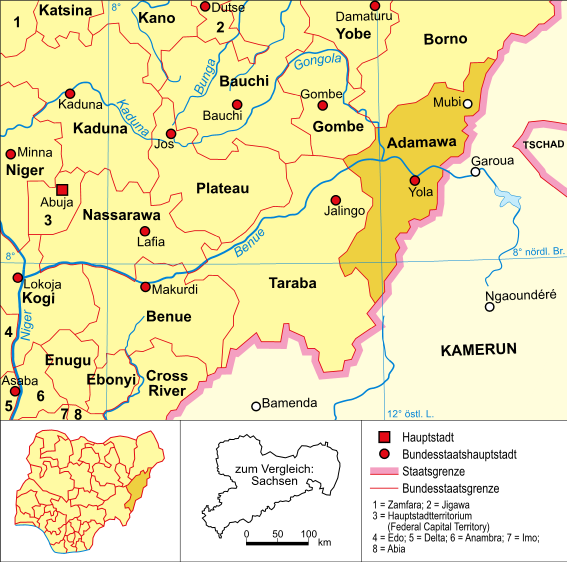
Overview: Boko Haram is the common name given to an Islamist militant movement that emerged in northeastern Nigeria in the early 2000s. Its Arabic title is Jama'atu Ahlis Sunna Lidda'awati wal-Jihad, usually translated as "People Committed to the Propagation of the Prophet's Teachings and Jihad." The Hausa nickname often rendered "Boko Haram" conveys opposition to Western-style education and influences. The group is best known for an armed insurgency that began around 2009, centered in Borno State and later spreading into neighbouring countries.
Image gallery
10 Images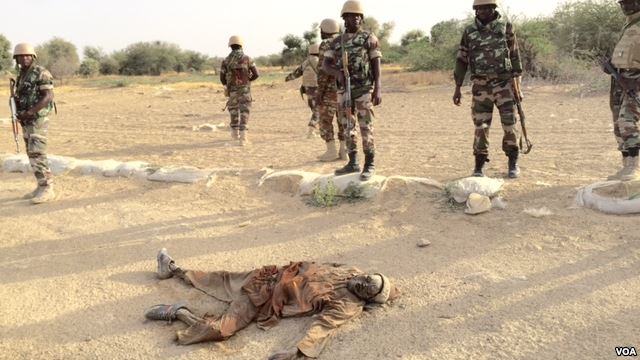





Beliefs and characteristics
Boko Haram adheres to an extreme interpretation of Sunni Islam and rejects many elements of secular governance and Western cultural influence. Its leaders have condemned formal, secular education and many modern cultural practices, and the organisation has sought to impose its interpretation of Islamic law where it controls territory. Over time it became associated with violent tactics and ideological rhetoric similar to other militant Islamist groups, drawing attention from regional and international authorities.
History and development
The movement began as a religious community and preaching network in Maiduguri in the early 2000s. Tensions with Nigerian authorities and clashes with security forces escalated into an open insurgency in 2009. Leadership changes followed significant confrontations with state forces; subsequent leaders presided over a period of intensified brutality and broader attacks across northeastern Nigeria. In 2014 the group gained global attention after the abduction of hundreds of schoolgirls from Chibok, which sparked an international campaign and widespread condemnation.
Tactics, crimes and human impact
Boko Haram has employed suicide bombings, arson, mass abductions, raids on towns and villages, and attacks on both civilian and military targets. Major violent episodes include large-scale assaults on towns, high-profile kidnappings, and repeated bombings of marketplaces and places of worship. These actions have caused widespread death and injury, forced millions from their homes, and triggered a severe humanitarian crisis in the Lake Chad basin and surrounding areas. Civilians have suffered looting, forced conscription, sexual violence, and the loss of livelihoods.
Organisation, splits and regional expansion
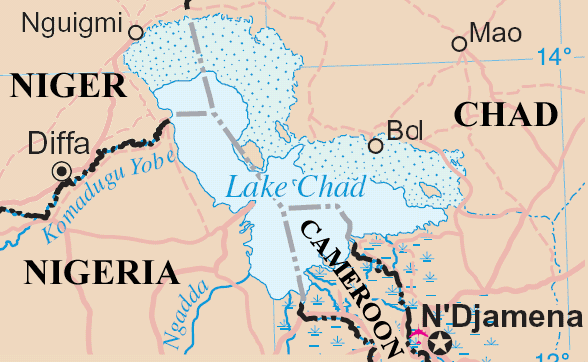
From the mid-2010s the group evolved further: a faction announced loyalty to the Islamic State and its West Africa offshoot appeared, while other elements remained independent, producing competing leadership claims and periodic internal conflict. Boko Haram's activities extended beyond Nigeria into Cameroon, Chad and Niger, affecting regional security and prompting multinational military responses. Local and multinational forces have carried out operations to reclaim territory and disrupt the group's logistics, yet the security situation has remained fluid with periodic resurgences.
Responses and consequences: Governments and international bodies have designated the movement as a terrorist organisation, and humanitarian agencies describe long-term recovery and reconciliation needs across affected communities. The insurgency has disrupted education, food production and public services; rebuilding requires attention to security, justice for victims, and restoration of livelihoods. The group's trajectory has underscored challenges in addressing violent extremism amid economic marginalisation and weak state presence.
Notable distinctions and current outlook: Boko Haram is distinct from non-Islamist militant groups active in Nigeria, such as those focused on oil-region grievances. Over time the organisation has fractured, with different factions pursuing divergent tactics and alliances; as a result their capability and territorial control have fluctuated. The evolving conflict remains a regional security concern and a humanitarian priority.
Further reading and references
- Affiliation and external claims
- Meaning of the name—part 1
- Meaning of the name—part 2
- Name interpretation and local usage
- Regional focus: Borno State
- Goal to impose Islamic law
- Comparisons with other movements
- International context
- Official Arabic name and translation
- Terminology: "jihad" in the group's name
- Origins in Maiduguri
- Start of the armed insurgency
- Religious orientation
- Local languages and naming
- Opposition to Western science and culture
- Early interviews and public statements
- Claims on cosmology and doctrine
- Attitudes toward evolutionary theory
- Statements on natural phenomena
- Common tactics: kidnapping
- Arson and destruction of property
- Looting and economic impact
- Attacks on civilians
- Attacks on security forces
- Incidents in Abuja and major urban centres
- Distinction from Niger Delta militancy
- Context: Niger Delta conflicts
- Chibok abductions and global response
- Cross-border activity: Cameroon
- Cross-border activity: Chad
- Cross-border activity: Niger
Questions and answers
Q: What does Boko Haram mean?
A: Boko Haram is a term derived from the Hausa language meaning "Western education is forbidden". It refers to an extremist branch of the Islamic State of Iraq and the Levant (ISIL) that opposes Western education, culture, science, and voting in elections.
Q: Where is Boko Haram based?
A: Boko Haram is centred in Borno State in northeastern Nigeria.
Q: What does Jama'atu Ahlis Sunna Lidda'awati wal-Jihad mean?
A: Jama'atu Ahlis Sunna Lidda'awati wal-Jihad translates to "People Committed to the Propagation of the Prophet's Teachings and Jihad" which is the official name of the group.
Q: When did Boko Haram begin its insurgency?
A: The insurgency began in 2009.
Q: What kind of activities has Boko Haram been responsible for?
A: Boko Haram has carried out bombings, kidnappings, shootings, arson and looting as well as other terrorist activities such as storming prisons and attacking military targets. They have killed thousands of people in Africa.
Q: Is there any connection between Boko Haram and Movement for the Emancipation of the Niger Delta (MEND)?
A: No, there is no connection between these two groups since MEND fights against oil industry exploitation while Boko Haram focuses on opposing western education and culture.
Q: When did it become part of Islamic State?
A: In March 2015, it became part of Islamic State.
Related articles
Author
AlegsaOnline.com Boko Haram: origins, ideology, insurgency and regional impact Leandro Alegsa
URL: https://en.alegsaonline.com/art/12750
Sources
- thenationonlineng.net : thenationonlineng.net/2011/index.php/news/21270-boko-haram-is-battle-for-2015-says-chukwu…
- allafrica.com : "allAfrica.com: Nigeria: We Are Responsible for Borno Killings, Says Boko Haram"
- bbc.co.uk : "Nigeria policemen in court trial for Boko Haram killing"
- bbc.co.uk : "Who are Nigeria's Boko Haram Islamists?"
- news.bbc.co.uk : "Nigeria's 'Taliban' enigma"
- maguzawa.dyndns.ws : "On-line Bargery Hausa-English Dictionary"
- news.bbc.co.uk : "Africa"
- buzznigeria.com : "Boko Haram In Nigeria – A Timeline of Terror"
- bbc.com : "What really happened in Baga attack"