
George II of Great Britain
King of Great Britain and Ireland (1727–1760), Elector of Hanover, and last British monarch born outside Great Britain; his reign shaped early Georgian politics and foreign policy.
Overview
George II (George Augustus; 10 November 1683 – 25 October 1760) was the monarch of the kingdoms of Great Britain and Ireland from 1727 until his death. As head of state he is commonly described as a British king whose long reign continued the Hanoverian succession and the development of the modern cabinet system.
Image gallery
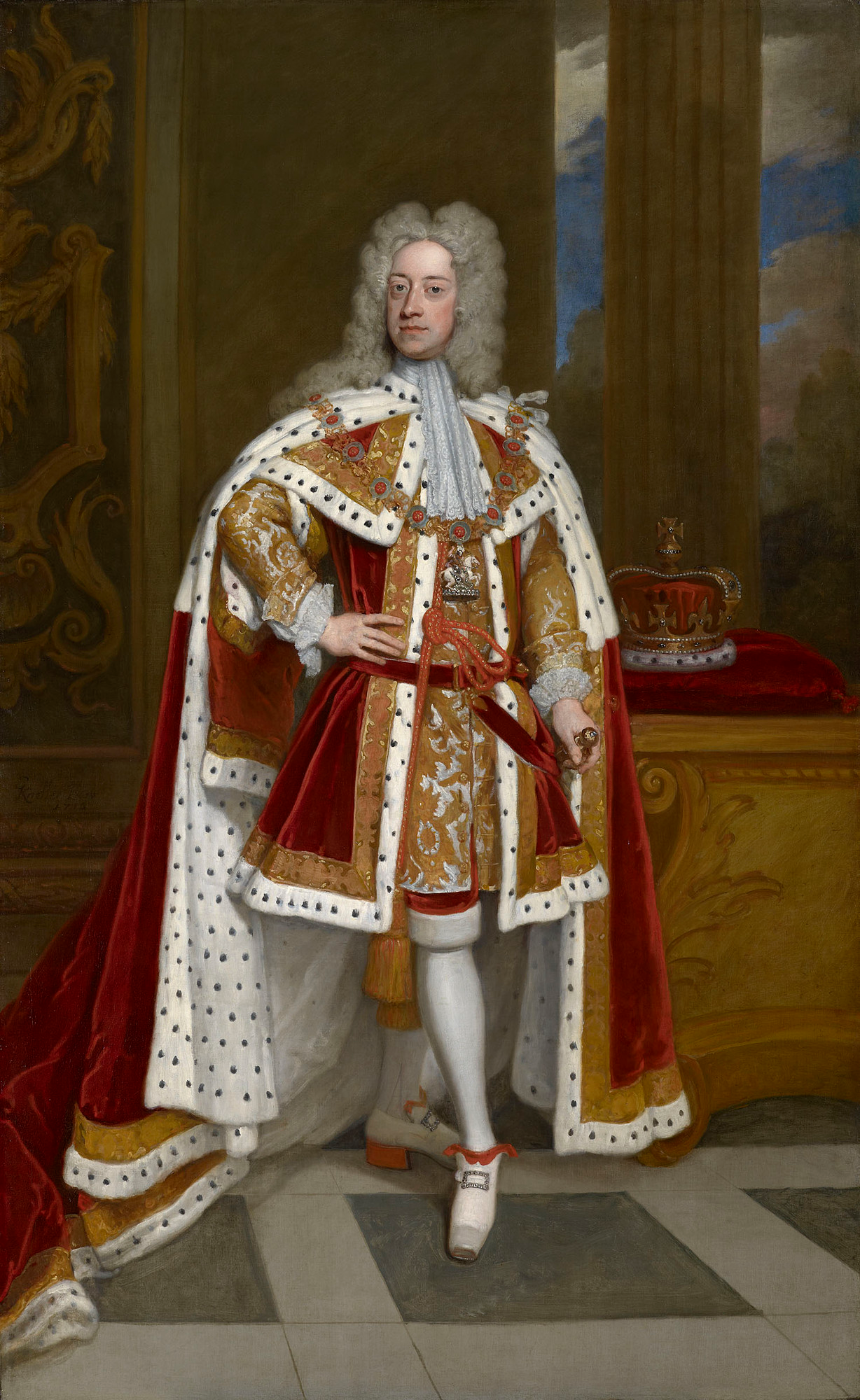
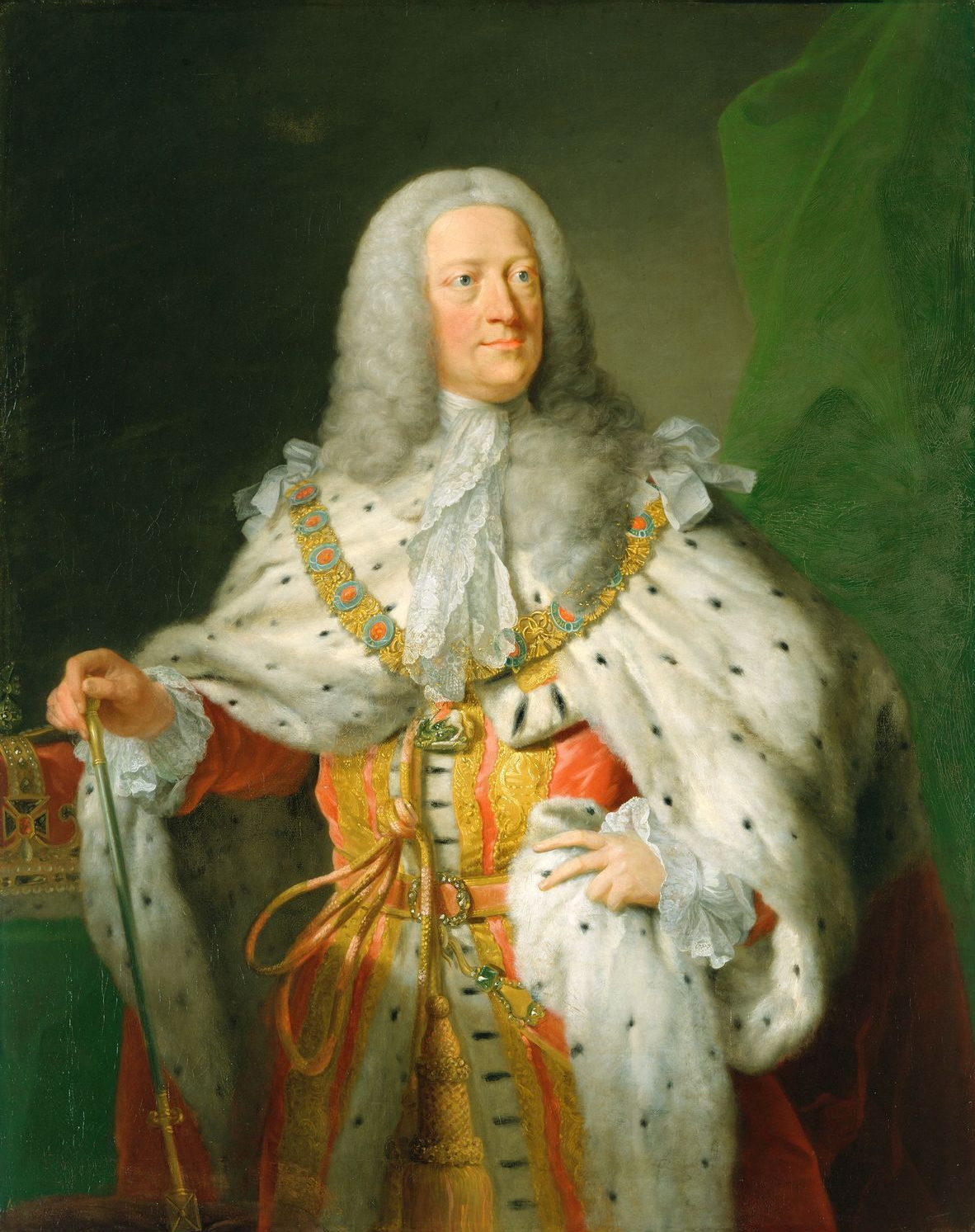
10 Images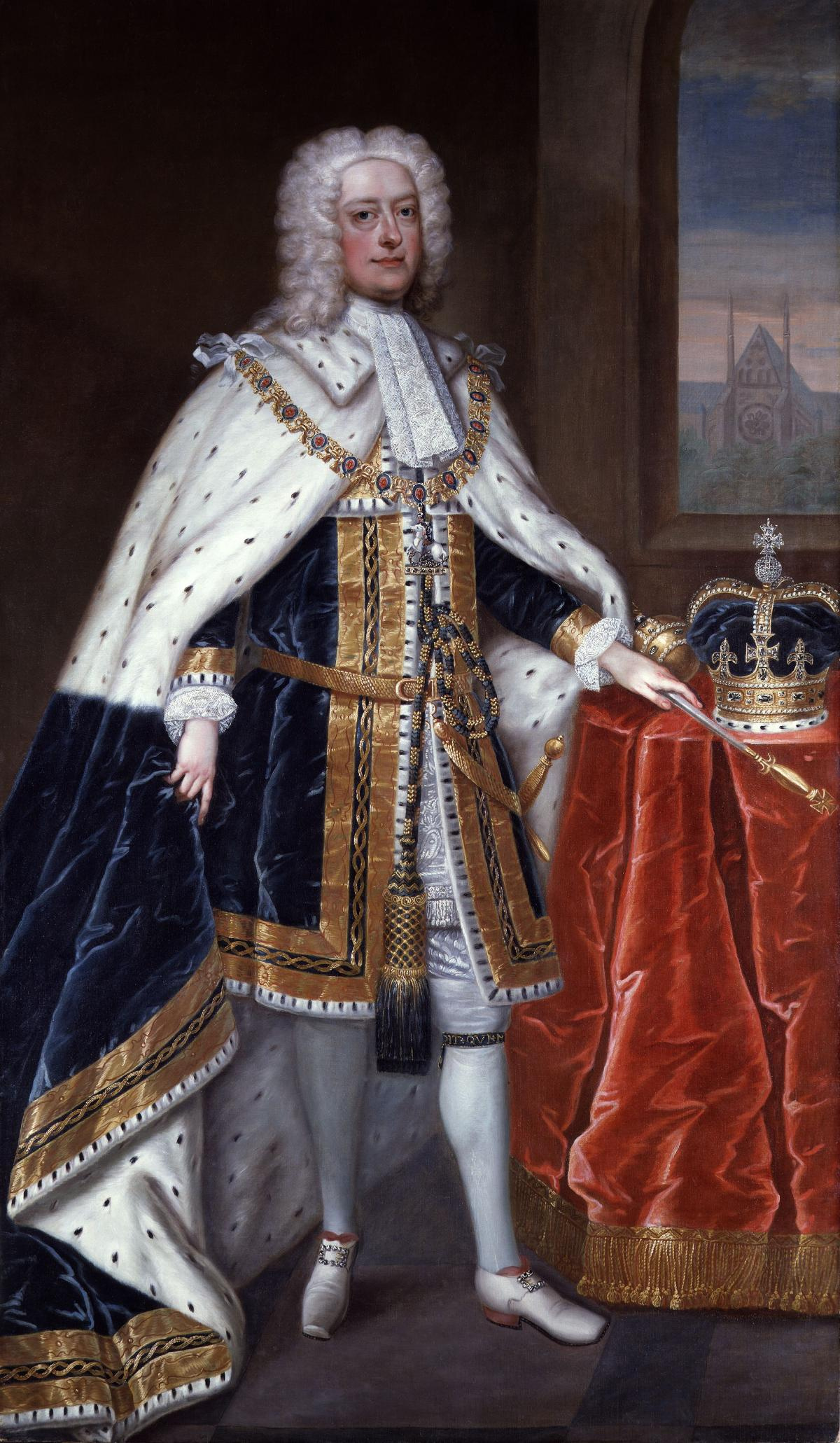




Origins and early life
Born in the German principality of Hanover, George was a member of the House of Hanover. His father had been Elector of Hanover, and George himself retained the continental title of Elector of Hanover while serving as king in Britain. These dual roles shaped much of his foreign policy and personal loyalties during his reign.
Reign and government
George II's reign oversaw the maturing of parliamentary government in Britain. Power increasingly rested with ministers and the cabinet rather than the monarch personally. The period included major conflicts such as the War of the Austrian Succession and its related campaigns; George is also noted as the last British sovereign to lead troops in battle, a distinction tied to the Great Britain he ruled.
Family and succession
George married Caroline of Ansbach and had several children. His eldest son, Frederick, Prince of Wales, predeceased him, so the throne passed to Frederick’s son, who became George III. George II is often identified as the last British monarch born outside Great Britain, a fact that underlined the dynasty's German origins and occasional political tension.
Death and legacy
He died on 25 October 1760 at the age of 76. Contemporary accounts report that he collapsed while attending a private need; historians generally treat the event as a sudden cardiac or vascular episode, often described in sources as related to heart problems. His passing closed a long chapter of Hanoverian rule that had profound effects on Britain's political institutions and international alignments.
Notable facts
- Long reign that saw the rise of ministerial government and party politics.
- Maintained the personal union of the British crown with the Electorate of Hanover.
- Remembered for patronage of the arts and for being a figure around whom 18th-century court and parliamentary rivalries revolved.
Related articles
Author
AlegsaOnline.com George II of Great Britain Leandro Alegsa
URL: https://en.alegsaonline.com/art/119604