
Frederick, Prince of Wales (1707–1751)
Heir apparent who predeceased his father George II; known for political estrangement from his parents, a prominent court and patronage, and as the father of King George III.
Overview
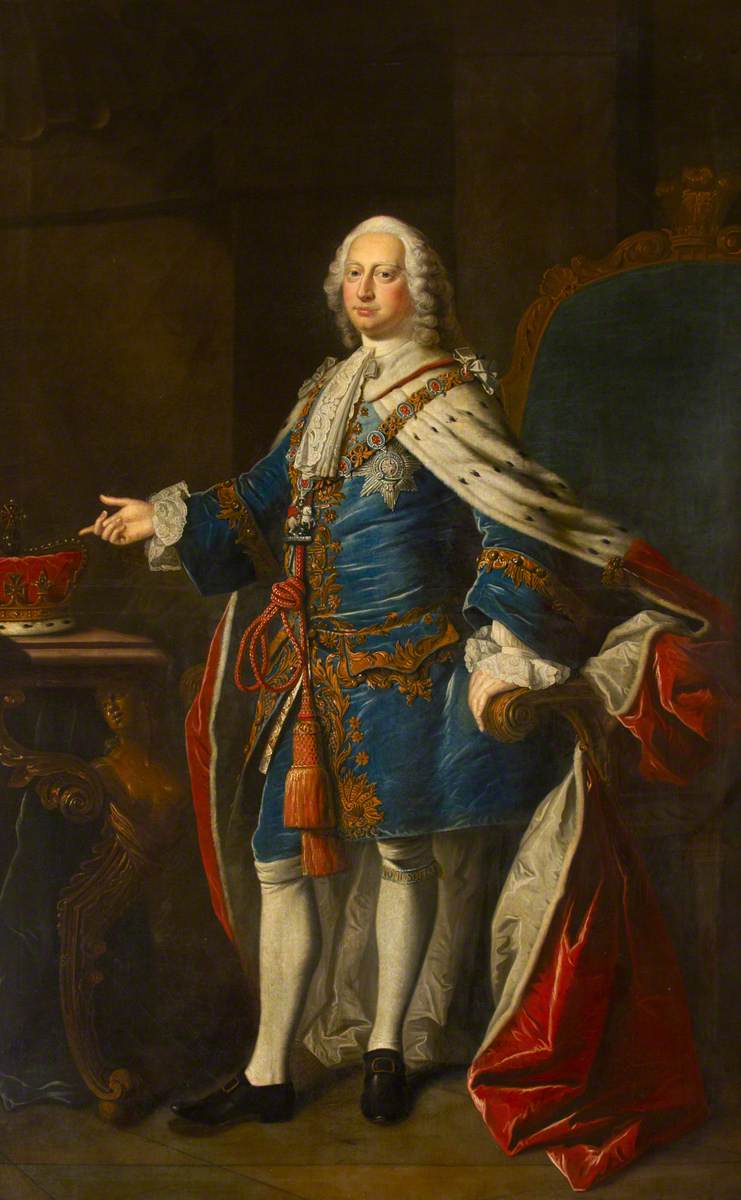
Frederick, Prince of Wales (1 February 1707 – 31 March 1751), was the eldest son of King George II and his wife, Queen Caroline of Ansbach. As heir apparent he never acceded to the throne, because he died before his father. His place in the succession passed to his eldest surviving son, who became King George III.
Image gallery
10 Images


Family background and early life
Born into the Hanoverian dynasty, Frederick spent his childhood divided between court life and formal education typical for a prince of the period. Relations with his parents were strained for much of his adult life; public rows and private disagreements with his father contributed to an unusually visible family estrangement for a royal household of the era.
Public role and politics
Although he never ruled, Frederick maintained an independent political profile. As Prince of Wales he gathered courtiers, politicians and artists around a rival household that often opposed the policies of his father and of leading ministers. His circle provided an alternative focus for opposition and court culture during the mid-eighteenth century.
Personal life, household and patronage
In 1736 he married Augusta of Saxe-Gotha and the couple raised a large family; their children included the future King George III. Frederick established an energetic princely household, known for its entertainments and patronage. He supported musicians, painters and architects and cultivated a distinct public image from that of George II.
Death and legacy
Frederick died in 1751 from complications of a lung-related condition; contemporary accounts variously describe it as the result of illness following an injury or an acute pulmonary disease, and some details remain uncertain. His premature death reshaped the line of succession and had lasting effects on court politics and the upbringing of his children.
Notable facts
- He served as a focal point for political opposition to his father's ministers and sought to build independent influence.
- Though never king, his taste and patronage influenced mid-Georgian culture and the appearance of the royal household.
- His marriage into German princely houses strengthened dynastic ties common to European royalty.
- Contemporary descriptions note his often contentious relationship with his parents and the public character of their disputes; accounts of his final illness sometimes refer to a lung injury or chest affliction.
Related articles
Author
AlegsaOnline.com Frederick, Prince of Wales (1707–1751) Leandro Alegsa
URL: https://en.alegsaonline.com/art/36429