
George Jones (1931–2013) — American country music singer
George Jones was a seminal American country singer known for his expressive voice, decades of hit records, personal struggles, marriage to Tammy Wynette, and lasting influence on country music.
Overview
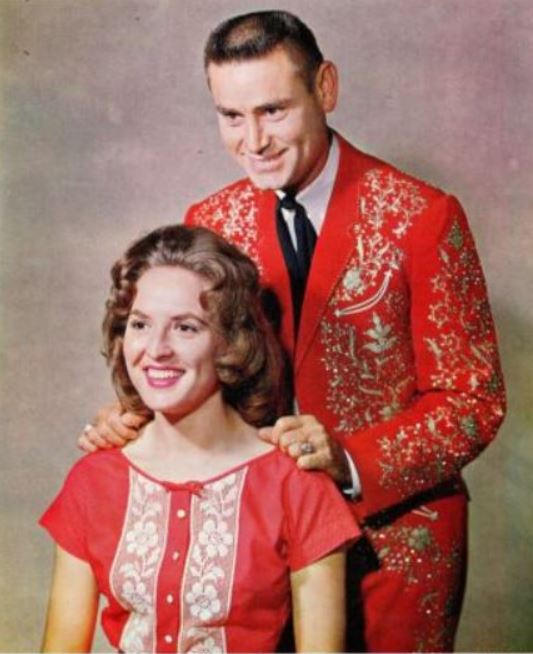
George Glenn Jones (September 12, 1931 – April 26, 2013) was an influential American country music singer and songwriter. Over a career that spanned more than half a century, he became famous for a plaintive, emotionally charged vocal delivery and a flexible phrasing that many critics and fellow artists cite as among the most expressive in country music history. He remained a central figure in the genre through a long string of popular recordings, live performances, and collaborations.
Image gallery
6 Images


Early life and background
Jones was born in Saratoga, Texas, and raised in nearby Vidor, Texas. He began performing locally as a teenager, drawing on gospel and early country traditions. Those formative years shaped his musical sensibility: a blend of honky-tonk storytelling, emotional intensity, and precise control of vocal nuance. His upbringing in East Texas also placed him within the broader Southern musical culture that produced many mid-20th-century country stars.
Career and musical style
Jones recorded numerous singles and albums across several labels and charted many successful songs. His style is often described as a seamless combination of classic honky-tonk grit and a crooning, almost operatic sense of lament. He was admired for subtle timing, the ability to bend syllables and notes for dramatic effect, and for delivering lyrics with a believable sense of feeling. Among his best-known recordings is the ballad widely regarded as one of the greatest country singles, which showcased his gift for conveying heartbreak and resignation.
Personal life and struggles
Jones's personal life was highly visible and sometimes turbulent. He was married several times, including a high-profile marriage to fellow country star Tammy Wynette. His marriages included Dorothy Bonvillion (1950–?), Shirley Ann Corley (1954–1968), Wynette (1969–1975), and Nancy Sepulvado (married 1983 until his death). He had four children. Like many performers of his era, Jones struggled with alcoholism and substance abuse at points in his life, issues that affected tours and recordings before he sought treatment and worked toward recovery.
Legacy, honors, and influence
Jones's reputation among peers and historians rests on both his recordings and his influence on later singers. His expressive phrasing and emotional realism shaped the performances of numerous artists across country and popular music. He was inducted into prominent institutions recognizing country music achievement and received awards that acknowledged his contribution to the genre. Critics often point to his ability to make simple phrases convey complex feeling as a defining legacy.
Notable recordings and recognition
- Signature songs and memorable recordings that defined his career and are staples of country radio and anthologies.
- Industry honors and hall of fame inductions recognizing lifetime achievement and influence.
- A long touring career that kept him connected with audiences through live shows in places such as Nashville, Tennessee and beyond.
George Jones died on April 26, 2013. His voice and recordings continue to be studied by musicians and appreciated by listeners who value the emotional truth and technical skill that he brought to country music.
Related articles
Author
AlegsaOnline.com George Jones (1931–2013) — American country music singer Leandro Alegsa
URL: https://en.alegsaonline.com/art/119608
Sources
- nytimes.com : "George Jones, Admired and Copied Country Singer, Dies at 81"
- cmt.com : "George Jones : Biography"
- allmusic.com : "Biography"
- bbc.co.uk : "George Jones, American country singer, dies aged 81"