
Black pudding: origins, ingredients, regional varieties and culinary uses
Black pudding is a traditional blood sausage made from mammalian blood, fat and cereal or filler. This article outlines ingredients, preparation, regional names, culinary uses, and safety considerations.
Black pudding is a type of blood sausage commonly associated with the British Isles but found in many cuisines worldwide. Made by cooking animal blood with fat and a starchy filler until the mixture will set on cooling, it is sliced and eaten after further cooking. Black pudding is valued for its rich, savory flavor and for using parts of the animal that might otherwise be discarded. For a basic overview, see Black pudding overview.
Image gallery
7 Images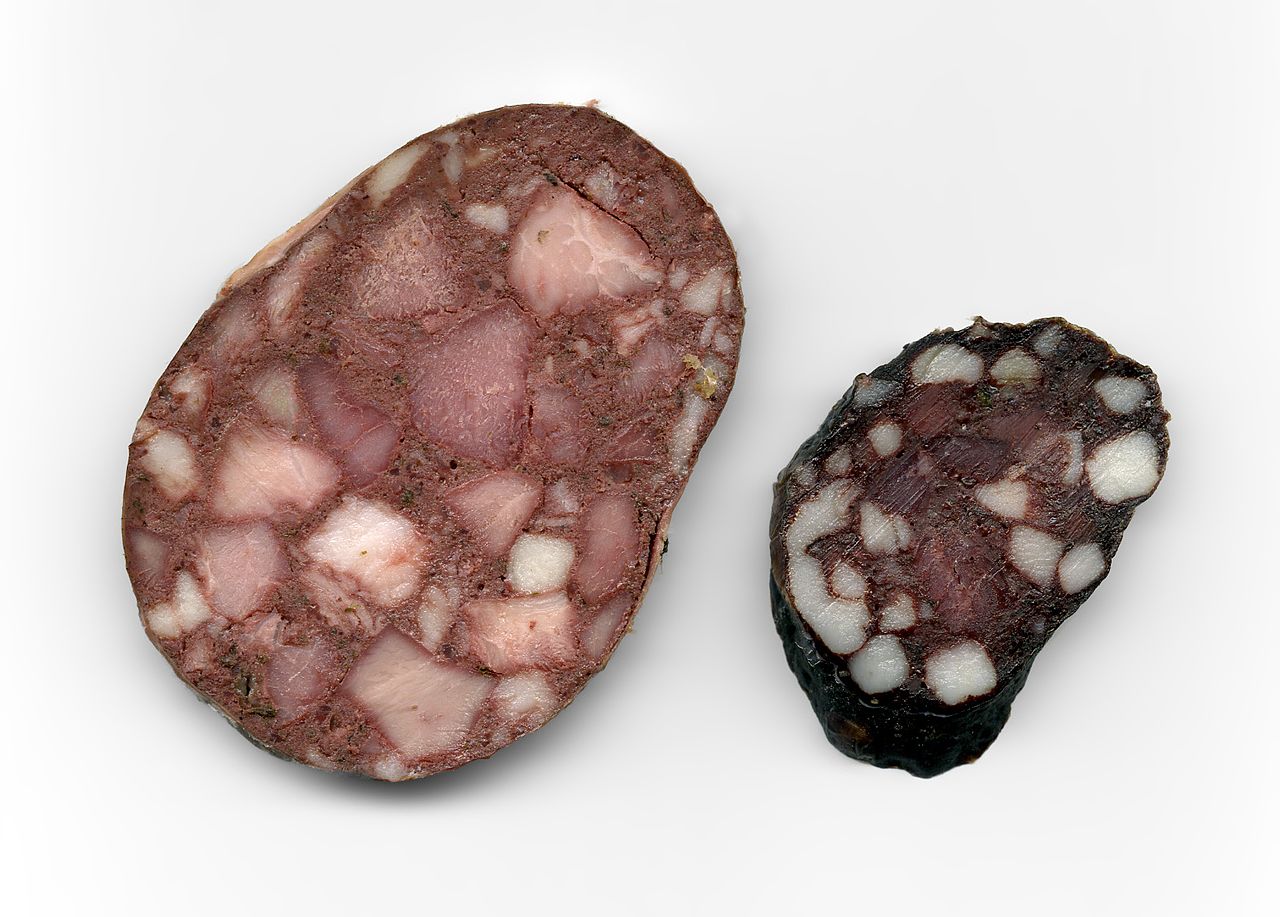


Ingredients and basic preparation
The core ingredient is mammal blood (traditionally pig's blood), combined with a source of fat, and a binder such as oats, barley, or breadcrumbs. Seasonings commonly include salt, pepper and spices or herbs to taste. The blended mixture is filled into a natural or synthetic casing and cooked gently until firm. Typical home and commercial methods aim to pasteurize the product, and recipes vary by region. For practical notes on cooking and recipes consult preparation guides.
Regional varieties and names
- United Kingdom and Ireland: sold as black pudding; popular in breakfasts and as a snack.
- Spain: known as morcilla, often seasoned with paprika or rice.
- France: called boudin noir and typically finer textured.
- Central Europe: varieties such as blutwurst include different spices and fillers.
Regional recipes and names reflect local grains, seasonings and culinary traditions; further reading is available at regional varieties.
Culinary uses and cultural importance
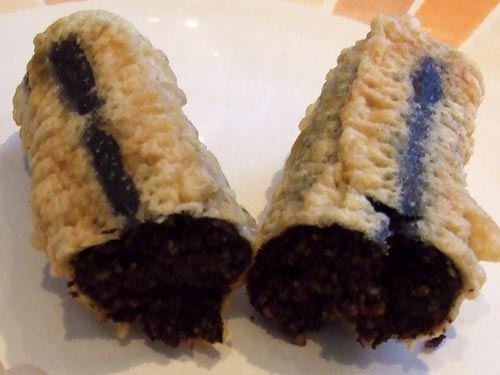
Black pudding is served hot or cold: pan-fried slices are common in breakfasts, crumbled into stews, or incorporated into starters. It is a traditional element of certain full breakfasts and festive dishes, and appears in street foods and gourmet plates. Its persistence in many cuisines highlights a tradition of whole-animal cooking and thrift. Examples and recipes can be explored via recipe collections.
Nutrition, safety and modern adaptations
As a blood-based product, black pudding is a source of protein, iron and other minerals, but can also be high in fat and salt depending on the recipe. Proper cooking and sourcing reduce food-safety risks; commercially produced products are typically made under regulated conditions. Modern adaptations include leaner or vegan 'black pudding' alternatives that mimic texture and flavor without blood. For health guidance and sourcing information see safety and nutrition.
Related articles
Author
AlegsaOnline.com Black pudding: origins, ingredients, regional varieties and culinary uses Leandro Alegsa
URL: https://en.alegsaonline.com/art/11959