
George Eastman — inventor, entrepreneur, and founder of Eastman Kodak
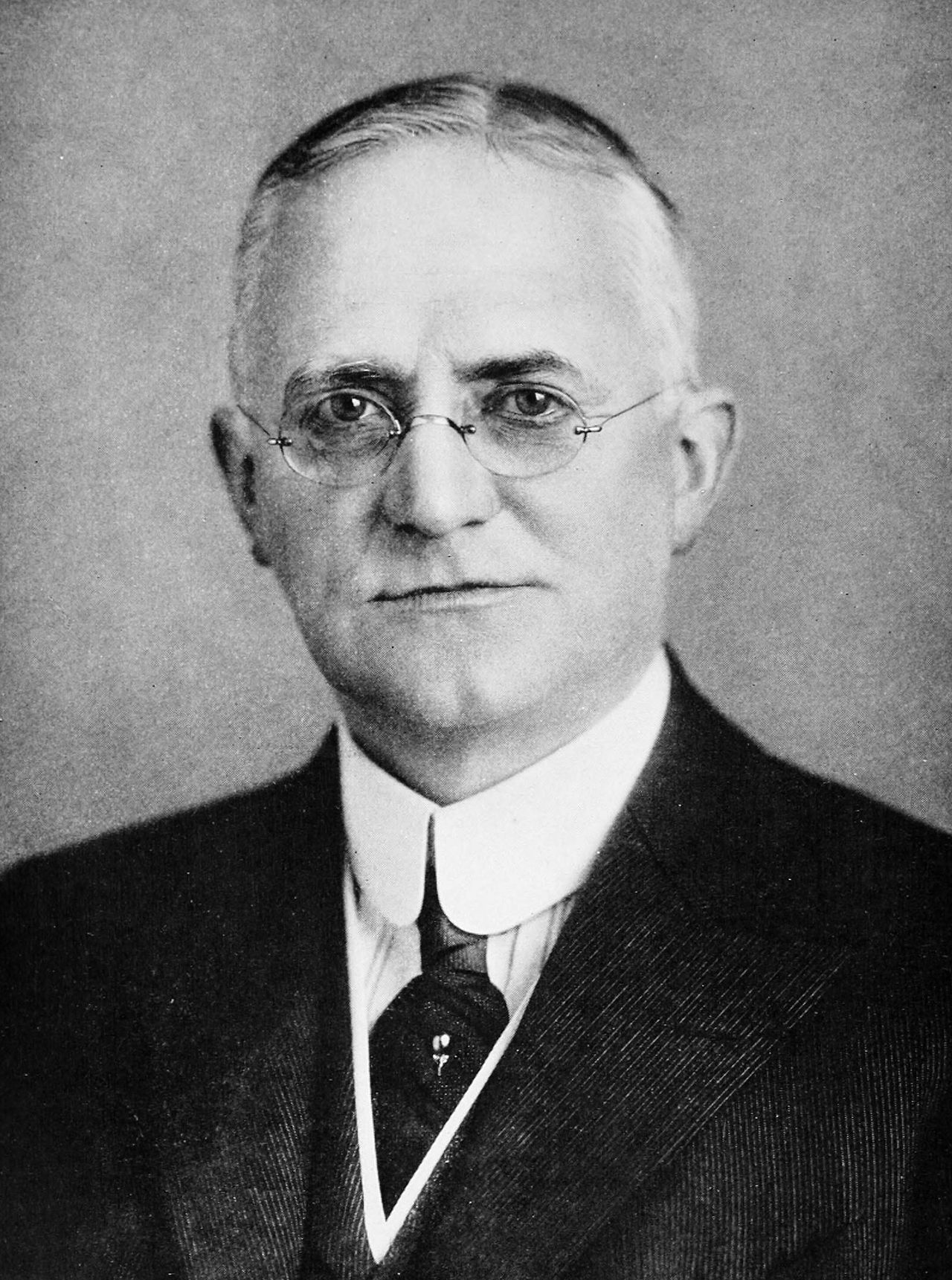
George Eastman (1854–1932) was an American inventor and businessman who popularized photography through roll film and founded the Eastman Kodak Company; he also supported education and the arts.
Overview
George Eastman (July 12, 1854 – March 14, 1932) was an American inventor, entrepreneur and businessman whose innovations made photography widely accessible. Born in Waterville, New York, he developed photographic products and business practices that shifted photography from a technical pursuit for specialists to a popular pastime and commercial medium.
Image gallery
10 Images



Innovations and products
Eastman is best known for developing flexible roll film and for introducing easy-to-use cameras that required little technical knowledge to operate. By simplifying both the film format and the camera experience, he helped transform photography into an activity for ordinary people. His company marketed cameras together with finishing services, famously emphasizing convenience and simplicity.
Eastman Kodak and business approach
He founded the company that became known as the Eastman Kodak Company, building a vertically integrated business that manufactured film, cameras and photographic supplies and that processed images for customers. Eastman emphasized mass production, customer service, and broad distribution; these practices influenced other firms in photography and related industries.
Philanthropy and legacy
Beyond industry, Eastman supported education, medical research and the arts. He provided significant gifts to institutions such as schools of music and universities, helping to create enduring cultural and educational programs. His name also remains associated with photographic science and cultural initiatives that continued after his lifetime.
Death and later reflections
In 1932 Eastman died in Rochester, New York. His passing was by suicide, an event that drew public attention to his personal circumstances late in life. He left charitable bequests and a complex legacy as both an industrial innovator and a public benefactor.
Notable facts
- Eastman’s roll film paved the way for motion-picture film and influenced early cinema manufacturing.
- The business model he developed—selling a simple consumer device supported by consumables and processing services—became common in many industries.
- Institutions supported by Eastman continue to carry his name and reflect his interest in education and the arts.
Related articles
Author
AlegsaOnline.com George Eastman — inventor, entrepreneur, and founder of Eastman Kodak Leandro Alegsa
URL: https://en.alegsaonline.com/art/119580
Sources
- lib.rochester.edu : University of Rochester