
Kodak (Eastman Kodak Company): history, innovations and legacy
Profile of Eastman Kodak Company — its founding, major photographic innovations, evolution into a diversified imaging firm, challenges in the digital era, and lasting cultural and technological influence.

Overview
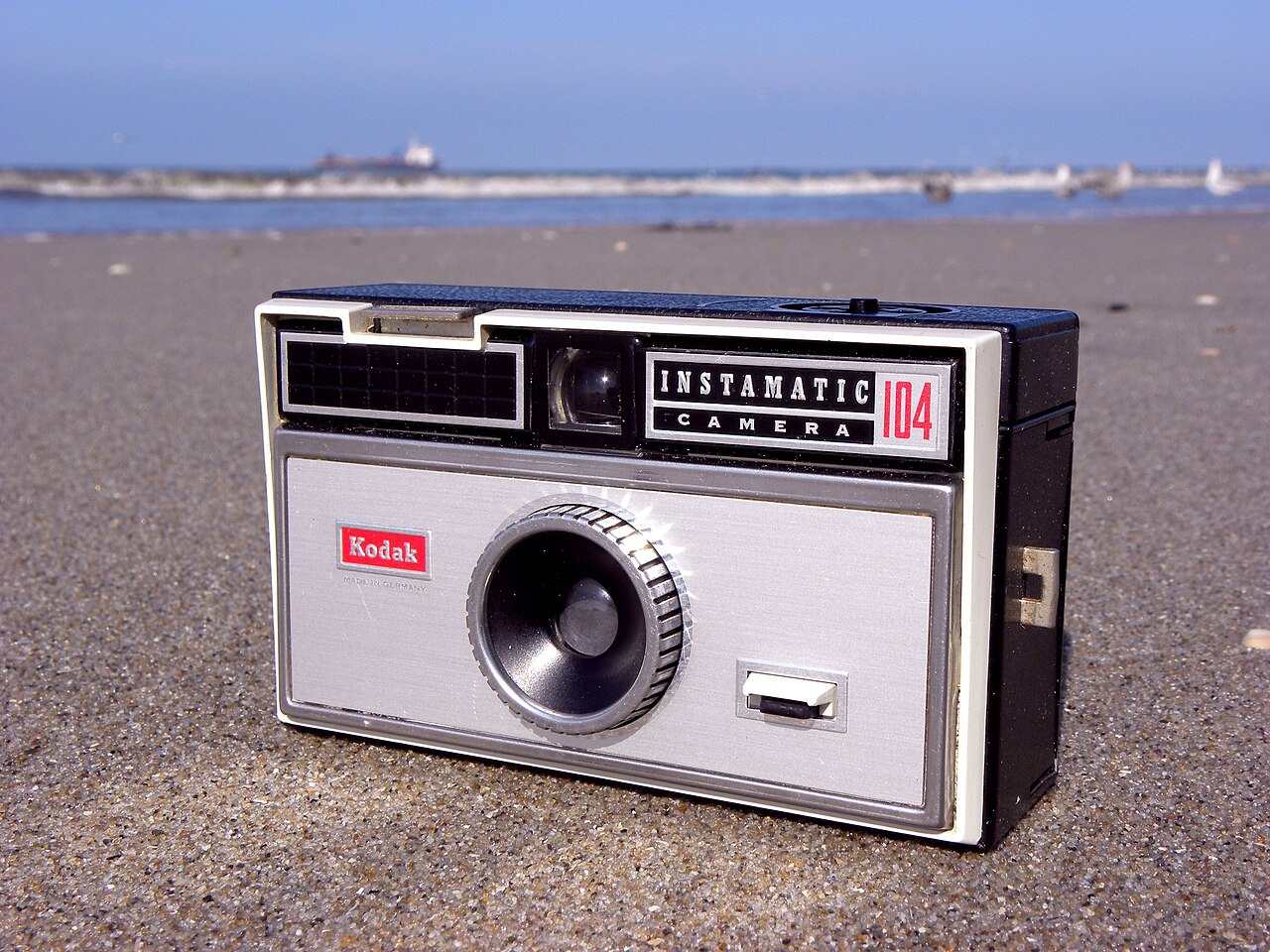
Eastman Kodak Company, commonly called Kodak, is an American company that helped popularize photography for consumers and professionals. Founded in Rochester, New York, by George Eastman and Henry A. Strong in 1881, Kodak introduced consumer-friendly products and processes that helped turn photography from a specialist craft into an everyday activity. The company's original name evolved as its product range expanded, and in 1888 it shipped the first handheld camera marketed simply as the "Kodak," which used a roll of film that Kodak had begun producing a few years earlier.
Image gallery
10 Images





Key characteristics and product areas
Kodak's business historically covered several linked areas: manufacturing photographic film and paper; producing cameras and photographic equipment; operating processing labs and retail services; and supplying motion-picture film. Over decades it developed chemical processes and manufacturing techniques for black-and-white, color, and motion-picture film. In the later twentieth century Kodak broadened into digital imaging technologies, printers, and commercial printing systems while maintaining its film and photographic chemistry operations.
Major innovations and influence
Kodak is best known for a series of innovations that reshaped photography. These include the commercialization of roll film, easy-to-use consumer cameras that lowered technical barriers, and the development of color process films that enabled long-lasting color photographs. Kodak's advances supplied both still photography and cinema, helping to standardize materials and workflows used worldwide. The brand achieved high recognition, and the idea of a "Kodak moment" entered everyday language as shorthand for a memorable photograph.
History and development
Starting as a maker of dry plates, the company became a corporation in the 1880s and rapidly expanded its manufacturing and distribution. Throughout the twentieth century Kodak grew into a vertically integrated firm with research laboratories, mass production plants, and retail outlets. It pioneered film emulsion chemistry and built an ecosystem that included camera design, film processing services, and consumer marketing. In the late twentieth and early twenty-first centuries Kodak invested in digital imaging but struggled to convert its core film-based business fast enough as cameras shifted from chemical film to electronic sensors.
Challenges, restructuring and legacy
The transition to digital photography proved disruptive. Kodak faced competitive pressure from new electronics firms and changes in consumer behavior centered on digital devices. The company filed for reorganization in bankruptcy in 2012 and restructured its operations, moving toward commercial printing, professional services, licensing, and specialized materials while scaling back consumer-film activities. Despite these challenges, Kodak's technical contributions and early role in making photography accessible are widely recognized. Historical Kodak products, processes, and archives remain important to museums, historians, and film preservationists.
Notable facts and distinctions
- Kodak began in Rochester, New York, which remained the company's long-term headquarters and a center for its research and manufacturing.
- The firm's early marketing emphasized simplicity and accessibility, a strategy that expanded the photography market beyond specialists.
- Kodak's research labs generated many patents and technical advances in photographic chemistry and imaging systems.
- The company had major businesses in both consumer photography and professional motion-picture film, linking it to cinema history and visual culture.
Further information
- George Eastman and company origins
- Kodak headquarters history
- Rochester and Kodak's local impact
- Early dry plate technology
- Corporate evolution and name changes
- The first Kodak camera
- Development of roll film
- Kodak's role in popular photography
- Research and technological innovations
- Kodak's later restructuring and business focus
Related articles
Author
AlegsaOnline.com Kodak (Eastman Kodak Company): history, innovations and legacy Leandro Alegsa
URL: https://en.alegsaonline.com/art/54081
Sources
- kodak.com : "1878-1929"
- forbes.com : "How Success Killed Eastman Kodak"
- latimes.com : "Polaroid Wins $909 Million From Kodak : Photography: The firms have been involved in a patent-infringement suit for years. Analysts had expected the award to be much larger"
- dealbook.nytimes.com : "Eastman Kodak Files for Bankruptcy"
- nbcnews.com : "A new Kodak moment: Emerging from bankruptcy"