
Frederick Augustus Conrad Muhlenberg (1750–1801)
American Lutheran minister and politician; first Speaker of the U.S. House of Representatives, Pennsylvania delegate, cleric and community leader. Remembered for public service and a debunked language myth.
Overview
Frederick Augustus Conrad Muhlenberg was an American clergyman and public official born in Trappe, Pennsylvania, in 1750 and who died in 1801. Trained as a pastor, he combined religious leadership with civic service and is best known for his early role in the United States Congress as the chamber's first presiding officer. He is associated with both pastoral work and national politics, reflecting the close ties between local community institutions and emerging federal government in the late 18th century.
Image gallery
2 Images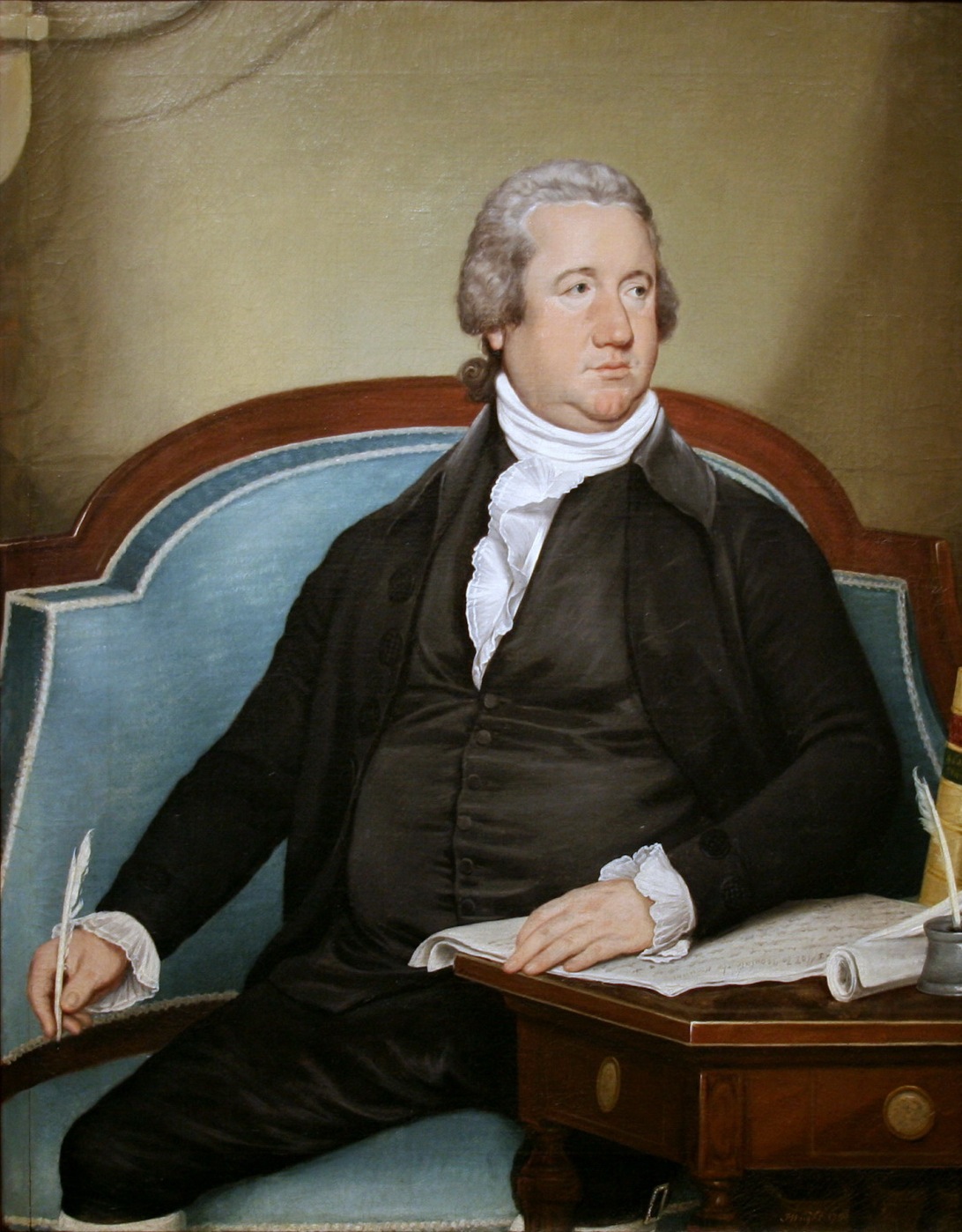

Early life and ministry
Muhlenberg came from a prominent Pennsylvania family of German descent and prepared for the ministry in the Lutheran tradition. Ordained as a minister and identified as a Lutheran pastor, he served congregations in the region and maintained a public presence beyond the pulpit. His bilingual background and ties to German-speaking communities shaped his pastoral work and civic reputation.
Political career and offices
Active as a statesman, Muhlenberg was a delegate to Pennsylvania's constitutional convention and served in the national legislature. Elected to the new federal chamber, he became the first Speaker of the United States House of Representatives, presiding over the First Congress and later returning to leadership duties in the early 1790s. As Speaker he helped establish procedures and precedents for the office of the Speaker and the functioning of the U.S. House. His career illustrates how early American leaders often balanced local, state, and national responsibilities.
Roles and responsibilities
- Pastoral duties in Pennsylvania congregations and pastoral leadership.
- Delegate to state constitutional processes and participant in state politics.
- Member of the First Congress and presiding officer who helped set legislative customs.
Language myth and historical clarity
A persistent legend claims Muhlenberg prevented German from becoming an official language of the United States. Historians have shown this story to be inaccurate or greatly exaggerated: Congress did not enact a law declaring a single official language at that time, and the anecdote about a deciding vote by Muhlenberg misrepresents how language issues were handled. The myth persists partly because Muhlenberg's German heritage and public role make the tale memorable.
Legacy
Muhlenberg's legacy rests on dual service — as a religious leader and an early architect of legislative practice. He left an imprint on Pennsylvania civic life and on the early Congress through precedents and institutional development. Remembered in local histories and within the narrative of America’s founding generation, his life exemplifies the combined civic and religious leadership common in the republic's formative decades.
For further reading on his life and era see contemporary biographies and collections of early congressional records (bibliographic and archival resources are available through historical institutions and specialized studies).
Minister reference | Political biography | Speaker history | House records | Lutheran tradition | German-American history | Language policy
Related articles
Author
AlegsaOnline.com Frederick Augustus Conrad Muhlenberg (1750–1801) Leandro Alegsa
URL: https://en.alegsaonline.com/art/119227
Sources
- phmc.state.pa.us : "PHMC Frederick A. C. Muhlenberg (1750-1801)"
- spiegel.de : Bastian Sick: German as the official language of the USA?
- ulib.iupui.edu : Willi Paul Adams: The German Americans. Chapter 7: German or English