
Frederick Terman — Stanford Engineer and Architect of Silicon Valley
American electrical engineer and Stanford administrator who promoted industry–university partnerships, mentored technology entrepreneurs, and helped shape the region known as Silicon Valley.
Overview
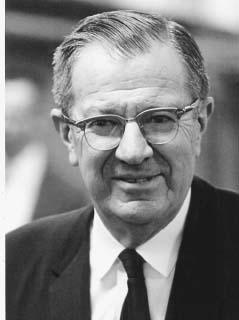
Frederick Emmons Terman (June 7, 1900 – December 19, 1982) was an American electrical engineer and academic leader at Stanford University. As a professor, dean of engineering and later provost, he promoted practical research, stronger ties between universities and industry, and the creation of local high‑technology firms. He is often credited with helping to create the ecosystem now called Silicon Valley. For biographical details see a Stanford biography.
Image gallery
2 Images
Academic work and teaching
Terman trained as an electrical engineer and became known for his teaching and writing in radio and electronic engineering. He advised a generation of students and encouraged graduates to apply research to practical devices and businesses. His emphasis on hands‑on projects and industry collaborations influenced engineering education at Stanford and beyond.
Leadership and regional development
In administrative roles Terman reoriented Stanford toward applied research and entrepreneurship. He helped establish university‑linked facilities and commercial research space that made it easier for startups and corporate labs to form near the campus. He supported early local entrepreneurs and is associated with the recruiting or welcome extended to technology leaders—including firms and researchers—that accelerated the region's growth into a technology center. The development of this local technology cluster is part of the broader history of Silicon Valley.
Contributions and legacy
- Promoted collaboration between academic research and industry.
- Mentored students who became founders and inventors.
- Encouraged creation of research parks and local industrial partnerships.
- Left a lasting influence on technology commercialization and regional innovation policy.
Terman's combination of scholarship, institutional leadership, and active encouragement of entrepreneurship earned him recognition as a central figure in the emergence of an innovation ecosystem around Stanford. His approaches to university‑industry interaction continue to inform policy and academic practice in technology regions worldwide.
Related articles
Author
AlegsaOnline.com Frederick Terman — Stanford Engineer and Architect of Silicon Valley Leandro Alegsa
URL: https://en.alegsaonline.com/art/119232
Sources
- paloaltohistory.com : Palo Alto History Project