
Frederick William III of Prussia
King of Prussia from 1797 to 1840 whose reign spanned the Napoleonic Wars, major administrative and military reforms, and the conservative restoration of the German states.
Overview
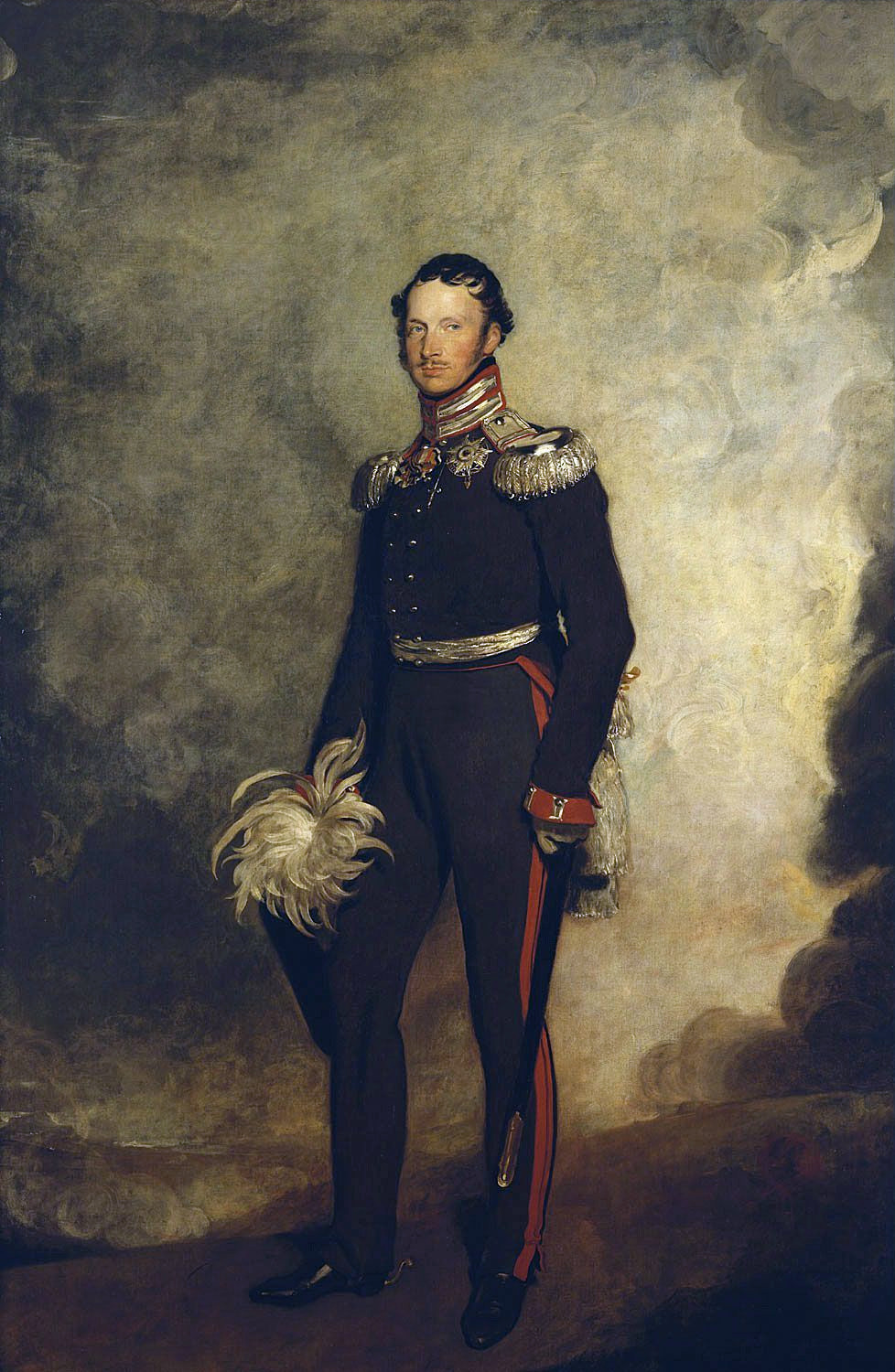
Frederick William III (German: Friedrich Wilhelm III) reigned as King of Prussia from 1797 until his death in 1840. Born in 1770 into the House of Hohenzollern, he inherited a kingdom facing revolutionary upheaval in Europe and the rising challenge of Napoleon. His long reign covered military defeat, foreign occupation, reconstruction and a cautious program of internal reform.
Image gallery
7 Images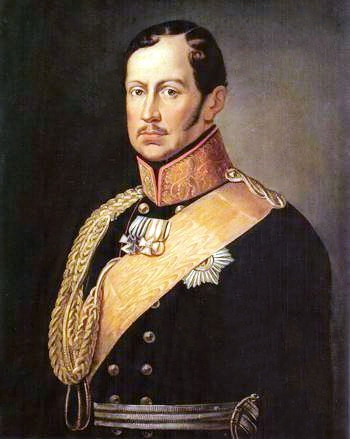



Wars and foreign affairs
Early in his reign Prussia suffered a decisive defeat by Napoleon at Jena and Auerstedt (1806), followed by occupation and harsh peace terms. The royal family, and in particular Queen Louise, became symbols of national resistance after the humiliations of 1806–1807. After initial reluctance Prussia joined the coalition against Napoleon and participated in the campaigns that led to his final defeat. The kingdom then took part in the diplomatic settlement that followed, which reshaped German politics.
Reforms and modernization
Defeat prompted major changes in Prussia. Under ministers and reformers who worked with the crown, the state enacted measures to modernize institutions and the military. Important themes included:
- Abolition or mitigation of feudal restrictions and reforms of municipal government;
- Military reorganization, promotion of merit, and new training and staff systems;
- Educational renewal, exemplified by support for university and schooling reforms aimed at creating a professional civil service.
Domestic policy and character
Frederick William III was personally conservative and pietistic; he preferred the authority of monarchy and church and resisted rapid political liberalization. At the same time his reign oversaw important administrative modernization that strengthened state structures. He relied heavily on ministers and military leaders to implement change, and his style blended reluctant reform with a persistent commitment to dynastic rule.
Legacy
The king's legacy is mixed: he presided over both the humiliation and recovery of Prussia, fostering reforms that helped transform the state into a modern bureaucracy and army while remaining cautious about constitutional limits on royal power. He died in 1840 and was succeeded by his son Frederick William IV; another son, William, later became King of Prussia and Emperor William I of the German Empire. Historians view his reign as a turning point between old-regime monarchy and the 19th-century national and institutional changes in German lands.
Related articles
Author
AlegsaOnline.com Frederick William III of Prussia Leandro Alegsa
URL: https://en.alegsaonline.com/art/119234