
Frederick Sanger: Biochemist and Pioneer of Protein and DNA Sequencing
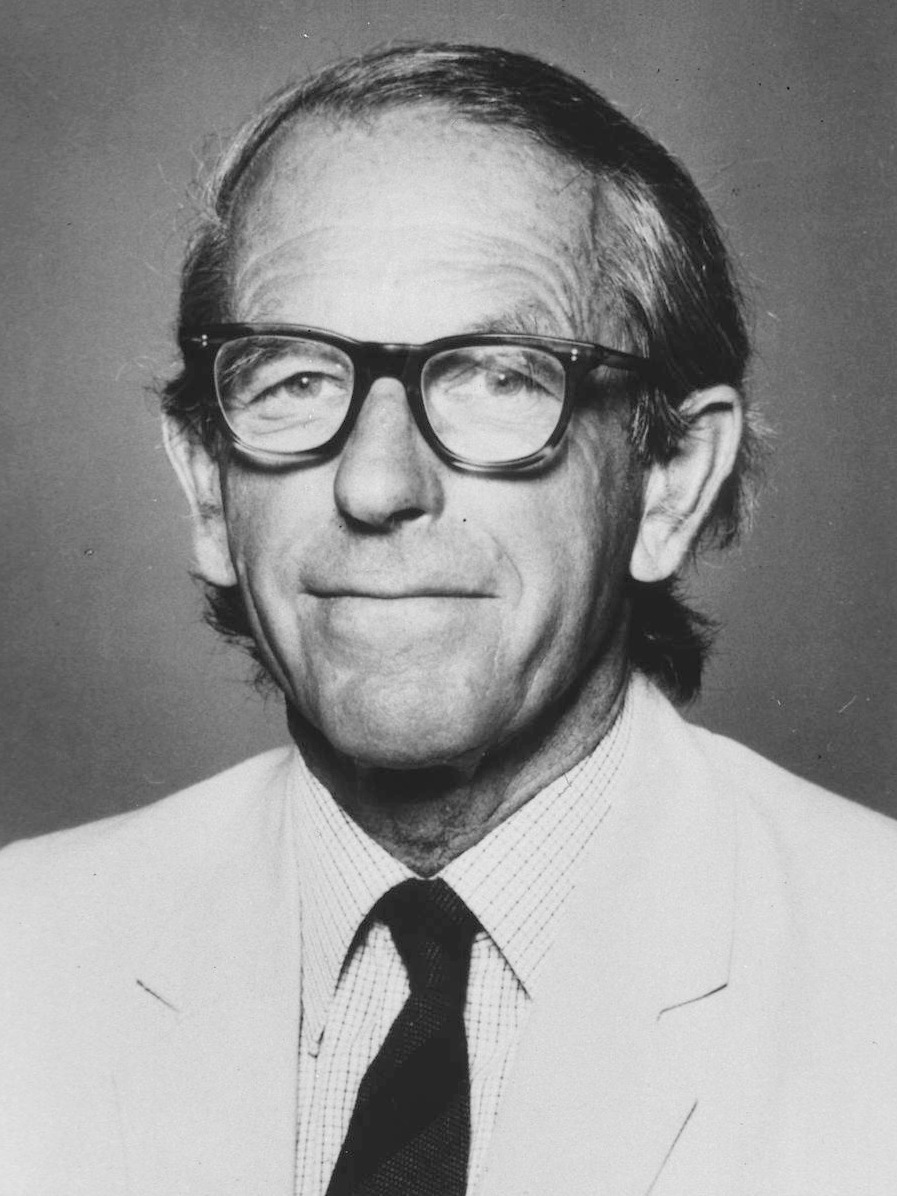
English biochemist Frederick Sanger (1918–2013) developed methods to determine the sequences of proteins and nucleic acids, earning two Nobel Prizes in Chemistry and transforming molecular biology.
Overview
Frederick Sanger (13 August 1918 – 19 November 2013) was an English biochemist whose laboratory methods established that biological molecules have defined, decipherable sequences. His two major innovations—techniques for determining the amino acid sequence of proteins and for sequencing DNA—laid foundations for modern molecular biology and genomics. He remains the only person awarded two Nobel Prizes in Chemistry, and one of the few individuals to receive two Nobel Prizes in any category.
Image gallery
6 Images


Major contributions
Sanger's work falls into two landmark achievements. First, he devised procedures to read the primary structure of proteins, most famously sequencing insulin. This achievement demonstrated that proteins are linear chains of amino acids arranged in specific orders, a crucial insight for biochemistry and medicine. For this research he received the 1958 Nobel Prize in Chemistry.
Later, Sanger developed the chain-termination method for determining the order of nucleotides in DNA, commonly called Sanger sequencing. This laboratory technique uses modified nucleotides to terminate DNA synthesis at defined positions, producing fragments that reveal the sequence when separated. Sanger sequencing dominated DNA analysis for decades and was instrumental in early genome projects; the method shared half of the 1980 Nobel Prize in Chemistry with Walter Gilbert.
Career and approach
Sanger worked for much of his career at Cambridge research institutions and the Medical Research Council, where he applied careful experimental design, clever chemical reagents, and rigorous analysis rather than flashy instruments. He introduced reagents and procedures—such as the reagent used to label protein N-termini—that became standard tools. Colleagues often described him as modest and focused on the experiment rather than personal recognition.
Impact, legacy and distinctions
- Established that proteins have unique amino-acid sequences and that DNA sequences can be read and compared.
- Pioneered techniques that enabled the sequencing of viral and bacterial genomes and contributed to the early stages of larger projects such as the human genome initiative.
- Awarded the Nobel Prize in Chemistry in 1958 for work on protein structure and in 1980 for methods to determine nucleotide sequences; he shared the latter prize with Walter Gilbert, while Paul Berg received the other half (Paul Berg).
Notable facts and recognition
Sanger is notable as the only person to have received two Nobel Prizes in Chemistry and as the fourth person overall to be awarded two Nobel Prizes. His 1958 prize specifically cited his studies of insulin (insulin), while the 1980 award recognized contributions to determining base sequences in nucleic acids. Biographies and institutional pages preserve accounts of his methods and scientific philosophy (biochemistry profiles, Nobel biography, Nobel laureates list, sequence determination).
Today, Sanger's name identifies both a sequencing technique and a legacy of precision in experimental science. His work transformed biochemical research from qualitative descriptions to quantitative, sequence-based understanding and enabled decades of progress in genetics, medicine, and biotechnology.
Questions and answers
Q: What is Frederick Sanger's full name?
A: Frederick Sanger OM CH CBE FRS FAA.
Q: When was he born?
A: He was born on 13 August 1918.
Q: How many Nobel Prizes did he win?
A: He won two Nobel Prizes in Chemistry, making him the only person to have done so.
Q: What did he receive his first Nobel Prize for?
A: His first Nobel Prize was awarded in 1958 for his work on the structure of proteins, especially that of insulin.
Q: Who did he share his second Nobel Prize with?
A: He shared his second Nobel Prize with Walter Gilbert in 1980. The other half of the prize was given to Paul Berg "for his fundamental studies of the biochemistry of nucleic acids, with particular regard to recombinant-DNA".
Q: What field was Sanger a scientist in?
A: Sanger was an English biochemist.
Related articles
Author
AlegsaOnline.com Frederick Sanger: Biochemist and Pioneer of Protein and DNA Sequencing Leandro Alegsa
URL: https://en.alegsaonline.com/art/119230
Sources
- ui.adsabs.harvard.edu : 2013Natur.503..442.
- doi.org : 10.1038/503442a
- doi.org : 10.1098/rsbm.2001.0021
- doi.org : 10.1098/rsbm.2015.0013
- sanger.ac.uk : Frederick Sanger
- guardian.co.uk : "DNA pioneer's legacy saved"
- warwick.ac.uk : The text of the Times article
- sciencemag.org : "Newsmakers: a life in science"
- bbc.co.uk : "Frederick Sanger: Nobel Prize winner dies at 95"
- telegraph.co.uk : The Telegraph: Frederick Sanger, OM