
Frederick North, Lord North (Prime Minister of Great Britain, 1770–1782)
British statesman Frederick North, commonly Lord North (1732–1792), led the government through the years surrounding the American Revolution and presided over key fiscal and political responses to colonial unrest.
Overview
Frederick North, commonly known by his courtesy title Lord North (13 April 1732 – 5 August 1792), was a senior British statesman who served as Prime Minister of Great Britain from 1770 to 1782 and sat on the Privy Council. His premiership coincided with a period of intense imperial crisis that culminated in the American War of Independence.
Image gallery
7 Images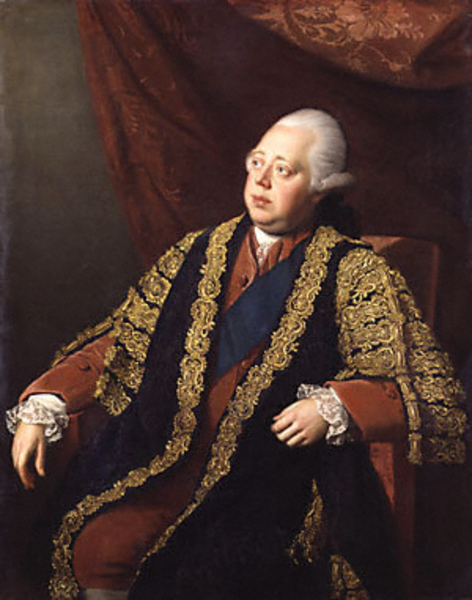


Political career and responsibilities
Lord North was a long-serving parliamentarian and held several government offices before becoming head of the ministry. For much of his time as prime minister he also carried major financial responsibilities, shaping taxation and revenue policy for the British government. He was known for a managerial style that relied on loyalty to the Crown and close collaboration with the monarch.
Role in the American crisis
North led the British response to growing resistance in the North American colonies. His government oversaw measures designed to enforce imperial authority and recover revenue, and it confronted events such as the Boston disturbances, punitive measures directed at colonial governments, and the military campaigns that followed the Declaration of Independence. The loss of major military and political control in America remains the defining outcome of his administration.
Policies, style and relationships
Contemporaries described North as pragmatic and urbane, able to hold together a diverse parliamentary coalition while relying on the personal support of King George III. He combined a cautious domestic approach with assertive imperial measures abroad, a mix that proved controversial and ultimately politically costly.
Legacy
North resigned after sustained parliamentary defeats in 1782. He later succeeded to the family peerage and was known thereafter by the earldom. Historians often view his premiership through the lens of the American Revolution: some emphasize constrained choices and misfortune, others stress policy errors that deepened colonial opposition.
Notable facts
- Served as head of government during a major imperial war and political realignment.
- Associated with fiscal and coercive measures aimed at the American colonies.
- Remembered for his close association with the monarch and the parliamentary system of his day.
For further reading, see biographical and parliamentary summaries linked from official and scholarly sources: biography, privy papers, prime ministerial records, and general histories of Great Britain.
Related articles
Author
AlegsaOnline.com Frederick North, Lord North (Prime Minister of Great Britain, 1770–1782) Leandro Alegsa
URL: https://en.alegsaonline.com/art/119228