
Freddy Adu — American soccer player and former youth prodigy
Freddy Adu (born 1989) is a Ghana-born American soccer player who rose to fame as a teenage prodigy, became a professional at 14, and later had a varied club and international career.
Freddy Adu (born June 2, 1989) is a Ghana-born professional soccer player who gained international attention as a teenage prospect after moving to the United States as a child. Raised in the Maryland area, Adu attracted intense media interest for his technical ability and creativity on the ball. Early comparisons to historic greats framed his career from a young age and shaped public expectations.
At age 14 Adu signed a professional contract in Major League Soccer and made his senior debut with D.C. United, an event that marked him as one of the youngest athletes to turn professional in contemporary American team sports. That early breakthrough brought high-profile endorsements and a global spotlight, as well as scrutiny about the transition from youth promise to sustained adult performance. For background and timelines see a general career overview.
Image gallery
2 Images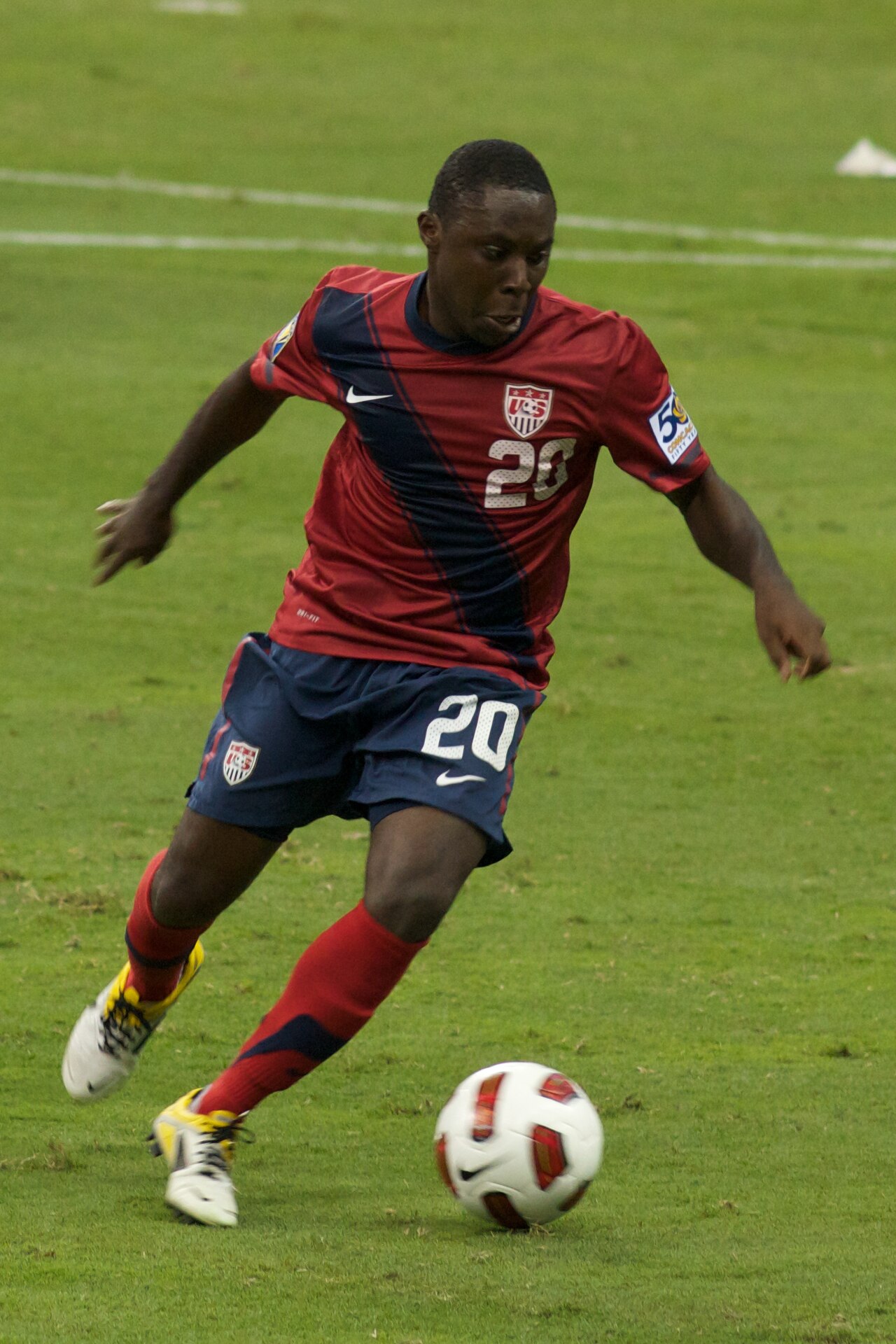

Playing style and position
Adu is primarily an attacking midfielder or winger, known for quick feet, dribbling and vision. His strengths as a creator included tight-space control and the ability to combine with forwards. Coaches and analysts often noted his technical comfort at speed but also raised questions about physical development and consistency—common themes when a teenage talent faces the professional ranks.
- Creative playmaker with close ball control
- Versatile across attacking midfield and wing positions
- Praised for vision but critiqued for inconsistency at senior level
After his MLS debut Adu moved between several clubs in Europe and the Americas, including a high-profile transfer to a Portuguese side and subsequent loan spells. His club itinerary was varied, reflecting both the demand for his talents and the difficulty of finding a long-term fit. He also spent time with teams outside Portugal, including a stint with the Greek club Aris Thessaloniki during his journeyman period. For more on specific club stops consult a comprehensive club history.
On the international stage Adu represented the United States at youth levels and earned appearances for the senior national team. His international involvement illustrated the dual identity of a Ghana-born player who became an American sporting figure. Discussions of his career often focus on the mismatch between early hype and later results, and he is frequently cited in debates about talent development, media pressure and player management. A concise set of notable points is available in this national team summary.
Legacy and notable facts: Adu remains a widely recognized name in modern American soccer history because of the extraordinary attention he received as a teenager, his technical gifts, and his peripatetic professional life. His story is used in conversations about managing young talent and the unpredictability of athletic careers, offering lessons for clubs, coaches and aspiring players.
Related articles
Author
AlegsaOnline.com Freddy Adu — American soccer player and former youth prodigy Leandro Alegsa
URL: https://en.alegsaonline.com/art/119212
Sources
- national-football-teams.com : "Freddy Adu"