
Franz Grillparzer: Austrian Dramatist and Poet
Overview of Franz Grillparzer (1791–1872), his life, major works including the trilogy Das Goldene Vliess, themes, style, and his place in German-language literature.
Overview
Franz Grillparzer (15 January 1791 – 21 January 1872) was a leading Austrian dramatist and poet born and deceased in Vienna. He is remembered for plays that combine classical forms with a strong study of individual fate and moral conflict. His body of work spans tragedies, comedies, verse dramas and shorter lyrical pieces.
Image gallery
9 Images


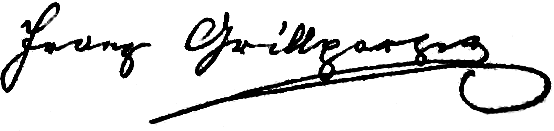

Life and career
Grillparzer spent most of his life in Vienna, where he balanced a long career in the imperial civil service with writing. He first gained attention in the early 19th century during the cultural climate that followed the Napoleonic wars. Though not a political agitator, his dramas engage historical and psychological questions that resonated with audiences of the Biedermeier era and beyond.
Major works
His output includes several pieces that became staples of the German-language stage. Notable titles are:
- Die Ahnfrau (The Ancestress) – an early dramatic success blending folklore and tragedy.
- Sappho – a lyrical tragedy that emphasizes artistic passion and sacrifice.
- König Ottokars Glück und Ende – a historical drama about the fall of King Ottokar that mixes politics and destiny.
- Das Goldene Vliess – a poetic trilogy drawing on mythic material to explore heroism and doom.
Style and themes
Grillparzer is often noted for formal restraint, classical clarity and psychological depth. He tended to favor tight plotting and concentrated character studies, with recurring themes of fate, honor, and the tension between private desire and public duty. His language moves between elevated verse and plainspoken dialogue depending on dramatic need.
Reception and legacy
During his lifetime and afterward, Grillparzer was regarded as a national literary figure in the German-speaking world. His works influenced later playwrights and remain part of literary curricula and theatrical repertoires. Critics value him for combining technical skill with inward-focused drama that anticipates later psychological approaches to tragedy.
Notable facts
Although primarily remembered for his stage works, Grillparzer also wrote poems, short narratives and essays. He lived through major political and cultural shifts in Central Europe, and his steady, often reserved public persona contributed to a reputation as a classicist who probed the ambiguities of human motive and destiny.
More on Vienna and context | Austrian literary tradition | Dramatic form and poetry | Trilogy overview | About The Golden Fleece
Related articles
Author
AlegsaOnline.com Franz Grillparzer: Austrian Dramatist and Poet Leandro Alegsa
URL: https://en.alegsaonline.com/art/119190
Sources
- britannica.com : "Franz Grillparzer | Austrian dramatist"