
Franz Müntefering — German SPD politician and former Vice‑Chancellor
German Social Democratic politician; longtime SPD leader, federal minister and Vice‑Chancellor (2005–2007). Influential in party organisation, labour policy and the SPD’s role in coalition governments.
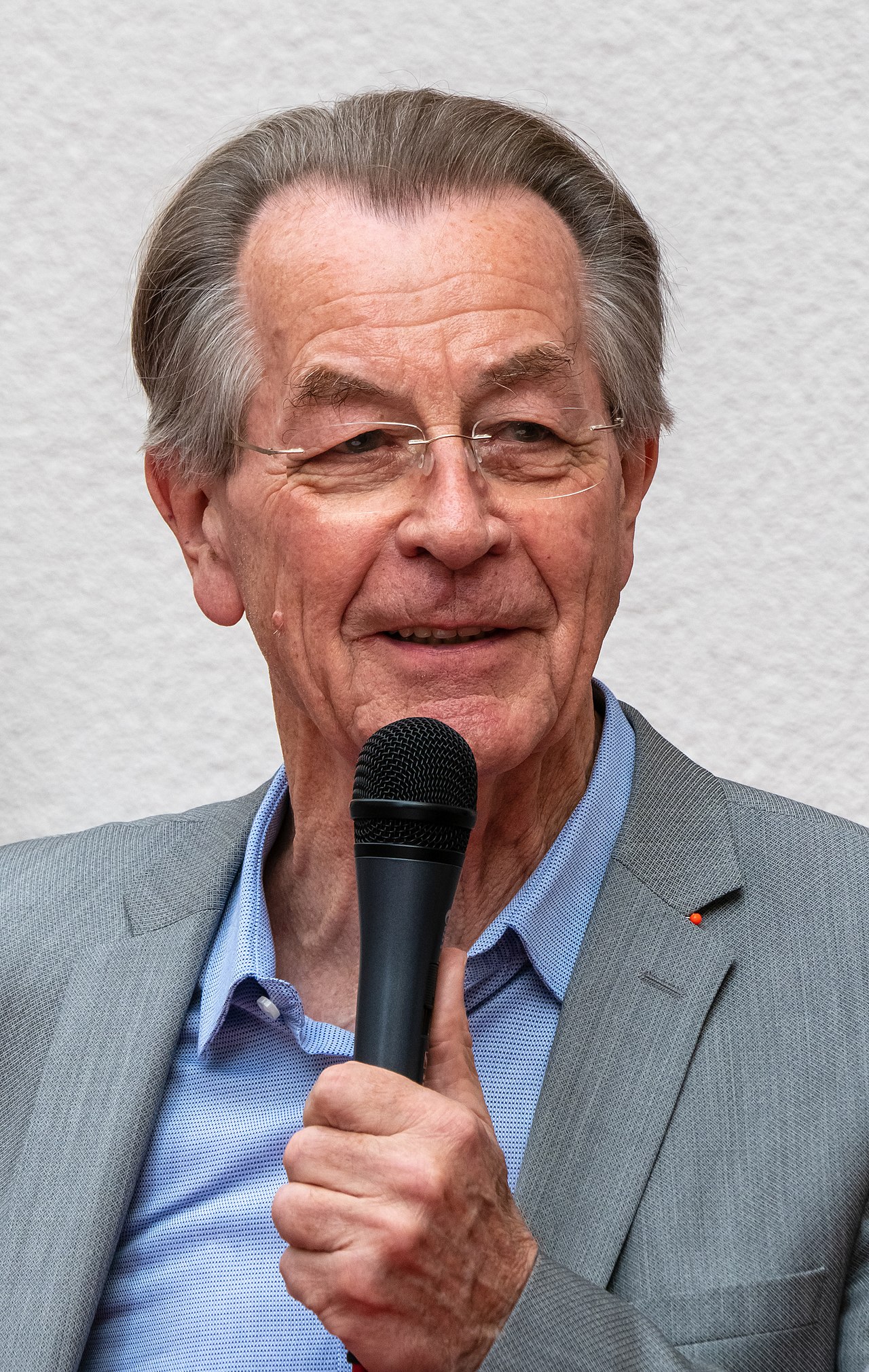
Franz Müntefering (born 16 January 1940) is a German politician associated with the Social Democratic Party of Germany. Over several decades he played prominent roles at local, state and federal levels, serving as a party organiser, parliamentary leader, federal minister and twice as national party chairman. His career combined organisational work inside the party with responsibilities in government, especially in labour and social policy.
Image gallery
2 Images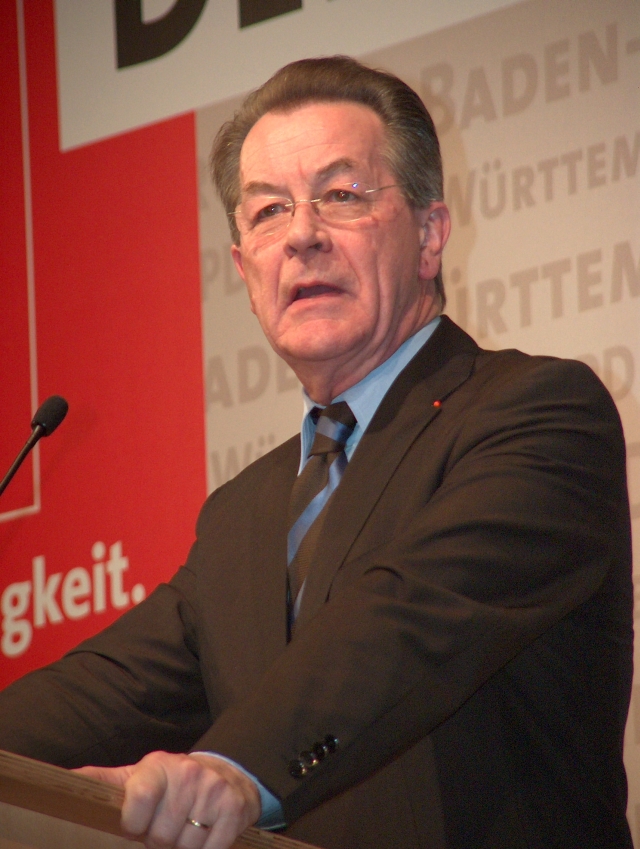
Early life and background
Müntefering was born in Neheim‑Hüsten near Arnsberg and trained as an industrial salesman before entering politics. He joined the Social Democratic Party early in his adult life and built a reputation as a practical administrator and party organiser. His roots in a working‑class region and his trade education informed his long‑standing focus on labour questions and social policy.
Political offices and timeline
Across state and federal politics Müntefering held a succession of posts. Highlights include:
- Member of the Bundestag (Federal Parliament) in two periods: the 1970s–1990s and again from the late 1990s until 2013.
- State minister for social affairs in North Rhine‑Westphalia and later state party chairman in that Land.
- Federal executive roles in the SPD, including federal executive director and party general secretary, positions that placed him at the centre of party organisation and election preparation.
- Federal ministerial posts in the Schröder government and later in the grand coalition: he served in charge of transport and infrastructure matters and, subsequently, as Federal Minister of Labour and Social Affairs and Vice‑Chancellor in the government led by Chancellor Angela Merkel.
For organisational and historical context see the party’s main page: Social Democratic Party (SPD).
Role in governments and party leadership
Müntefering combined front‑bench government duties with strong influence inside the SPD. As a minister he focused on issues affecting employment, social security and the practical implementation of federal programmes. Within the parliamentary group he served as faction leader, coordinating legislative work and representing the party’s positions in national debates. He also acted several times as national party chairman, guiding strategy and coalition negotiations.
Resignation, return and later years
In 2007 Müntefering surprised colleagues by relinquishing his government posts to care for his seriously ill wife; he retained his parliamentary seat but stepped back from party offices. After her death he returned to active politics and once more took on party leadership responsibilities. His ministerial service included work in cabinets under Chancellor Gerhard Schröder, and later the grand coalition headed by Angela Merkel. Müntefering remained a Bundestag member until his retirement from active federal politics in 2013.
Significance and legacy
Müntefering is remembered as a pragmatic organiser who strengthened the SPD’s internal structures and played a key role during periods of coalition government. His background in trade and administration gave him a practical orientation toward labour and social questions, and his repeated returns to leadership roles reflect both his influence within the party and the trust placed in him to manage difficult political transitions. For information on his local origins see the municipality: Arnsberg (Neheim‑Hüsten).
Further reading and official references may be found through recognised party and parliamentary sources. For an overview of the SPD’s organisation and history consult the party link above; for government records and cabinet compositions refer to official federal archives and parliamentary records.
Questions and answers
Q: Who is Franz Müntefering?
A: Franz Müntefering is a German politician who used to be Chairman of the Social Democratic Party of Germany (SPD).
Q: When was Müntefering born and where?
A: Franz Müntefering was born on January 16, 1940, in Neheim-Hüsten near Arnsberg.
Q: What did Müntefering do after finishing school?
A: After finishing school, Müntefering was taught to become an industrial salesman.
Q: When did Müntefering join the Social Democratic Party?
A: Franz Müntefering joined the Social Democratic Party in 1966.
Q: What were some of Müntefering's political roles?
A: Müntefering was a member of the Bundestag (Federal Parliament) from 1975 to 1992 and again from 1998 to 2013. He was also Secretary of Social affairs in the State of North Rhine-Westphalia from 1992 to 1995, Party Chairman in that state from 1995 to 2001, and Bundesgeschäftsführer (federal executive director) of the SPD from 1995 to 1998.
Q: During which years was Müntefering Secretary for Working and Social Affairs and Vice Chancellor of Germany?
A: Müntefering was Secretary for Working and Social Affairs and Vice Chancellor of Germany from 2005 to 2007.
Q: When was Müntefering Party Chairman of the SPD?
A: Müntefering was Party Chairman of the SPD from 2004 to 2005 and again from 2008 to 2009.
Related articles
Author
AlegsaOnline.com Franz Müntefering — German SPD politician and former Vice‑Chancellor Leandro Alegsa
URL: https://en.alegsaonline.com/art/119197