
Franz Anton Mesmer and the Origins of Mesmerism
German physician Franz Anton Mesmer proposed 'animal magnetism' in the 18th century; his methods launched debates that led to modern hypnotism and influenced medicine, culture, and scientific inquiry.
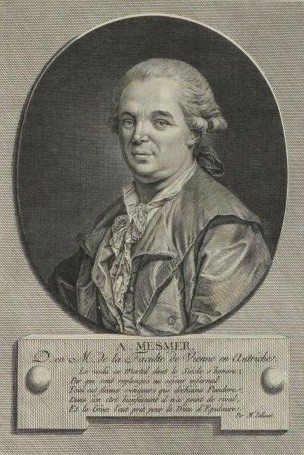
Franz Anton Mesmer (23 May 1734 – 5 March 1815) was a German physician known for proposing a controversial healing theory usually called animal magnetism or mesmerism. Trained in the medical tradition of his era, Mesmer combined medical practice with interests in natural philosophy and astronomy. For general biographical context see Mesmer’s life as a physician and his early interests in astronomy.
Image gallery
4 Images


Theory and methods
Mesmer argued that a universal, invisible fluid linked living beings and the physical world. He believed that an imbalance or obstruction in this fluid produced illness, and that it could be corrected by directing or redistributing the fluid. Mesmer’s practical toolbox included the use of magnets, hand gestures or “passes” over a patient’s body, and group devices such as the baquet — a communal apparatus intended to concentrate and redistribute the fluid. His sessions were often dramatic and ritualized, which helped attract a large following.
Reception and official inquiry
Mesmer’s ideas became widely popular in late-18th century Europe but also provoked organized scepticism. A royal commission in Paris examined his claims and practice; prominent scientists participated in that investigation, which concluded that the effects of Mesmer’s treatments were not due to any physical magnetic fluid but to patients’ imagination, expectation, and social influence. The findings damaged Mesmer’s standing, though they did not end public fascination with his methods.
Legacy and influence
Although the concept of animal magnetism was rejected as a physical theory, aspects of Mesmer’s practice influenced later developments. In the 19th century James Braid coined the term hypnosis, reframing some mesmerist phenomena in psychological terms. Mesmer’s work contributed to several currents:
- the emergence of hypnotic techniques used in medicine and psychotherapy;
- popular and literary interest in altered states, suggestion, and the mind–body relationship;
- debates about scientific method, placebo effects, and the role of expectation in healing.
Today Mesmer is remembered less for the literal claims about a universal fluid and more for prompting early study of suggestion, persuasion, and non‑pharmacological influences on health. His name survives in the words mesmerism and, indirectly, in the modern study of hypnosis and therapeutic suggestion.
Related articles
Author
AlegsaOnline.com Franz Anton Mesmer and the Origins of Mesmerism Leandro Alegsa
URL: https://en.alegsaonline.com/art/119199