
François Hollande: French president, Socialist leader and public figure (born 1954)
Overview of François Hollande’s life and political career, education, presidency (2012–2017), major policies and events, and post-presidential role.
François Hollande (born 12 August 1954) is a French politician who served as President of the French Republic from 2012 to 2017. His five-year term included high-profile domestic reforms, a prominent role in international interventions, and the response to major terrorist attacks on French soil. As president he also held the ex officio title of Co‑Prince of Andorra. Hollande rose through local and national political ranks as a member of the Socialist movement and became one of the most visible figures of his party during the early 21st century.
Image gallery
10 Images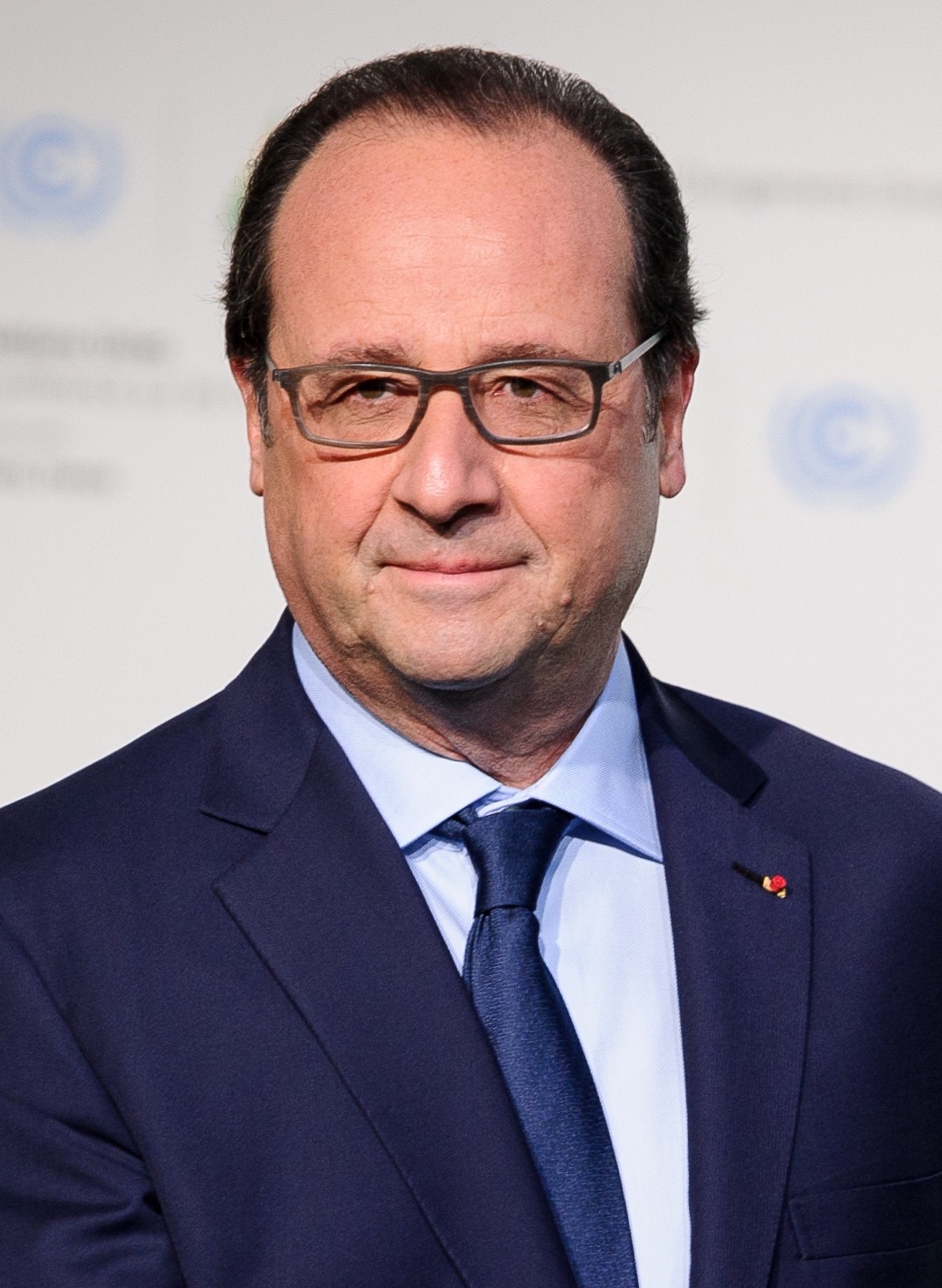


Early life and education
Hollande was born in Rouen and grew up in an educated, middle-class family. He pursued higher education in Paris, studying law and attending some of France’s leading institutions. His studies included time at law faculties and elite schools such as the business school commonly called HEC and the political science institute often known as Sciences Po. He later trained at the École nationale d'administration (ENA), the grande école that prepares many French civil servants and political leaders.
Political rise and roles
Hollande established his political base in the department of Corrèze, where he served as a deputy and developed local ties. He was elected mayor of Tulle and held leadership positions within his party, which he represented as a member of the French Socialist movement. Over the years he combined local executive experience with work in the National Assembly and internal party responsibilities, building the profile that allowed him to compete for the presidency.
Election to the presidency
Hollande won the presidential election in May 2012, defeating incumbent Nicolas Sarkozy in a two‑round contest. In the first round he received a significant share of the vote and prevailed in the runoff with a narrow majority. His victory marked the return of a Socialist president after a period of conservative leadership. During his campaign and early presidency he emphasized themes such as social justice, employment, and a balanced approach to public finances.
Presidency: policies and notable events (2012–2017)
As president Hollande pursued a mix of social and economic measures designed to stimulate growth while protecting social welfare. His government enacted policies on taxation, labor and public spending; some initiatives were controversial and provoked public debate. Internationally, France under Hollande took military and diplomatic action in response to regional crises, including intervention in Mali to counter armed groups and participation in international efforts against extremist organizations. His term was also marked by a series of violent terrorist attacks in 2015 that led to an extended state of emergency and a national focus on security and counterterrorism.
Decisions, political standing and succession
Hollande’s time in office saw fluctuating public approval, and he made the unusual decision not to seek re‑election at the end of his term. He left the presidency in May 2017 and was succeeded by Emmanuel Macron. The period of his leadership continues to be discussed for its approach to economic reform, social policy such as measures expanding civil rights, and France’s role on security and foreign policy matters.
Legacy and later activity
Since leaving office, Hollande has remained a public figure, occasionally commenting on political debates, international affairs and the future of his party. His presidency is often evaluated in the context of France’s broader 21st‑century challenges: economic competitiveness, social cohesion and responding to global security threats. For readers seeking further biographical detail and specific policy texts, consult primary sources and biographies linked to official records and comprehensive profiles.
Related articles
Author
AlegsaOnline.com François Hollande: French president, Socialist leader and public figure (born 1954) Leandro Alegsa
URL: https://en.alegsaonline.com/art/119015