
France-Albert René: Seychellois Leader and Longtime President
Biography and overview of France-Albert René, second president of Seychelles (1977–2004): rise to power, governance, transition to multiparty rule, controversies, and legacy.
France-Albert René (16 November 1935 – 27 February 2019) was a prominent Seychellois politician who served as the second President of Seychelles from 1977 until 2004. Often referred to simply as Albert René or by the nickname Ti France, he dominated Seychellois politics for nearly three decades and played a central role in shaping the modern island state's institutions, economy, and international alignments.
Image gallery
5 Images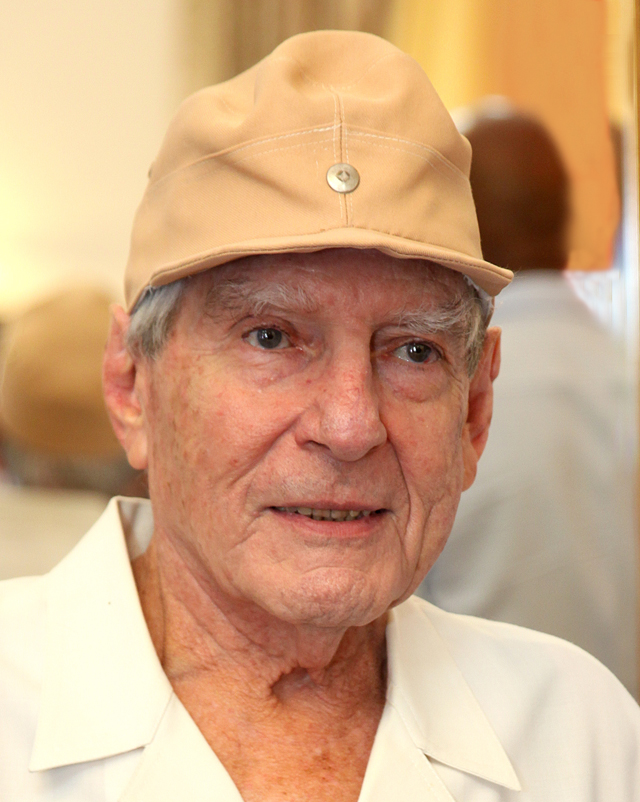


Early life and rise to power
Born on the island of Mahé, René became active in politics in the 1960s and 1970s as the Seychelles moved toward independence from British colonial rule. He led a left-leaning grouping that challenged the policies of the first post-independence president, James Mancham. In June 1977, while Mancham was abroad, René's supporters carried out a bloodless coup that brought him to power. He subsequently consolidated control through the ruling party and by reorganizing the state's institutions.
Governance, policies and political system
René's government pursued a state-led development model with an emphasis on social services such as health and education, and on diversifying the economy. Early policies included increased government involvement in economic sectors and efforts to expand public welfare. Over time, tourism and fisheries became central engines of growth for the islands, and the administration promoted infrastructure and public-sector initiatives to support those sectors.
Security events and political repression
The René years were also marked by episodes of political tension. In 1981 an armed attempt to overthrow his government, led by foreign mercenaries, ended in failure but highlighted regional instability. Domestic critics and international observers frequently accused his administration of restricting political freedoms, detaining or exiling opponents, and limiting dissent during the period of one-party rule. Supporters argue those measures helped preserve stability during a difficult era of Cold War geopolitics.
Transition and later years
Facing changing domestic and international pressures, René initiated a return to multi-party politics in the early 1990s, overseeing constitutional reforms and the holding of competitive elections. He remained president until 2004, when he stepped down and was succeeded by a fellow party member. In retirement he stayed an influential figure in national life until his death in 2019.
Legacy and notable facts
- Long-serving head of state credited with modernizing aspects of the public sector and expanding social programs.
- Controversial record on human rights and political freedoms during the one-party era.
- Survived a notable 1981 coup attempt involving foreign mercenaries.
- Oversaw the reintroduction of competitive politics and a transition to a multi-party constitution in the 1990s.
René died on 27 February 2019 on Mahé; reports at the time attributed his passing to respiratory failure. For contemporary accounts and obituaries, see news coverage and analyses.
Related articles
Author
AlegsaOnline.com France-Albert René: Seychellois Leader and Longtime President Leandro Alegsa
URL: https://en.alegsaonline.com/art/119022
Sources
- books.google.com : books.google.com
- m.seychellesnewsagency.com : m.seychellesnewsagency.com//articles/10572/France Albert Rene, former President of Seyche…
- seychellesnewsagency.com : France Albert Rene, former President of Seychelles, dies at age 83