
Black caiman (Melanosuchus niger): overview, biology, and conservation
The black caiman is the largest South American alligatorid. This article covers its appearance, habitat in the Amazon Basin, behavior, reproduction, and conservation challenges and recovery efforts.
Overview: The black caiman (Melanosuchus niger) is a large crocodilian found in the Amazon Basin of South America. As the biggest living member of the family Alligatoridae, it plays an important ecological role as a top predator in slow-moving rivers, lakes and flooded forests. The animal is notable for its dark, often almost black, skin and substantial size, with individuals commonly reaching lengths of 4–6 metres in exceptional cases.
Image gallery
10 Images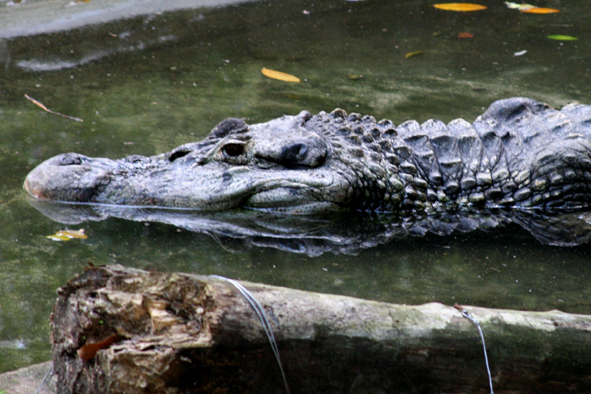



Description and distinguishing features
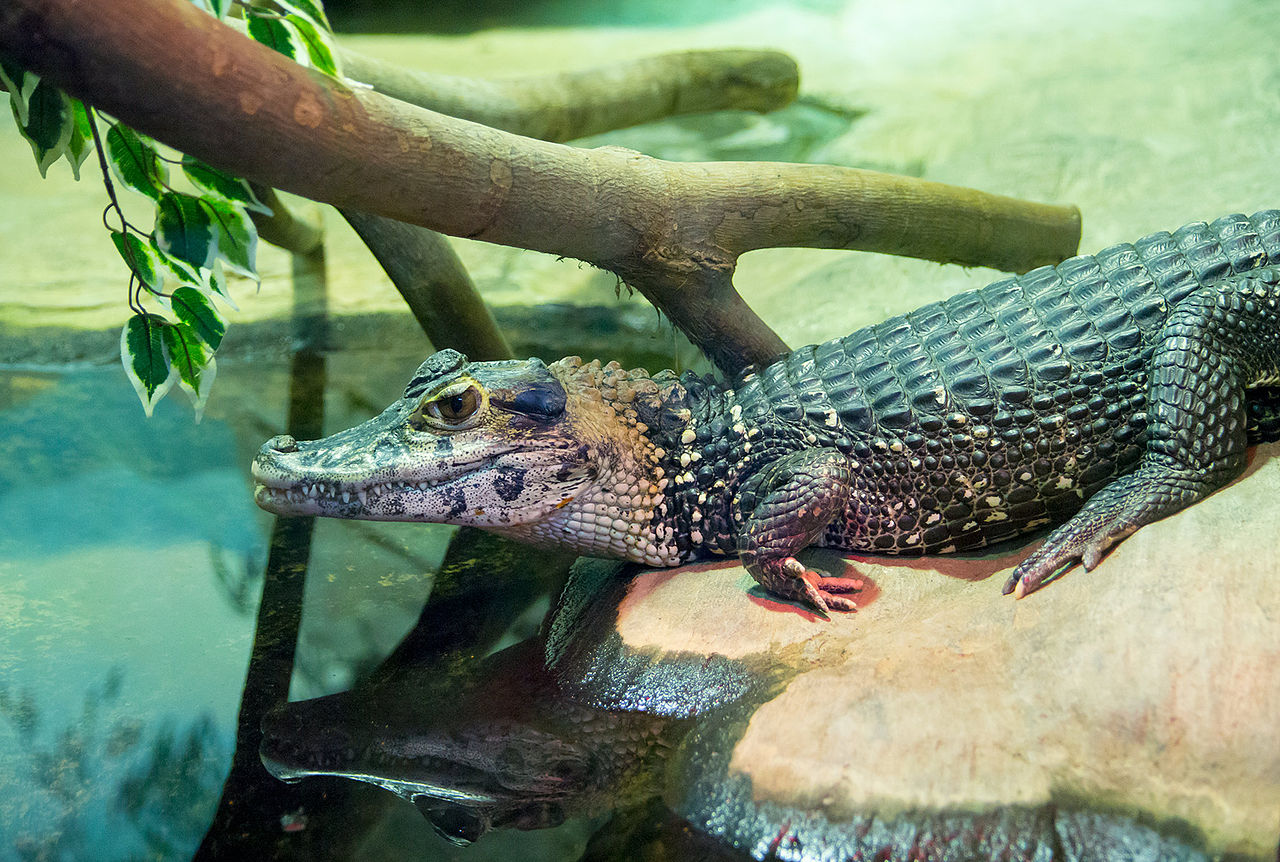
The black caiman has a robust body, a broad snout, and armored skin composed of bony scutes. Its coloration tends toward very dark brown or black, which can help with camouflage in shaded waters. Key characteristics include:
- Large size: the largest of the caimans and one of the largest New World crocodilians; specimens over 5 metres have been reported.
- Skull and teeth: strong jaws with conical teeth suited for seizing fish and larger vertebrate prey.
- Social and sensory traits: like other crocodilians, it has sensitive pressure receptors on the jaws and good night vision for hunting in low light.
Distribution and habitat
Black caimans inhabit the Amazon Basin and associated wetlands, favoring slow-moving rivers, oxbow lakes, marshes and seasonally flooded forests. Their range overlaps with many other aquatic species, and they are often tied to areas with abundant prey and suitable nesting sites. For general information about caimans and related groups, see resources on caiman and the family Alligatoridae. Typical habitats are described in regional guides to Amazonian rivers and wetlands (habitat references, Amazon Basin).
Behavior and diet
Black caimans are largely nocturnal ambush predators. Their diet includes fish, turtles, birds, and medium-to-large mammals that come to the water’s edge; juveniles feed on invertebrates and small fish. They use stealth and powerful bursts of speed to capture prey. Adults have few natural predators except humans, and they help regulate populations of other aquatic and riparian species.
Reproduction and life history
Breeding is seasonal and tied to the flood cycle in much of their range. Females build mound nests of vegetation and soil along riverbanks or in flooded forest clearings. As with other crocodilians, incubation temperature affects the sex of hatchlings (temperature-dependent sex determination). Young caimans receive some parental protection after hatching, which improves survival during early life stages.
Conservation and human interactions
During the 20th century black caimans were heavily hunted for their hides, causing dramatic declines in many areas. Conservation measures, legal protections and regulated management have allowed populations to recover in portions of their range, although the species remains sensitive to habitat loss, pollution, and localized overhunting. Human–caiman conflicts occasionally occur near settlements and fisheries, and the species is also a focus of ecotourism where responsible viewing supports local economies. Ongoing monitoring and habitat protection are important to maintain healthy populations and the ecological roles these large predators perform.
Related articles
Author
AlegsaOnline.com Black caiman (Melanosuchus niger): overview, biology, and conservation Leandro Alegsa
URL: https://en.alegsaonline.com/art/11895