
Black British
People in the United Kingdom with African or Caribbean heritage who identify as Black British; overview of identity, history, demographics, culture and social issues.
Overview
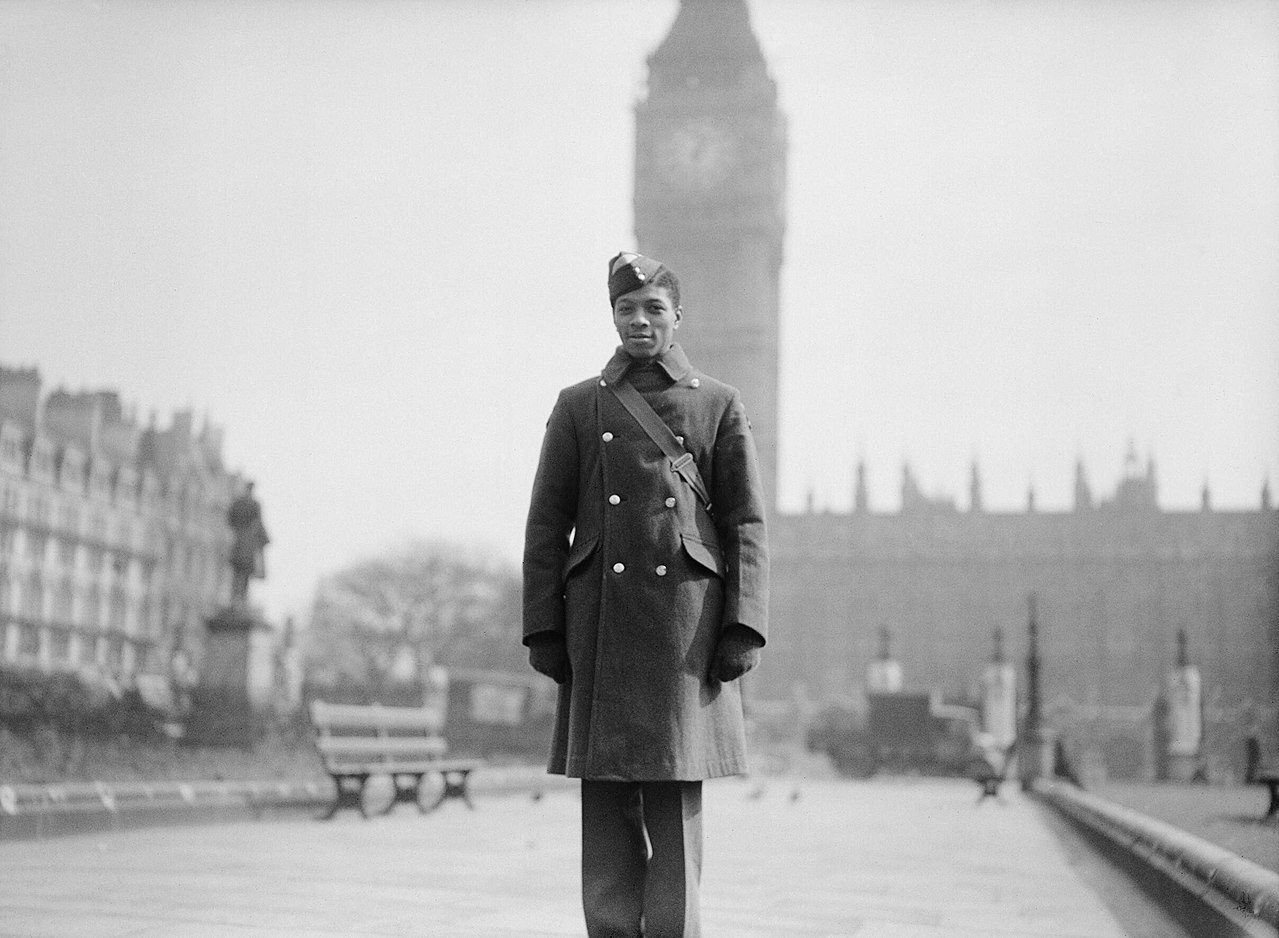
Black British is a social and cultural identity used in the United Kingdom to describe people of African and Caribbean descent who are British by nationality, birth or long-term residence. The term covers a range of backgrounds, including families with roots in sub-Saharan Africa, the Caribbean and mixed heritage households. It is used in public discussion, research and official statistics, and can reflect both ancestry and self-identification.
Image gallery
10 Images




Identity and characteristics
Being Black British can mean different things to different people. For some it primarily denotes ancestry and visible appearance; for others it expresses a shared cultural experience in Britain shaped by migration, language, religion and everyday life. Identity can overlap with national affiliation: people may hold British citizenship or other forms of British nationality, and the legal and social meaning of belonging is shaped by laws and public attitudes.
History and migration
Significant migration from the Caribbean and Africa to Britain increased during the 20th century. The arrival of the Windrush generation after World War II is one of the best-known postwar migration waves from the Caribbean, while later decades saw larger numbers of migrants from various African countries for reasons including education, work and refuge. These movements produced diverse Black British communities with distinct regional and historical roots.
Demographics and distribution
Official counts and surveys have recorded Black British populations at different times. For example, an earlier national census reported roughly 1.2 million people identifying as Black British in the early 2000s. Black British communities are concentrated in larger urban areas, particularly London and other major cities, although they live throughout the UK.
Culture and contributions
Black British people have made visible contributions to British life across music, literature, sport, politics, visual arts and public service. Musical genres and movements, community institutions, and cultural events reflect the range of influences that Black British people have brought to the wider society.
- Music and media: influences from Caribbean and African traditions have helped shape popular British music scenes.
- Arts and literature: writers, artists and performers have explored questions of identity, history and belonging.
- Public life: representation in local and national institutions continues to evolve.
Social issues and distinctions
Conversations about race, inequality and representation are central to discussions about Black British life. Historically, terms used to describe non-white residents have shifted; earlier usages sometimes conflated diverse groups under broad labels, reflecting social attitudes and discrimination. Today, distinctions are more precise: people may identify by region of origin (e.g., African, Caribbean), by specific nationality, or by the pan-ethnic label Black British. Public policy, academic research and community organisations continue to examine disparities in employment, education and criminal justice.
Further information
For official definitions and nationality matters see British nationality information and general background on British status at British nationality resources. Historical migration and demographic sources include the national census data and population overviews at population summaries. For regional origins and migration narratives see African links at African migration and Caribbean histories. Discussions of changing terminology and past biases are explored in analyses of English social attitudes at English social history and research on communities sometimes grouped together such as British Asians at British Asian communities. Contemporary debates about racism and social justice are examined in many reports and commentaries, for example studies on racism.
Related articles
Author
AlegsaOnline.com Black British Leandro Alegsa
URL: https://en.alegsaonline.com/art/11893
Sources
- statistics.gov.uk : National Statistics Online - Ethnicity