
BookCrossing — releasing books into public circulation
BookCrossing is the practice of leaving books in public or sharing them through networks so others can read and pass them on; supported by an online community for tracking, discussion, and events.
BookCrossing describes a grassroots practice in which readers leave physical books in public places or pass them among a network so that strangers can find, read and then re-release them. The term is associated with a dedicated online community that provides registration, tracking and forums to support the idea that books can travel and be shared informally, turning private volumes into a distributed, community-owned resource.
Image gallery
6 Images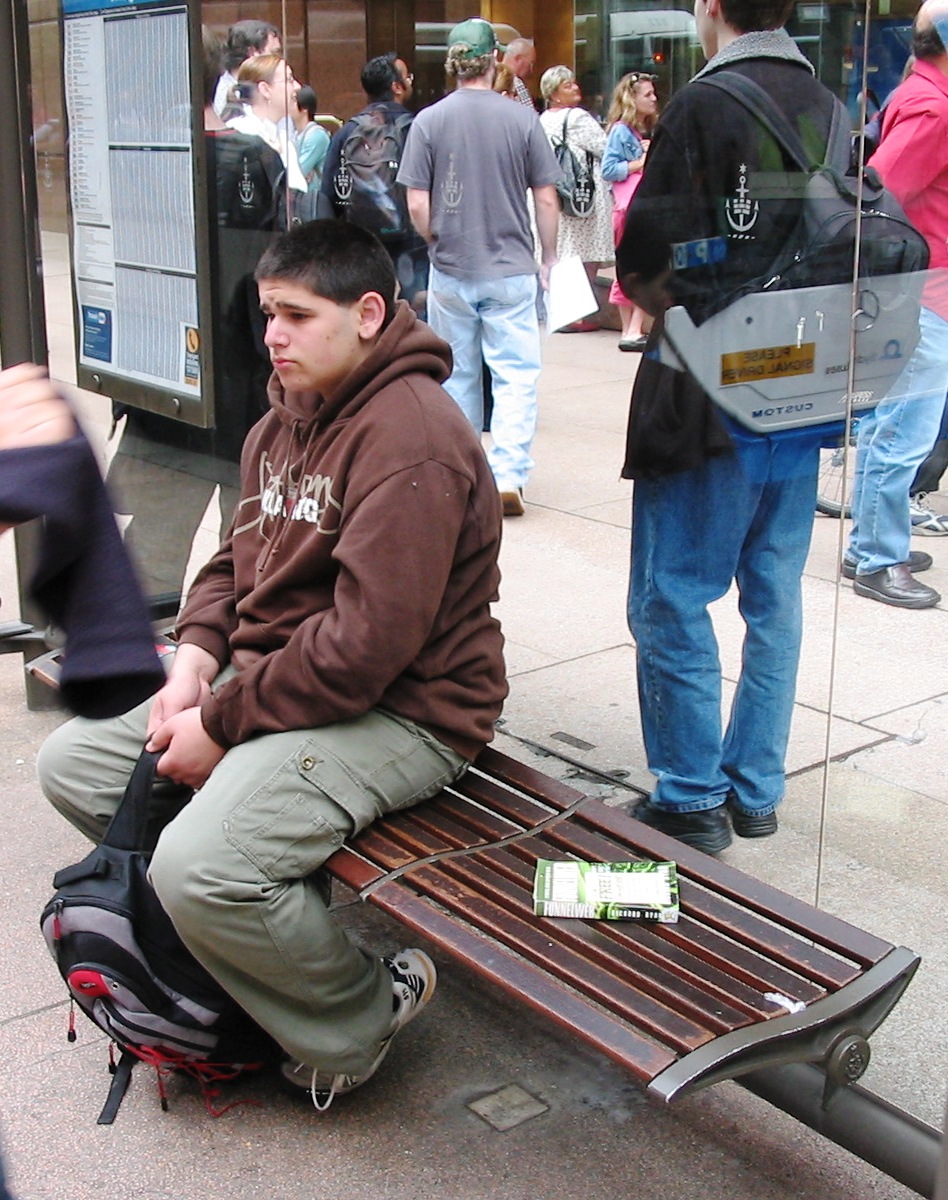


How BookCrossing works
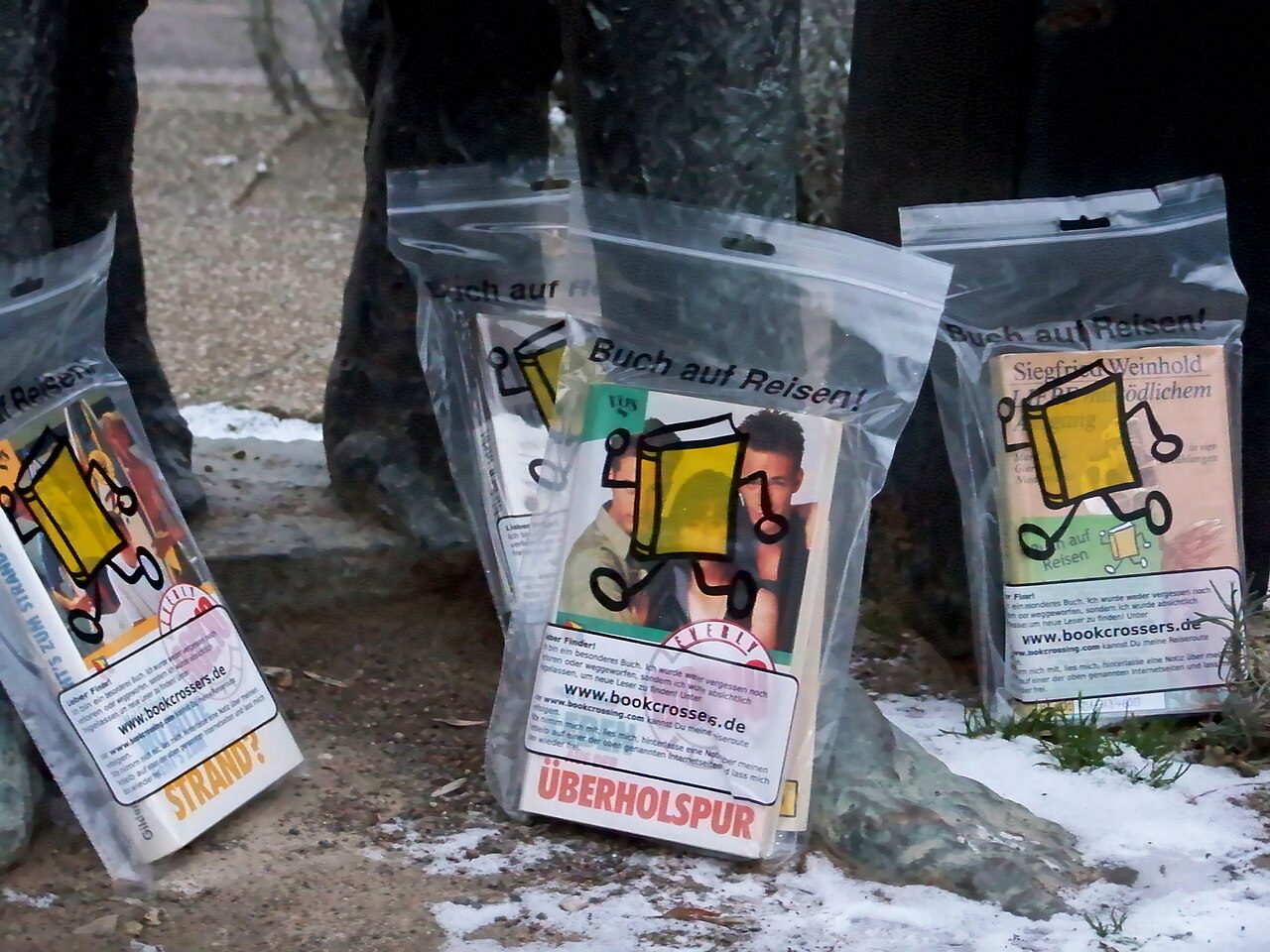
At its simplest, BookCrossing involves leaving a book where another person will discover it. Many participants register their books online to add an element of traceability: a book receives an identification tag, the finder can record where and when it was discovered, and subsequent readers may add comments about the book’s journey. This tracking element is optional but popular because it creates a narrative of circulation and connects readers who otherwise might never meet.
Common methods and formats
- Wild release: leaving books in public spaces such as parks, cafés, trains, or bus shelters for random finders.
- Direct swaps: trading books between individuals, either in person or by mail.
- Book rings: sending a single copy through an ordered list of readers so each person can read and pass it along.
- Designated hotspots or shelves: maintaining a visible spot—sometimes marked—with books intended to be taken and replaced.
Origins and community development
The modern BookCrossing movement coalesced around an internet site that encouraged participants to register and track volumes, helping an informal practice gain structure. Over time the project developed social features such as discussion forums, blogs and local groups. These online tools enabled meetups, swaps and occasional conventions in various regions, turning a solitary habit into a global hobby with local chapters and enthusiast-run events.
Significance, uses and etiquette
BookCrossing has been embraced for reasons that include promoting reading, reducing waste, and fostering community connections. People use the method to share favorites, spread out-of-print or niche titles, or simply create small surprises for strangers. Participants are generally expected to label books clearly if they are meant to be circulated and to follow local laws and common-sense rules—avoiding leaving books where they might become litter or where property rules forbid unattended items.
Notable points and resources
Beyond casual exchanges, BookCrossing can serve educational and charitable goals; some groups coordinate releases to support literacy projects or community libraries. The activity blends analog and digital cultures: physical books travel through real spaces, while online tools provide a way to document journeys and connect readers. For those interested in learning more, the project’s community pages, blog posts and forums remain central hubs for guidance and stories: see a sample listing at book entry, the movement’s slogan and mission statements at community pages, community blogs at blogs and reports, and discussion forums and regional groups at forums and chapters.
Questions and answers
Q: What is BookCrossing?
A: BookCrossing is the practice of leaving a book in a public place for others to pick up and read, with the goal of making the whole world a library.
Q: Where did the term "BookCrossing" come from?
A: The term "BookCrossing" comes from the name of the website bookcrossing.com, which is a free online book club that aims to promote the practice of leaving books in public places for others to read.
Q: What are some different ways that books are exchanged in BookCrossing?
A: Books may be exchanged in many different ways, such as by leaving them in public places for others to find and read, by directly swapping them with other members of the website, or through "book rings" in which books travel in a set order to people who want to read them.
Q: How has the BookCrossing community grown beyond just book-sharing?
A: The BookCrossing community has grown beyond just book-sharing through the development of blog and forum discussions, mailing lists, and yearly conventions held all over the world.
Q: Is BookCrossing a private or public club?
A: BookCrossing is a public club, as anyone is free to join the website and participate in its book-sharing activities.
Q: Is there a cost to join BookCrossing?
A: No, there is no cost to join BookCrossing, as the website is free to use for anyone who wishes to participate in book-sharing activities.
Q: What is the ultimate goal of BookCrossing?
A: The ultimate goal of BookCrossing is to create a world where books are freely shared and accessible to everyone, wherever they may be.
Related articles
Author
AlegsaOnline.com BookCrossing — releasing books into public circulation Leandro Alegsa
URL: https://en.alegsaonline.com/art/13001
Sources
- usatoday.com : "Site Says 'If you Love a Book, Set it Free'"
- dw-world.de : "Germans Warm up to Quirky Book-Sharing Fad"
- icwales.icnetwork.co.uk : "Growing Craze for Book Crossing"
- bookcrossing.com : "tv show neighbours promotes bookcrossing"
- canada.com : "Release a Cosy Mystery and Watch it Travel"
- channelnewsasia.com : "Singapore is First BookCrossing Country in the World"
- middle-east-online.com : "'BookCrossing' Comes to Abu Dhabi"
- bookcrossing.com : "9th Annual Webby Awards: BookCrossing.com Named Best Community Website and Best Social/Networking Website in the People's Voice Awards"
- radioawards.org : "Sony Radio Academy Awards"
- telegraph.co.uk : "Free Culture"
- seattlepi.com : "Readers are Leaving a Trail of Free Books All Over the Place"