
Douglas Hurd, Baron Hurd of Westwell (born 1930)
British Conservative politician who served in the cabinets of Margaret Thatcher and John Major (1979–1995); held senior offices including Home Secretary and Foreign Secretary and was later elevated to the House of Lords.
Overview
Douglas Richard Hurd, Baron Hurd of Westwell (born 8 March 1930), is a British statesman best known for a lengthy ministerial career in the governments of Margaret Thatcher and John Major. He is associated with the Conservative tradition and is widely regarded as an elder figure within the party. Hurd first became a national political figure after entering the House of Commons in 1974 and remained a prominent cabinet minister through much of the 1980s and early 1990s.
Image gallery
4 Images
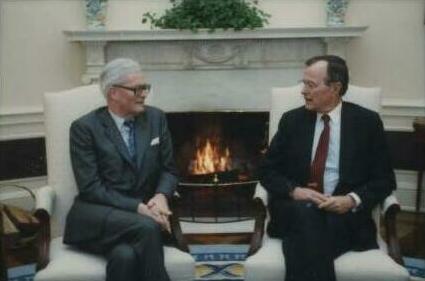
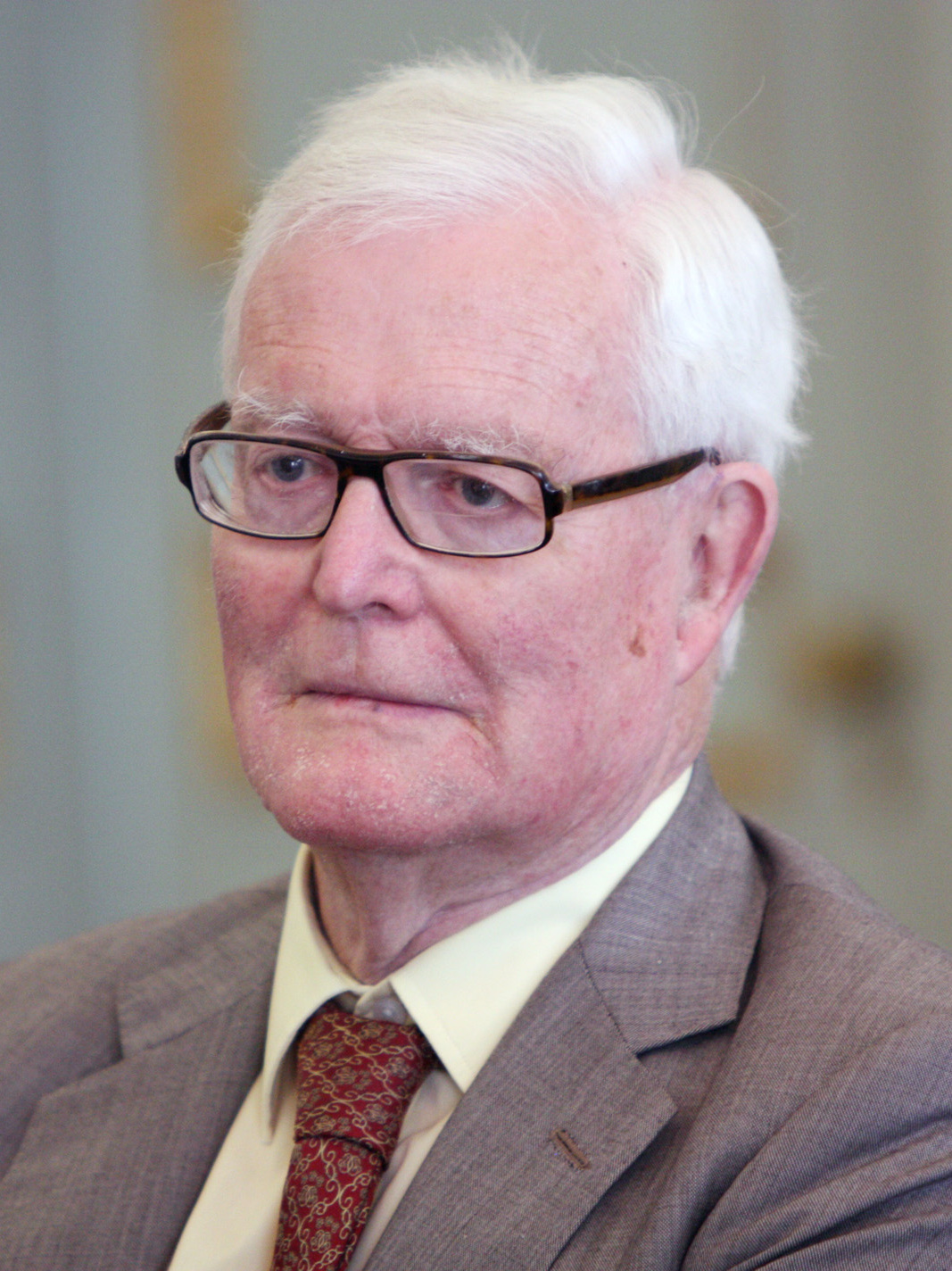

Early life and parliamentary entry
Born in the market town of Marlborough in Wiltshire, Hurd pursued a career that led him into elected politics in the early 1970s. He won his first seat at the February 1974 general election as Member of Parliament for Mid Oxfordshire (the seat later became Witney in 1983). During his early years in Parliament he established himself on foreign policy and European matters, which shaped much of his later ministerial work. He is also known for writing both political commentary and fiction, maintaining a public profile beyond parliamentary duties.
Major offices and responsibilities
Hurd held a succession of senior government posts and was the inaugural holder of the modern Minister for Europe role in 1979. His principal Cabinet appointments included:
- Minister for Europe (1979–1983), focusing on Britain's relations with the European Community and related policy.
- Secretary of State for Northern Ireland (1984–1985), a challenging brief during a period of intense political and security concerns.
- Home Secretary (1985–1989), overseeing domestic security, policing and immigration matters.
- Foreign Secretary (1989–1995), where he handled Britain's diplomatic relations across a turbulent post-Cold War landscape.
Leadership contest, retirement and House of Lords
In 1990 Hurd stood in the contest to succeed Margaret Thatcher as leader of the Conservative Party but did not win the leadership. He continued in frontline government under John Major before stepping back from the Cabinet during a reshuffle in 1995. Two years later he was elevated to the peerage as Baron Hurd of Westwell and took a seat in the House of Lords, where he remained active in debates and public affairs.
Later activities and legacy
After leaving the Commons Hurd maintained a public role as a commentator, author and party elder, and he has been associated with moderate and pro-European strands of the Conservative Party. He serves as a patron of the Tory Reform Group and frequently contributes to discussions on foreign policy, civil liberties and constitutional issues. His long ministerial record, especially in foreign affairs and domestic security, has made him a frequent reference point for subsequent ministers and historians assessing late-20th-century British government.
Notable facts and distinctions
Hurd's career is notable for its breadth of high office and for the continuity it provided across two prime ministerial administrations. His public writings, occasional speeches and participation in think-tanks and party groups have kept him in the public eye after formal retirement. For further biographical and career details, consult parliamentary records and reputable biographies that document his roles and contributions to British political life.
politician | Conservative | Parliamentary service | Thatcher government | Major government | Marlborough | Wiltshire | Home Secretary | House of Lords
Related articles
Author
AlegsaOnline.com Douglas Hurd, Baron Hurd of Westwell (born 1930) Leandro Alegsa
URL: https://en.alegsaonline.com/art/117911