
Douglas Slocombe — British cinematographer (1913–2016)
British cinematographer Douglas Slocombe OBE, BSC, ASC photographed 84 feature films over 47 years, from postwar comedies to the first three Indiana Jones movies; he lived to 103.
Douglas Slocombe (10 February 1913 – 22 February 2016) was a British cinematographer whose career in feature films spanned nearly five decades. Credited with cinematography on 84 features, Slocombe worked across genres from postwar comedies and dramas in the late 1940s and 1950s to large-scale adventures in the 1980s. He was recognized with honours and professional society memberships, including the OBE and affiliations noted by professional bodies such as the British Society of Cinematographers.
Image gallery
2 Images
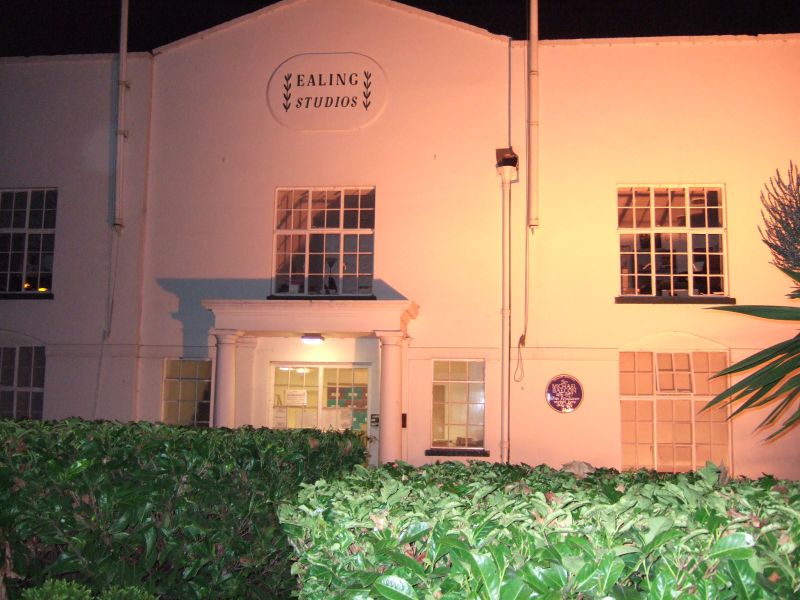
Overview and career highlights
Slocombe developed a reputation for dependable craftsmanship and visual clarity. He combined classical composition and careful lighting to serve the story rather than to call attention to technique. In the latter part of his career he photographed the first three Indiana Jones films, which brought his work to wide international audiences while continuing a long association with both studio and location production practices.
Artistry and working methods
Colleagues and critics have noted Slocombe's attention to tonal range, skin tones and naturalistic light. He was adaptable: able to light intimate interiors for comedies and period dramas as well as to manage the demands of action sequences and large sets. His approach emphasized collaboration with directors, production designers and camera teams to maintain visual consistency across long shoots.
Selected facts and legacy
- Born in 1913; died in 2016 at age 103 after complications from a fall in a London hospital.
- Photographed 84 feature films across a 47-year career.
- Honoured as OBE and associated with professional cinematography societies (see professional body listings).
- Work ranges from late-1940s comedies to major 1980s adventure films; his career is often cited as an example of sustained studio-era craftsmanship.
Slocombe's longevity meant he was active in both black-and-white and colour eras and experienced significant technological and stylistic change in filmmaking. His manner of lighting actors and framing scenes is still studied by cinematographers interested in a restrained, story-driven visual style. For a concise professional profile and credits, see a dedicated biography entry here, and for contemporary reporting on his death consult news coverage.
Beyond individual credits, Slocombe's career illustrates the role of the cinematographer in translating directorial intent into images that balance aesthetic choices with the logistical realities of commercial filmmaking. He remains a reference point for those examining mid-20th-century British cinema and its transition into modern blockbuster production.
Related articles
Author
AlegsaOnline.com Douglas Slocombe — British cinematographer (1913–2016) Leandro Alegsa
URL: https://en.alegsaonline.com/art/117916
Sources
- bscine.com : "Douglas Slocombe BSC celebrates his 100th birthday"
- bbc.co.uk : "Douglas Slocombe, Ealing comedies and Indiana Jones cinematographer, dies"
- nytimes.com : "'Indiana Jones' Cinematographer Douglas Slocombe Dies at 103"