
Dorothea Lange: Photographer of the Great Depression and Social Documentary
Dorothea Lange (1895–1965) was an American documentary photographer whose images for the Farm Security Administration and other commissions humanized poverty, migration and wartime displacement.
Overview
Dorothea Lange (May 26, 1895 – October 11, 1965) was an American documentary photographer and photojournalist whose work during the 1930s and 1940s shaped public perception of poverty, migration and displacement. Her pictures brought attention to the human cost of economic collapse and war-time policies, and they helped establish documentary photography as a force in public life.
Image gallery
9 Images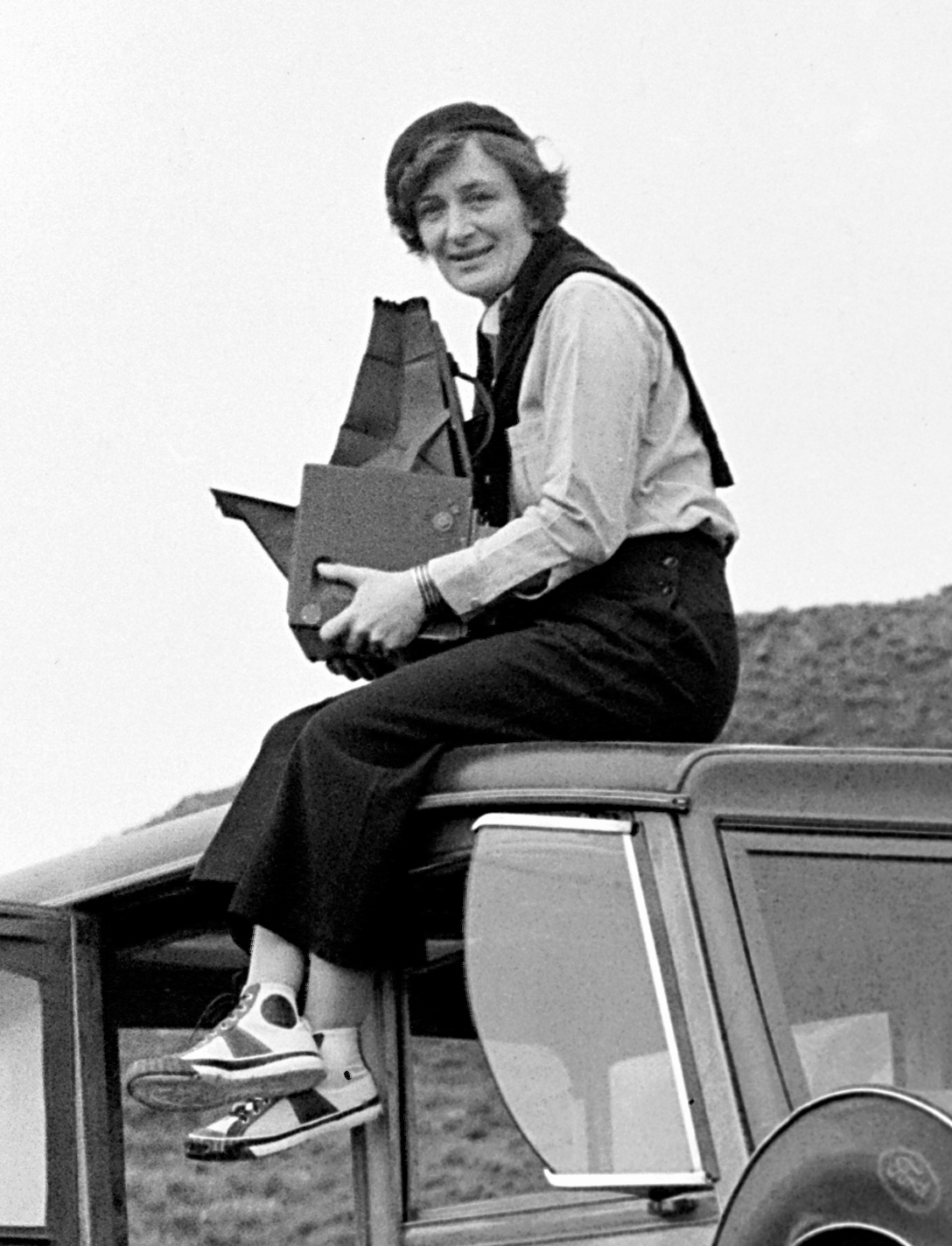


Early life and career
Lange trained and worked as a portrait photographer in San Francisco before turning to documentary work. As a child she suffered an illness that left her with a limp; this early experience with physical vulnerability has often been linked to the empathy evident in her portraits. Her background in studio portraiture contributed to a careful sense of composition and an ability to put subjects at ease, skills she applied in the field when recording everyday life under strain.
Work with the Farm Security Administration
In the mid-1930s Lange was commissioned by the U.S. government to document rural poverty and migration. Employed by the Farm Security Administration (FSA), she produced many of her best known images that illustrated reports and magazine articles about agricultural hardship and population movement. Her photograph commonly known as "Migrant Mother" (Nipomo, 1936) became an emblematic representation of Depression-era hardship and of migrant farm families; the image attracted public sympathy and is widely reproduced in historical accounts.
Japanese American relocation and wartime work
During World War II Lange photographed Japanese American families who were being forcibly relocated and confined in government camps. These images documented the disruption of lives and communities and later became part of broader discussions about civil liberties. Some of the material produced in wartime contexts was controlled by authorities for a period, and many photographs entered public and institutional collections only after review or declassification.
Style, methods, and themes
Lange favored direct, intimate compositions that emphasize faces, hands and gestures to convey individual dignity amid hardship. She combined documentary intent with formal clarity: careful framing, attention to expression, and the use of close-up portraiture to invite empathy without theatricality. Her practice balanced printmaking and publication needs, creating images intended for books, exhibitions and government reports rather than purely private or studio display.
Notable images and projects
- Migrant Mother (Nipomo, 1936) — widely reproduced as a symbol of the Great Depression
- Field and migrant worker studies — extended assignments showing living and working conditions in rural areas
- Documentation of Japanese American relocation — records of families and camp life during World War II
Legacy, collections, and critical assessment
Lange's photographs remain central to histories of American documentary practice and social photography. Her work is held in major public collections, and it continues to be reproduced in exhibitions and publications. Scholars and critics discuss her images both for their emotional power and for ethical questions about context, consent and editorial framing. Those discussions are part of broader studies of documentary photography and the visual record of the Depression-era United States.
For further research consult institutional archives and museum resources that preserve her negatives and prints, as well as scholarly analyses of photographic influence in public life and policy-making; see representative collections and commentary at scholarly and museum resources.
Related articles
Author
AlegsaOnline.com Dorothea Lange: Photographer of the Great Depression and Social Documentary Leandro Alegsa
URL: https://en.alegsaonline.com/art/117890