
Charles Perkins: Aboriginal leader, activist and public servant
Charles Nelson Perkins (1936–2000) was an influential Australian Aboriginal activist, the first Indigenous university graduate, a former footballer and the first Aboriginal head of a federal department.
Overview
Charles Nelson Perkins was a prominent Aboriginal Australian leader and activist whose work in the 1960s and beyond helped change public attitudes and government policy toward Indigenous Australians. Born in 1936, Perkins combined public campaigning, community advocacy and a long career in the federal public service. He is widely remembered for his role in the 1965 Freedom Ride, his contribution to the movement that led to the 1967 referendum, and for becoming the first Indigenous person to lead an Australian federal department.
Image gallery
2 Images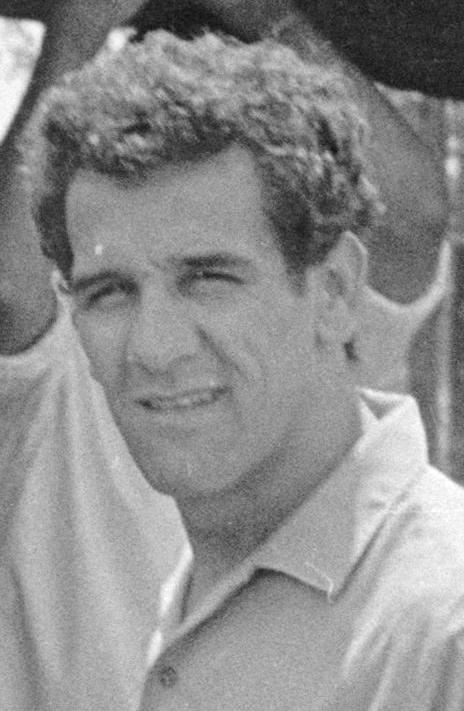
Early life and education
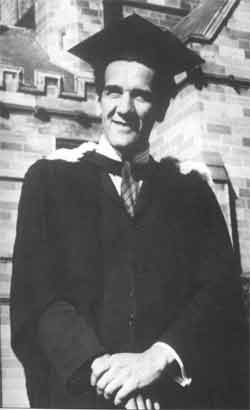
Perkins grew up in central Australia; his mother was Arrernte and his father was Kalkadoon. He spent part of his childhood in Alice Springs before moving to Sydney as a young man. While pursuing work and sport, he also undertook formal study and in 1965 graduated from the University of Sydney. His graduation was a notable milestone: Perkins is commonly cited as the first Indigenous Australian to complete a university degree.
Activism and the Freedom Ride
Perkins is best known for helping to organise and lead the 1965 Freedom Ride, a bus tour through rural New South Wales that exposed discriminatory practices in towns and institutions. The group documented poor housing, restricted access to services, segregated public facilities and other inequities faced by Aboriginal communities. The campaign used publicity to draw national attention to conditions that many Australians had not seen or acknowledged, and it helped galvanise public support for legal and social reform.
1967 referendum and public campaigning
The activism of Perkins and his contemporaries contributed to the environment in which the 1967 referendum was held. That referendum removed discriminatory provisions from the Australian Constitution that had excluded Aboriginal people from being counted in the census and constrained the federal parliament’s ability to legislate for Indigenous affairs. The referendum is seen as a turning point in official recognition and a foundation for subsequent policy changes.
Public service career
After his early campaigning, Perkins entered the public service where he worked on Indigenous policy. He joined the Ministry (later Department) of Aboriginal Affairs in the late 1960s and rose through senior ranks. In 1981 he was appointed permanent secretary of the department, making him the first Aboriginal person to serve as the permanent head of an Australian federal government department; he held senior leadership roles until the late 1980s. In that capacity he sought to shape programs and advise governments on practical approaches to health, education and land rights.
Sport, public persona and legacy
Before and alongside his public work, Perkins played football professionally, an experience that contributed to his public profile and connections across communities. He became a familiar public figure — a speaker, negotiator and advocate — who moved between grassroots activism and formal institutions. He mentored younger Indigenous leaders and remained a visible voice on issues ranging from land rights to social justice. Perkins died in October 2000 of kidney failure; his death prompted reflection on his contributions and on the ongoing challenges facing Indigenous Australia.
Notable distinctions and continuing significance
Several aspects of Perkins’s life are often highlighted: his role in bringing national attention to rural discrimination; his symbolic and practical significance as a university graduate and senior public servant; and his ability to work across activism and bureaucracy. His life illustrates both the social barriers Indigenous Australians faced in the mid-20th century and the ways determined advocacy and public engagement can influence law and policy.
Further reading and sources
- Biographical overview and timeline
- Accounts of Perkins’s sporting career
- Early life in Alice Springs
- Move to Sydney and community activities
- University of Sydney alumni records
- Freedom Ride documentation and interviews
- Health and social policy work
- Reports on discrimination highlighted during campaigns
- Background on the 1967 referendum
- Parliamentary records and legal context
- Ministry/Department of Aboriginal Affairs history
- Reports on Perkins’s later life and death
Questions and answers
Q: Who was Charles Nelson Perkins?
A: Charles Nelson Perkins was an Australian activist and Aboriginal leader, as well as a professional football player.
Q: Where did he grow up?
A: He grew up in Alice Springs.
Q: What were his parents' backgrounds?
A: His mother was Arrernte and his father was Kalkadoon.
Q: What university did he graduate from?
A: He graduated from the University of Sydney in 1965.
Q: What campaign did he take part in to raise awareness of Aboriginal people's living conditions?
A: In 1965, he took part in the Freedom Ride campaign, which aimed to raise public awareness of the standards of living, literacy and health conditions among the Aboriginal population.
Q: What happened during the 1967 referendum that allowed for special laws specifically for Aboriginal people?
A: During the 1967 referendum, it was decided that Aboriginal people would be counted in censuses and parliament could make special laws specifically for them.
Q: What position did Perkins hold at the Ministry of Aboriginal Affairs?
A: From 1969 onwards, Perkins worked as a permanent secretary at the Ministry of Aboriginal Affairs, making him the first Indigenous Australian to become head of a federal government department.
Related articles
Author
AlegsaOnline.com Charles Perkins: Aboriginal leader, activist and public servant Leandro Alegsa
URL: https://en.alegsaonline.com/art/116231