
Charles Stewart Parnell
Irish nationalist leader (1846–1891) who led the Irish Parliamentary Party, advanced land reform and Home Rule, and whose career ended after a personal scandal that split the movement.
Overview
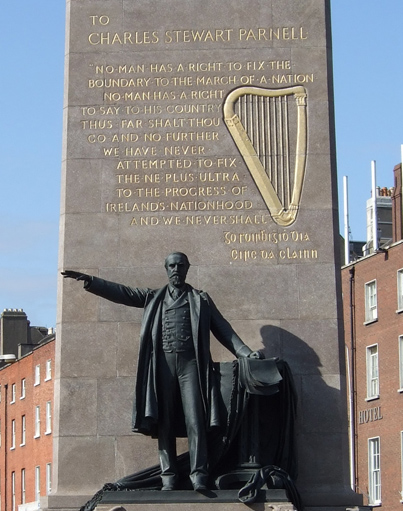
Charles Stewart Parnell (27 June 1846 – 6 October 1891) was an Irish nationalist statesman and a prominent member of Parliament. He sat in the House of Commons and became leader of the Irish Parliamentary Party, transforming Irish agitation into a disciplined political force that pressed for legislative autonomy known as Home Rule.
Image gallery
8 Images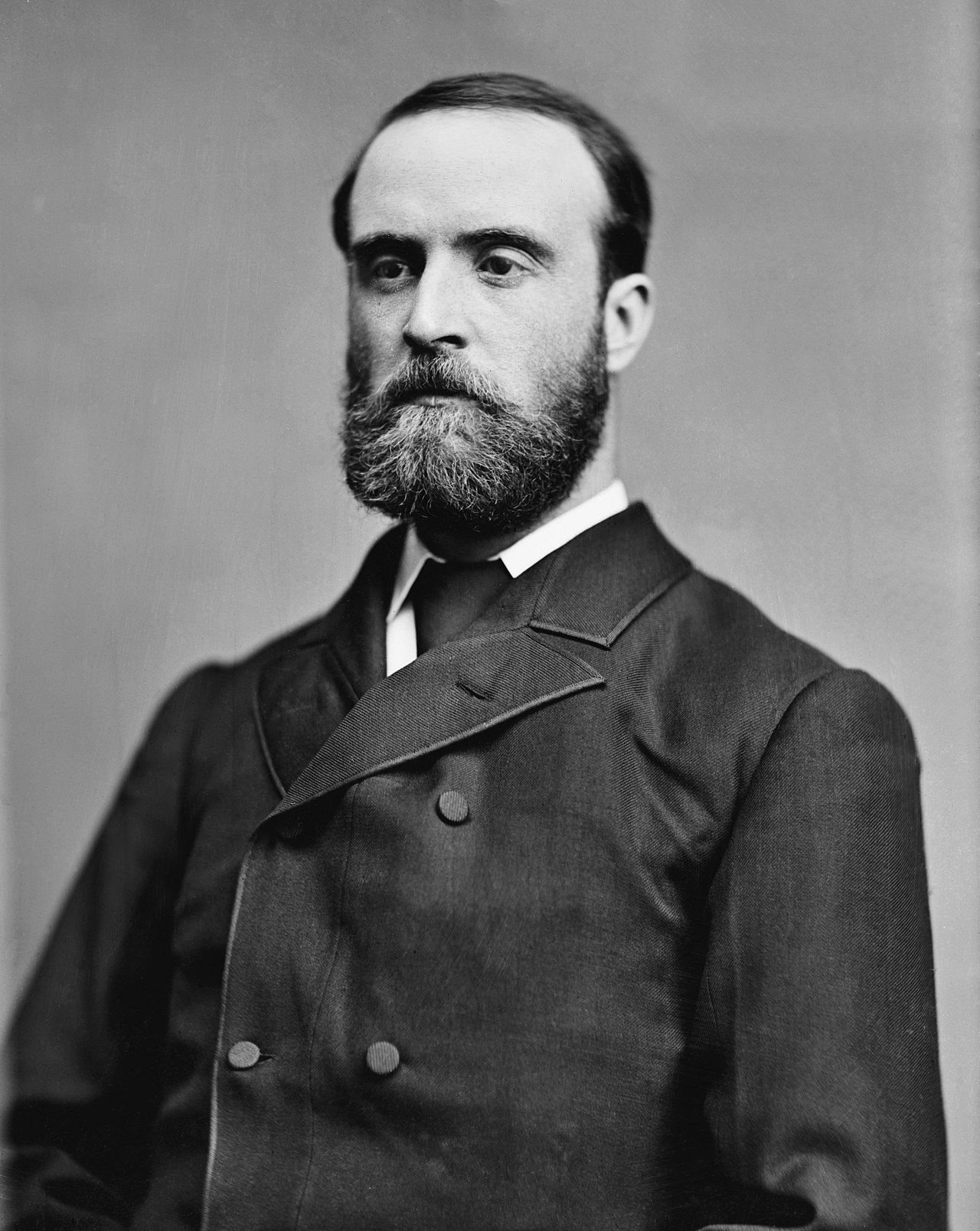



Political style and organisation
Parnell is widely credited with creating a tightly organised parliamentary party that used coordinated voting, persuasive oratory and strategic cooperation with sympathetic British politicians. He insisted on party unity and applied pressure both inside Westminster and through popular movements in Ireland. His political methods combined constitutional tactics with support for mass mobilization among tenant farmers.
Land reform and parliamentary tactics
During the 1870s and 1880s Parnell played a central role in campaigns for tenant rights and against landlord practices. He associated with agrarian protests and the movement that became known as the Land League, seeking fair rents and security of tenure. In Parliament he used obstruction, alliance-building and negotiation to keep Irish questions on the British agenda.
Downfall and party split
Parnell's career ended abruptly after a public scandal in 1890 when his long-standing relationship with Katharine O'Shea became the subject of a widely reported divorce case. The revelation divided his supporters and opponents, fractured the Irish Parliamentary Party and weakened the immediate prospects for Home Rule. He retained personal loyalty from many followers but lost critical political support.
Legacy and significance
Though he died in 1891 at the height of political turmoil, Parnell is remembered as a pivotal figure who professionalised Irish parliamentary nationalism and forced British parties to confront Irish demands. His emphasis on organisation, discipline and parliamentary leverage influenced later Irish leaders and helped make Home Rule a central issue of British politics.
Key points
- Transformed parliamentary representation for Ireland into a cohesive political instrument.
- Linked parliamentary action with popular movements for land reform.
- Allied tactically with British Liberals to promote Home Rule.
- Political career was curtailed by a personal scandal that split his party.
Questions and answers
Q: Who was Charles Stewart Parnell?
A: Charles Stewart Parnell was an Irish politician and member of the House of Commons of the United Kingdom.
Q: What political party did Parnell lead?
A: Parnell led the Irish Parliamentary Party.
Q: What was Parnell's role in the fight for Home Rule for Ireland?
A: Parnell played an important part in the fight for Home Rule for Ireland.
Q: When was Parnell born and when did he die?
A: Parnell was born on June 27, 1846 and died on October 6, 1891.
Q: What is the House of Commons of the United Kingdom?
A: The House of Commons of the United Kingdom is the lower house of the Parliament of the United Kingdom.
Q: Was Parnell only involved in politics or did he have other interests?
A: The text does not provide information on whether Parnell had other interests besides politics.
Q: How is Parnell remembered in Irish history?
A: Parnell is remembered in Irish history for his leadership in the fight for Home Rule for Ireland.
Related articles
Author
AlegsaOnline.com Charles Stewart Parnell Leandro Alegsa
URL: https://en.alegsaonline.com/art/116240