
Charles Haddon Spurgeon — 19th‑century English Baptist preacher and writer
Charles H. Spurgeon (1834–1892) was a prominent English Baptist preacher, prolific author, and founder of institutions for training ministers and caring for children; known as the 'Prince of Preachers'.
Overview
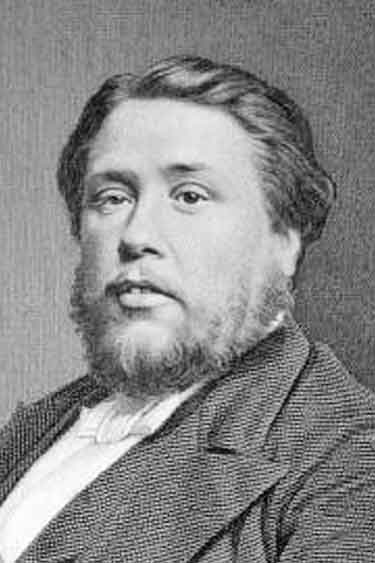
Charles Haddon Spurgeon (19 June 1834 – 31 January 1892) was an English Baptist minister and preacher who became one of the most widely heard and read evangelical figures of the 19th century. Often called the "Prince of Preachers," Spurgeon led a large congregation at the Metropolitan Tabernacle in London and published sermons and devotional works that were distributed broadly and translated into many languages. His public ministry, pastoral leadership, and printed writings left a lasting mark on Protestant devotional literature and Baptist life.
Image gallery
10 Images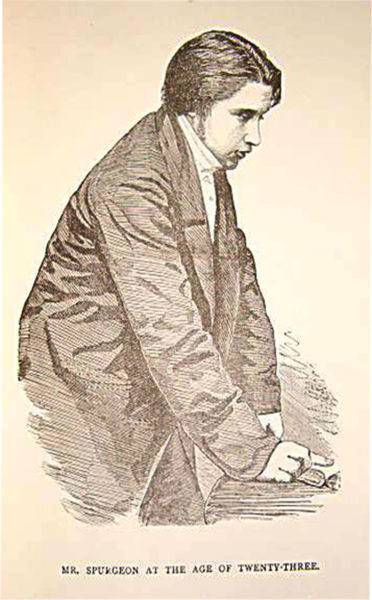


Ministry and public preaching
Spurgeon served as the pastor of the Metropolitan Tabernacle for nearly four decades, where his pulpit ministry attracted listeners from London and beyond. He was known for preaching frequently and for drawing large crowds; his church grew into one of the most visible Baptist congregations in Britain. In published accounts and collected volumes his preaching was noted for clear exposition, vivid illustration, and direct application to daily life. He combined pastoral concern with the rigours of evangelism and public oratory.
Writings, style, and influence
Spurgeon was a prolific writer. His sermons were collected and printed extensively, appearing in multi‑volume series now referred to as Spurgeon’s Sermons. He also produced devotional works, commentaries, and practical guides for pastors and laypeople. These publications were translated into numerous tongues and helped spread his influence beyond the United Kingdom. Readers and students often point to his combination of scriptural fidelity, pastoral warmth, and rhetorical conviction as central to his lasting appeal. His literary output remains a significant resource for those studying Victorian evangelicalism and homiletics.
Institutions, charities, and practical initiatives
Beyond pulpit ministry, Spurgeon founded and supported several institutions aimed at training ministers and caring for vulnerable children. He established a pastors’ training school that later became known as a college, and he promoted orphanages and social ministries to meet material as well as spiritual needs. The charity work he began continued after his death and has evolved into modern organizations carrying his name and mission into new contexts. Examples of these initiatives include educational, charitable, and publishing efforts associated with his name.
Controversies and personal struggles
Spurgeon’s theological convictions and public statements brought him into dispute at times with other leaders and organizations in the Baptist community. His disagreements over doctrinal direction and church practice led to a public rift with the wider union of Baptist churches, a dispute that figures prominently in biographies of his later ministry. He also experienced recurring periods of depression and other health challenges, which affected him privately and in his public work. Despite these struggles he maintained a high level of activity as a pastor and author until his health declined.
Legacy and notable facts
Spurgeon is remembered for his intense pastoral commitment, voluminous published sermons, and the institutions he founded. His name remains associated with the Metropolitan Tabernacle in London, a legacy of printed sermons and devotional books, and charitable projects that continued after his death. Key items often cited in overviews of his life include:
- Metropolitan Tabernacle — his long‑term pastorate and pulpit platform
- Charitable foundations he initiated to care for orphans and the poor
- Training institutions for ministers and lay workers
- Collections of sermons and devotional works widely known in evangelical circles (translations and reprints)
For readers who wish to explore further, collections of Spurgeon’s sermons and biographical studies provide extensive primary material and analysis. His life illustrates both the reach of Victorian evangelical preaching and the tensions that arise when a highly visible minister engages a changing religious landscape. Additional perspectives on his theology, pastoral practice, and social work are available in specialist biographies and historical studies of 19th‑century British Christianity (denominational histories, translations and reception). Other resources include accounts of the controversies he faced (public disputes, Baptist Union relations), modern continuations of his charitable legacy (successor organizations, health and pastoral care), and institutional histories (published archives, sermon collections, global outreach)."
Questions and answers
Q: Who was Charles Haddon (C.H.) Spurgeon?
A: Charles Haddon (C.H.) Spurgeon was an English Baptist preacher who is still known today as the "Prince of Preachers".
Q: How many people did Spurgeon preach to in his lifetime?
A: In his lifetime, Spurgeon preached to about 10 million people.
Q: How often did he preach?
A: He would often preach 10 times a week at different places.
Q: What languages have his sermons been translated into?
A: His sermons have been translated into many languages.
Q: How long was he pastor of the Metropolitan Tabernacle in London?
A: He was pastor of the Metropolitan Tabernacle in London for 38 years.
Q: What denomination did he eventually leave?
A: He eventually had to leave the Baptist Union of Great Britain denomination.
Q: What charity organisation did he start in 1857?
A: In 1857, he started a charity organisation called Spurgeon's which works all over the world.
Related articles
Author
AlegsaOnline.com Charles Haddon Spurgeon — 19th‑century English Baptist preacher and writer Leandro Alegsa
URL: https://en.alegsaonline.com/art/116239
Sources
- books.google.com : Biographical dictionary of literary influences: the nineteenth century, 1800-1914
- books.google.com : Spurgeon: prince of preachers
- books.google.com : Charles Haddon Spurgeon: a preacher's progress