
Charles III of Spain: Bourbon Reformer and Patron of the Arts
King Charles III (1716–1788) was a Bourbon monarch who ruled Naples and Sicily before becoming king of Spain. He is remembered for administrative reforms, Enlightenment patronage, and major architectural projects.
Overview
Charles III (born 20 January 1716 — died 14 December 1788) was a member of the Spanish Bourbon dynasty who became one of the most influential rulers of 18th‑century Spain. He served earlier as ruler of several Italian states before succeeding to the Spanish throne, and his reign is widely associated with enlightened absolutism: a mix of centralized authority and reform inspired by Enlightenment ideas. He reigned as king of Spain from 1759 until his death, and was the son of King Philip V and Queen Elisabeth Farnese.
Image gallery
10 Images





Early life and Italian reign
Raised largely in Madrid (Madrid), Charles was sent to Italy as a young man and ruled the duchies of Parma and Piacenza. At age sixteen he began an independent rule in Parma and later, through the diplomatic settlements of the War of the Polish Succession, became king of Naples and Sicily, where he was styled Charles VII of Naples and Charles V of Sicily. In Italy he pursued administrative reforms, promoted public works, and developed a reputation as a capable ruler. He married the princess Maria Amalia of Saxony, and together they had a large family; several of their thirteen children survived to adulthood (see children).
Reforms and government
On ascending the Spanish throne, Charles set about modernizing state institutions. He supported reforms that sought to increase efficiency and royal revenue, strengthen the armed forces and navy, reform colonial administration and trade, and encourage agricultural and industrial development. These measures are often grouped under the term "Bourbon Reforms." The king favored capable ministers and technocrats and showed an interest in science and rational administration. His style combined a firm royal hand with selective adoption of Enlightenment principles.
Patronage, architecture and public works
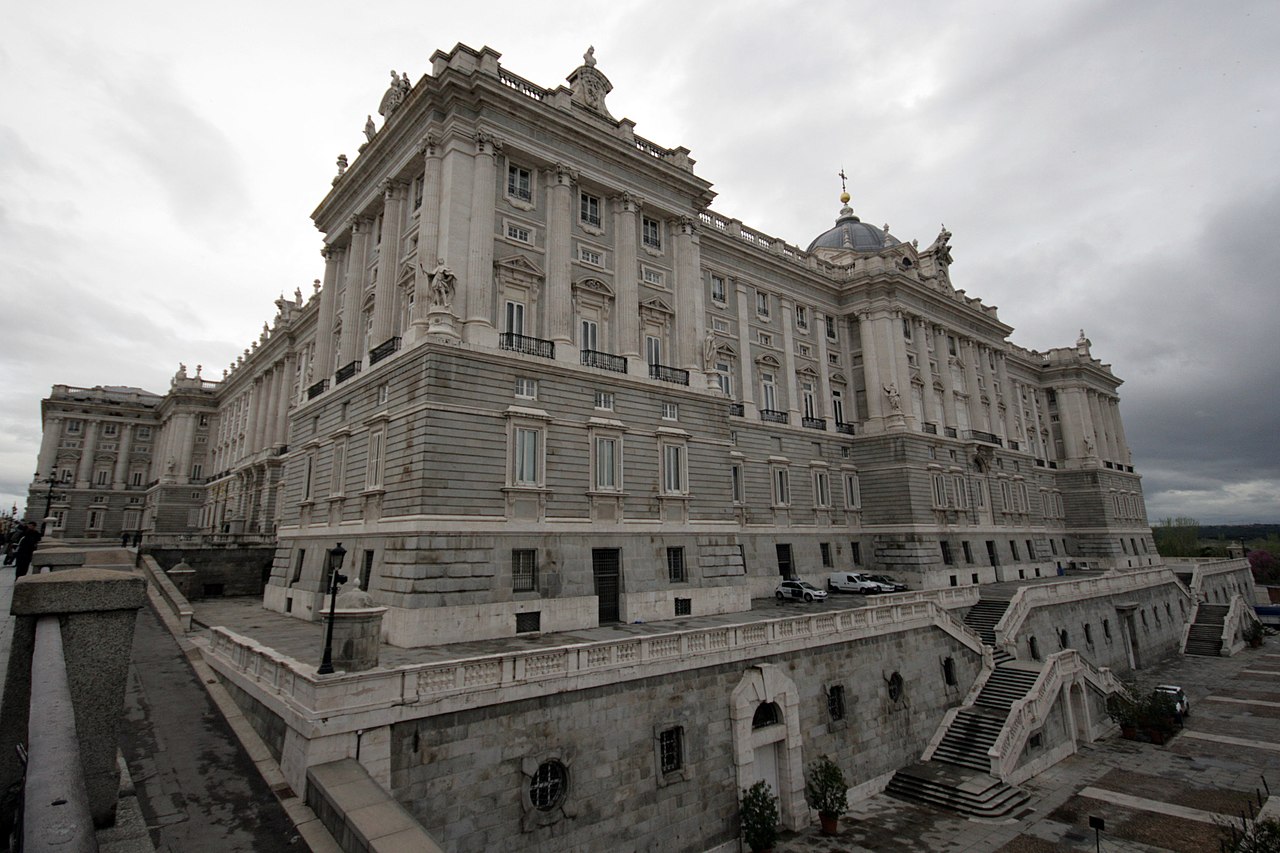
Charles was a notable patron of architecture and urban projects. He commissioned grand palaces and institutions intended to express royal power and modernity: the expansive Palace of Caserta near Naples, important works on the Royal Palace of Madrid, and charitable foundations such as Naples’ Real Albergo dei Poveri. These projects reflected both Baroque and neoclassical tastes and aimed to reorganize court life, administrative space, and public services.
Legacy and notable facts
Charles III left a mixed but significant legacy. He strengthened the Bourbon monarchy, encouraged economic and cultural renewal, and left Spain with improved institutions that shaped the later 18th century. Critics note that centralizing policies sometimes provoked resistance, and some colonial reforms had unintended social consequences. Upon his death his son became king as Charles IV.
- Origins: son of Philip V and Elisabeth Farnese.
- Italian period: duke of Parma and Piacenza (Piacenza) and king of Naples and Sicily before ascending the Spanish throne.
- Titles: held ducal and royal styles including the title Duke in Italy.
- Family: married Maria Amalia of Saxony; fathered a number of children (children).
For further reading on Charles III’s policies, architecture, and role in the Bourbon reforms, consult specialized histories and archival sources that examine the political, economic, and cultural transformations of 18th‑century Spain and its territories. Birth record, death notices, and additional documentary material can provide more precise chronological details.
Related articles
Author
AlegsaOnline.com Charles III of Spain: Bourbon Reformer and Patron of the Arts Leandro Alegsa
URL: https://en.alegsaonline.com/art/116205
Sources
- britannica.com : "Charles III"