
Elisabeth Farnese: Queen of Spain and architect of Bourbon Italian policy
Elisabeth Farnese (1692–1766), queen consort of Spain, managed court politics and foreign policy to secure Italian thrones for her children and acted as regent during a royal succession.
Elisabeth Farnese (born 25 October 1692 – died 11 July 1766) was an Italian princess who became queen consort of Spain and a dominant figure in Spanish politics during the first half of the 18th century. Married in 1714 to Philip V of Spain, she exercised sustained influence at court, promoted a pro‑Italian foreign policy, and worked to obtain territorial and dynastic advantages for her children.
Image gallery
6 Images
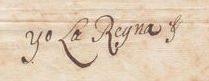


Early life and marriage
Born into the Farnese ducal family of Parma, Elisabeth was the daughter of Odoardo Farnese and Dorothea Sophie of Neuburg. After the early death of Philip V’s first wife, Maria Luisa of Savoy, Elisabeth married the king in December 1714. From the marriage she bore several children who later came to play important roles in European dynastic politics.
Political role and ambitions
Elisabeth was not a passive consort. She cultivated networks at court, relied on trusted ministers, and shaped Spain’s diplomacy toward the Italian states. Her principal aim was to recover or secure Italian territories for Bourbon family members, reversing some of the losses Spain had suffered after the War of the Spanish Succession. In pursuit of this objective she supported military and diplomatic efforts across the peninsula and in the Mediterranean.
Children, dynastic outcomes and examples
- Her eldest son, later Charles, was established in southern Italy and ruled as King of Naples and Sicily before acceding to the Spanish throne; when he left Naples to take up the Spanish crown, Elisabeth briefly served as Regent during that transition.
- Another son eventually became Duke of Parma, ensuring the Farnese inheritance remained connected to the Bourbon line.
- Her personal diplomacy and marriage arrangements illustrate how queens could advance state and family objectives in the 18th century.
Later years and regency
Elisabeth retained political influence through the reign of Philip V and beyond; she remained an important adviser until his death in 1746 and continued to steer Spanish interests after that date. In 1759, when her son became king of Spain and departed from Naples to assume his new throne, she acted briefly in a regental capacity to oversee the succession and the transfer of power. Plans at different moments linked her personally with other dynastic opportunities—there were even proposals that she might marry Victor Amadeus, the Prince of Piedmont, though this marriage never took place (see proposal).
Legacy and notable facts
Elisabeth Farnese is remembered as a forceful and pragmatic political actor whose determination reshaped Spain’s Mediterranean policy and secured Italian positions for her descendants. Contemporary observers often described her as ambitious and directive; later historians balance that assessment by noting her effectiveness in protecting dynastic interests during a turbulent period of European power politics. Her life illustrates the political possibilities available to a queen consort in the age of dynastic states.
Key topics for further study include her collaboration with ministers and generals, the consequences of Spain’s Italian policy for European diplomacy, and the succession arrangements that linked the Bourbon houses of Spain and Italy. For context, readers may consult sources on the Spanish monarchy and the political landscape of early‑18th‑century Italy.
Questions and answers
Q: Who was Elisabetta Farnese?
A: Elisabetta Farnese was the second wife of Philip V of Spain.
Q: When did she marry Philip V?
A: She married Philip V in December 1714.
Q: How long did she have influence over the state?
A: She had influence over the state until her husband's death in 1746.
Q: What happened when her eldest son Charles III became king?
A: When her eldest son Charles III became king, she acted as Regent in 1759 while he was travelling from Naples.
Q: Was there a plan for Elisabetta to marry someone else after Philip V's death?
A: Yes, there were plans for her to marry Victor Amadeus, Prince of Piedmont but the marriage never occurred.
Q: When did Maria Luisa of Savoy die?
A: Maria Luisa of Savoy died in February 1714.
Q: When did Elisabetta Farnese die?
A:Elisabetta Farnese died on 11 July 1766.
Author
AlegsaOnline.com Elisabeth Farnese: Queen of Spain and architect of Bourbon Italian policy Leandro Alegsa
URL: https://en.alegsaonline.com/art/137941