
Charles de Gaulle
French general and statesman who led Free France in WWII, headed the provisional government, founded the Fifth Republic and served as president (1959–1969), known for Gaullism and national independence.
Overview
Charles André Joseph Marie de Gaulle (22 November 1890 – 9 November 1970) was a French army officer, wartime leader and statesman whose ideas and actions shaped mid-20th century France. He emerged as the most visible leader of Free France during the Second World War, rejected the 1940 armistice with Germany, and became the voice of French resistance in exile. After liberation he chaired the provisional government and later returned from political retirement in 1958 to design a new constitution, becoming the principal architect of the Fifth Republic and serving as its president from 1959 to 1969.
Image gallery
10 Images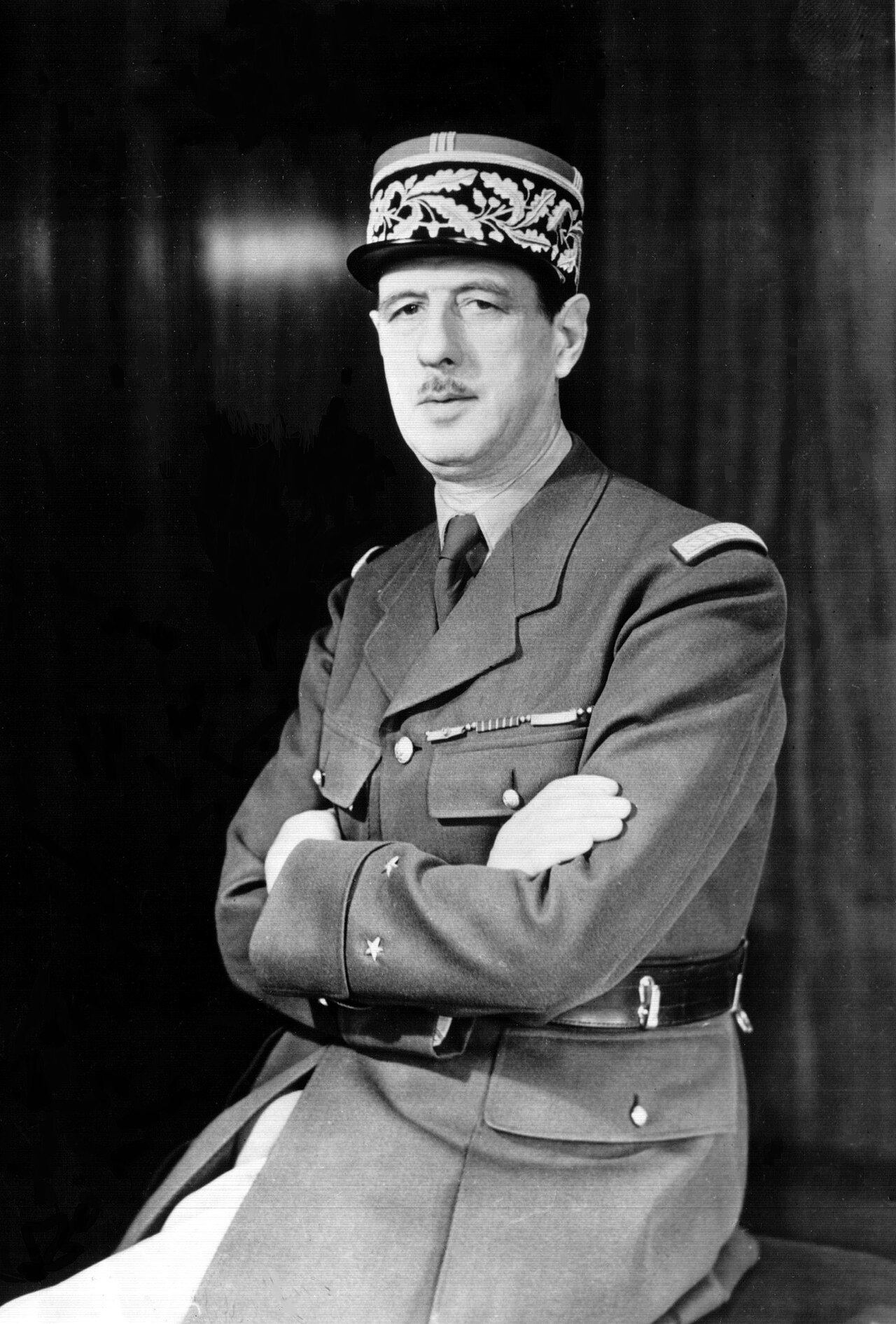


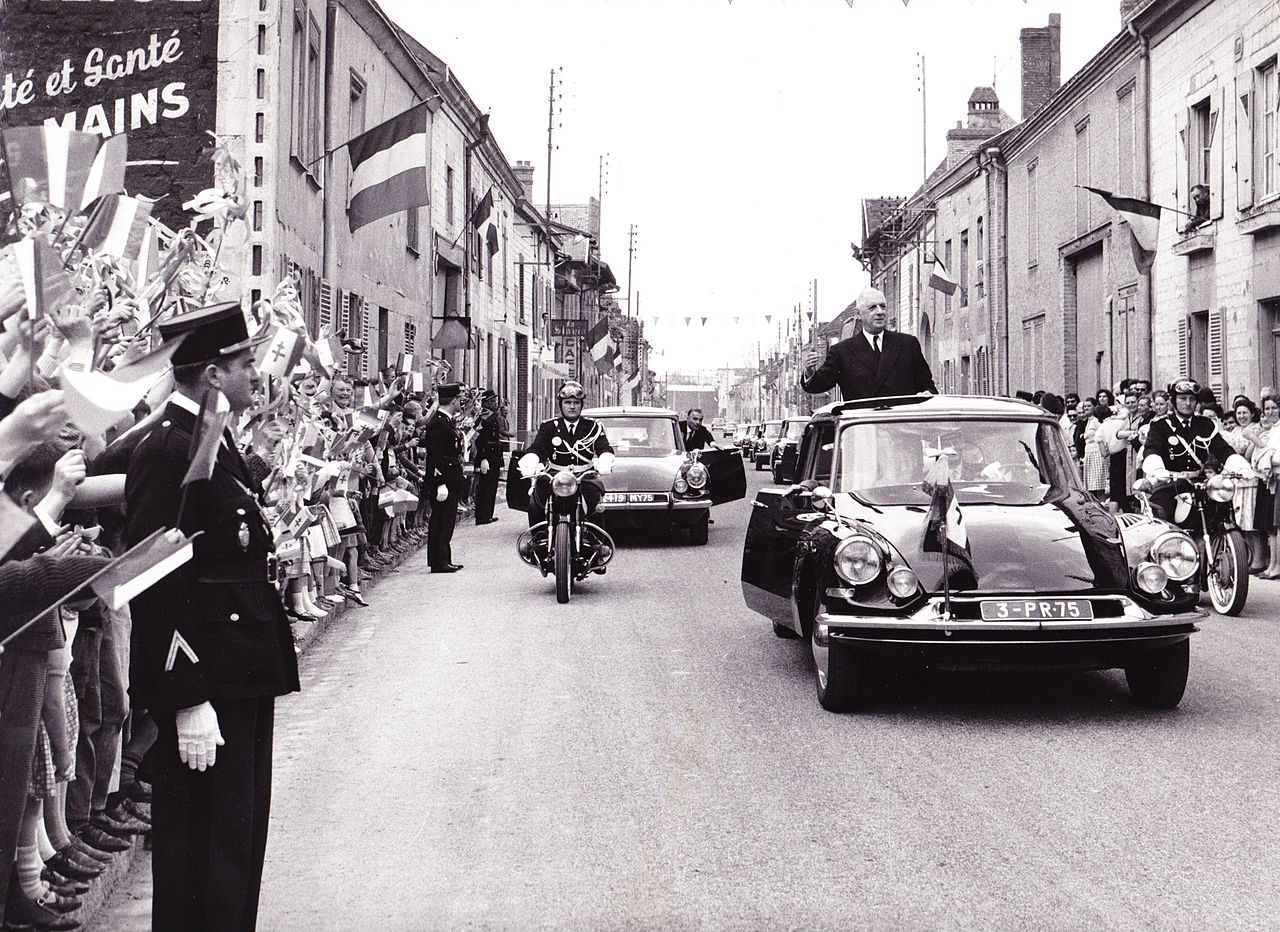


Early life and military career
Born into a conservative Catholic family in Lille, de Gaulle trained as an infantry officer and served with distinction in the First World War. Between the wars he wrote on military theory and advocated mobile armoured forces, producing analyses that won a measure of attention among professional soldiers. His experiences in the 1920s and 1930s shaped a view of the state and strategy that emphasized national independence and a strong executive role for the head of state.
World War II and Free France
In 1940, after France’s defeat, de Gaulle refused to accept the terms offered by the armistice regime and made a public appeal from London to continue the fight. He organized Free French forces, sought to maintain French sovereignty and rallied colonial and resistance elements to the Allied cause. His stature grew as he represented an alternative to Vichy collaboration and later participated in political negotiation during liberation.
Provisional government and the Fourth Republic
After the liberation of France he presided over the provisional government (1944–1946), overseeing the re-establishment of republican institutions, administrative reform and preparations for postwar reconstruction. De Gaulle resigned in 1946 amid disputes over the balance of power between the legislature and executive and spent a period in the 1950s largely outside active politics, while remaining an influential national figure.
Return to power and the Fifth Republic
In 1958, facing crisis during the Algerian War, political leaders turned to de Gaulle to restore order. He proposed and secured a new constitution that strengthened the presidency and created the Fifth Republic. As president he sought stability through a strong executive, guided public investment and modernization, and advocated a France able to act independently on the world stage.
Decolonization and Algeria
One of de Gaulle’s most consequential and controversial decisions was to accept the inevitability of Algerian independence and to pursue negotiated settlement. The move ended a major colonial conflict but provoked bitter opposition among settlers and some military figures in Algeria, including violent campaigns by extremist groups. The decision altered France’s political landscape and its relation to former colonies.
Economic and foreign policy
During his presidency France experienced sustained economic growth often associated with the postwar boom known in France as the Trente Glorieuses. De Gaulle favoured state-led modernization, selective planning and infrastructure investment to raise living standards. On foreign policy he pursued independence from both superpower blocs, developed a national nuclear deterrent, reduced France’s participation in NATO’s integrated command structure and promoted a vision of Europe that preserved national sovereignty.
1968, resignation and death
Domestic unrest in May 1968, combining student protest and a general strike, tested de Gaulle’s authority; he survived the immediate crisis but political momentum shifted. In 1969 he staked his political future on a referendum on regional reform and Senate changes; when the proposal was rejected he resigned. He died in 1970, leaving a contested but enduring imprint on French institutions and identity.
Legacy and interpretation
De Gaulle is remembered for the doctrine known as Gaullism, which emphasizes national independence, a strong state and a presidency with significant authority. Admirers credit him with restoring France’s international stature and rebuilding effective state institutions after the war; critics point to an authoritarian personal style and tensions with party politics and parliamentary pluralism. His career generated both admiration and hostility, and episodes such as assassination attempts and clandestine plots have entered cultural imagination.
Further reading and resources
- Biographical summaries and general overviews
- Provisional government and postwar institutional records
- Accounts and studies of the Algerian conflict
- Analyses of the 1958 constitutional reform and the Fifth Republic
- Materials on decolonization and its social effects
- Cultural responses and fiction inspired by events of the period
- Literary and film studies referencing assassination plots
- Economic histories covering the postwar boom
- Collections on French diplomatic and defence policy
Related articles
Author
AlegsaOnline.com Charles de Gaulle Leandro Alegsa
URL: https://en.alegsaonline.com/art/116184