
Charles Emmanuel III, King of Sardinia (1701–1773)
Charles Emmanuel III (1701–1773) was Duke of Savoy and King of Sardinia from 1730. His long reign combined military leadership, administrative reforms, and stewardship of the House of Savoy's territories.
Charles Emmanuel III (27 April 1701 – 20 February 1773) was Duke of Savoy and King of Sardinia from 1730 until his death. A member of the House of Savoy, he presided over the kingdom during a turbulent period of European conflict and gradual state consolidation, leaving a reputation as an able military commander and a pragmatic ruler.
Image gallery
6 Images


Background and accession
Born into the Savoyard dynasty, Charles Emmanuel succeeded his father as sovereign in 1730. He inherited a state with both Italian and Alpine territories, centered on Turin, that required careful diplomacy to protect its interests between larger powers such as France, Austria and Spain. His accession ended a period of dynastic maneuvering and established a durable personal rule.
Military activity and diplomacy
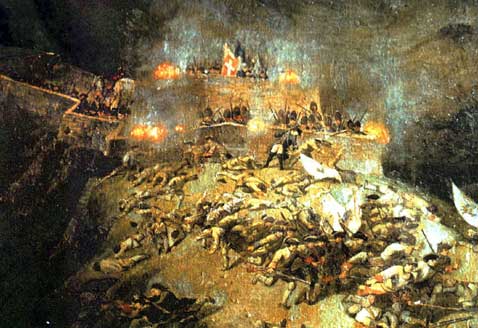
Charles Emmanuel's reign overlapped with major 18th‑century conflicts. He led Sardinian forces in contests such as the War of the Polish Succession and the War of the Austrian Succession, negotiating shifting alliances to preserve or recover territory and influence. He is generally regarded as a capable soldier-king who balanced battlefield aims with cautious diplomacy to avoid overextension.
Domestic policy and reforms
At home Charles Emmanuel pursued policies to strengthen the state's administration and finances. He reorganized aspects of the army, promoted fiscal discipline, and supported infrastructure and public works centered on Turin. His government worked to centralize authority, improve judicial and bureaucratic efficiency, and encourage economic activity—measures that helped stabilize the kingdom after years of war.
Legacy and significance
Ruling for more than four decades, Charles Emmanuel III left the kingdom better prepared to face later challenges. He maintained the territorial integrity of his realms, enhanced the professional character of the Savoyard army, and supported the institutions of government that his successors would inherit. He was succeeded by his son, Victor Amadeus III, and is remembered as a steady and pragmatic monarch in the history of the Italian states.
- Reign: 1730–1773
- Roles: Duke of Savoy, King of Sardinia
- Notable for: military leadership, administrative reform, dynastic continuity
Related articles
Author
AlegsaOnline.com Charles Emmanuel III, King of Sardinia (1701–1773) Leandro Alegsa
URL: https://en.alegsaonline.com/art/116190