
Charles VI of France (1368–1422): reign, mental illness, and political crisis
Charles VI (1368–1422), king from 1380, whose recurrent mental illness and the resulting factional struggles shaped late medieval France during the Hundred Years' War.
Overview
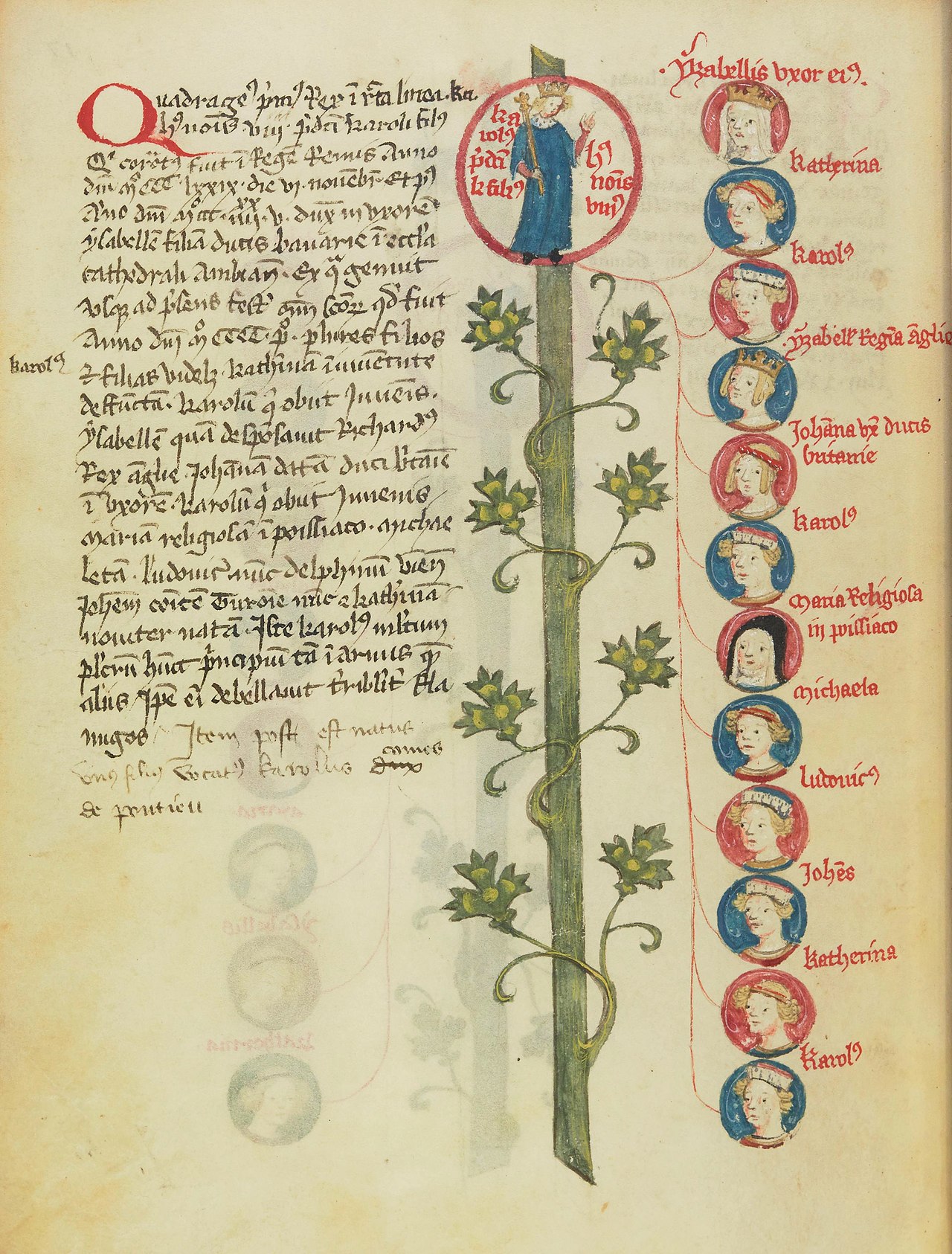
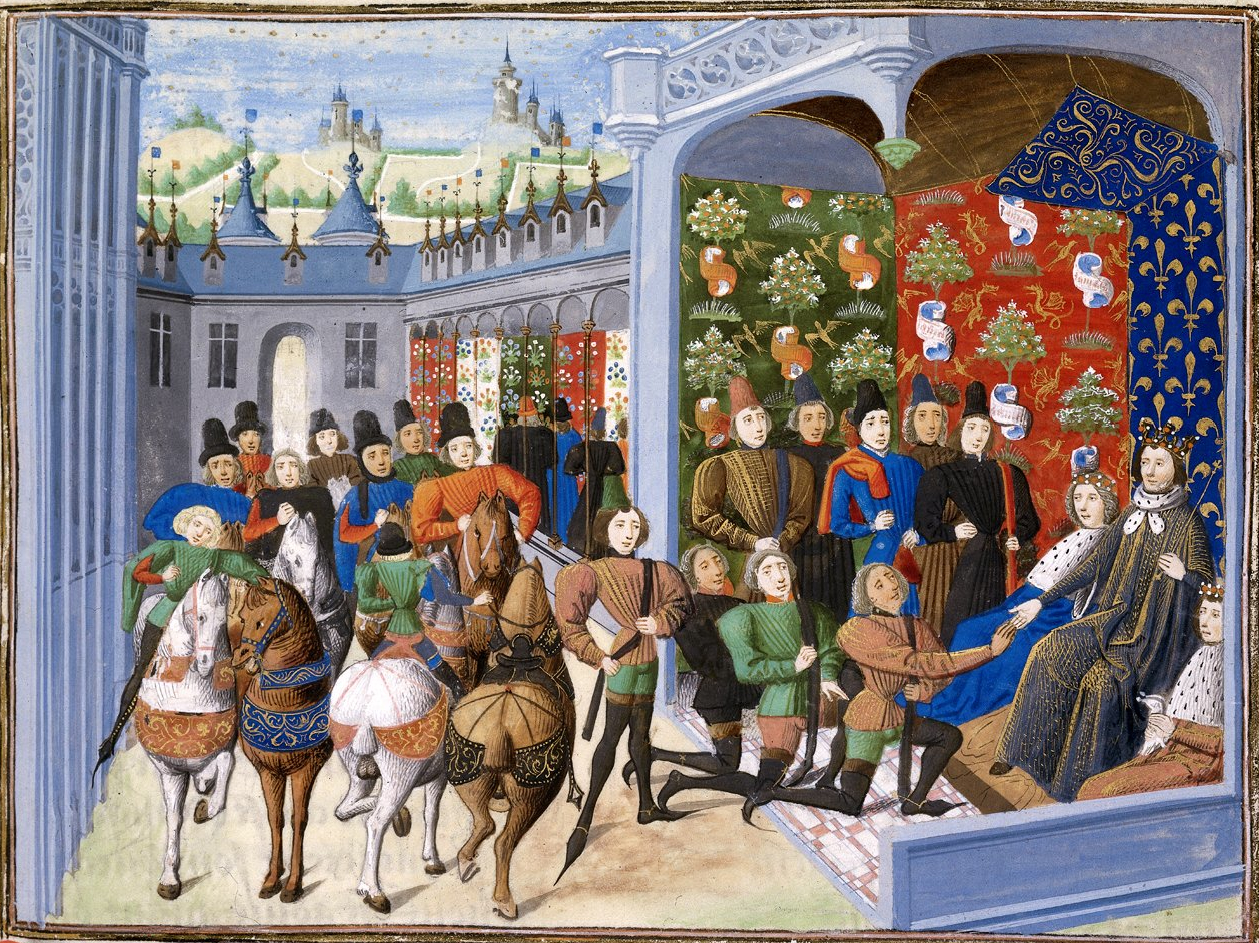
Charles VI, born 3 December 1368 and deceased 21 October 1422, was King of France. He ascended the throne as a boy and his lengthy reign, which began in 1380, covered a turbulent period of internal rivalries and renewed conflict with England. His time on the throne is often remembered for alternating stretches of government and incapacity caused by recurring mental illness, and for the civil strife that followed.
Image gallery
10 Images





Early life and succession
Charles became King of France while still a minor; his formal rule is commonly dated as beginning in 1380. During his minority a royal council and powerful uncles took responsibility for governance, a normal practice for young medieval monarchs. As he reached adulthood, Charles sought to assert authority, but the crown’s finances and the kingdom’s foreign commitments left limited room for strong personal rule.
Mental illness and behavior
During his adult life Charles experienced repeated episodes of severe mental disturbance. Scholars generally point to the first major attack in the 1390s and to multiple relapses thereafter; these episodes varied in duration and intensity. Contemporary accounts report violent outbursts, periods of incoherence and withdrawal, and unusual fixed ideas—accounts that later called him "the Mad." Modern writers describe these events cautiously as manifestations of psychiatric illness rather than moral failing. For much of his reign, when Charles was incapacitated his wife, Isabeau of Bavaria, and leading magnates exercised authority while the king was unwell. For context on the condition see general discussions of medieval perceptions of illness and rulership (mental illness).
Factional politics and violence
Charles’s incapacity heightened rivalries at court. Two principal factions emerged: supporters of the duke of Orléans and those aligned with the dukes of Burgundy. Tensions culminated in the murder of Charles’s brother, Louis I, Duke of Orléans. The killing was carried out on the orders of the Burgundian leader, John the Fearless, and is often referenced through accounts that note John’s role in having Louis I assassinated. The assassination deepened the split between the Armagnac and Burgundian parties and triggered years of civil warfare that weakened royal authority.
War with England and the Treaty of Troyes
These internal divisions overlapped with the later phases of the Hundred Years’ War. In 1415, the English under Henry V of England achieved a decisive battlefield victory at Agincourt, exploiting French disunity. The combination of military setbacks and political fragmentation led to the 1420 Treaty of Troyes, which temporarily recognized England’s claims and disinherited Charles’s son in favor of Henry V—an outcome that remains one of the most consequential events of Charles’s reign.
Legacy and historical judgment
Historians view Charles VI’s reign as a turning point: his periods of incapacity materially contributed to a collapse of centralized royal control and to the escalation of factional violence. He is traditionally remembered under the contrasting epithets of a pious royal figure and as a monarch undone by illness. His story illustrates how personal health could shape the fate of states in the late medieval period. Notable threads for further reading include the Armagnac–Burgundian conflict, the political role of Queen Isabeau, and the international consequences embodied in the Treaty of Troyes and the English occupation efforts.
Notable facts
- Reign began while he was a child and spanned more than four decades.
- Recurrent psychiatric episodes disrupted governance and empowered rival nobles.
- Assassination of Louis of Orléans intensified the Burgundian–Armagnac feud.
- English victories and diplomatic settlements during his reign altered the succession and territory of France.
This article provides an introduction to Charles VI's life and times; readers may consult specialised histories for detailed analysis of his illness, the chronology of his relapses, and the documentary record that shapes modern interpretation.
Related articles
Author
AlegsaOnline.com Charles VI of France (1368–1422): reign, mental illness, and political crisis Leandro Alegsa
URL: https://en.alegsaonline.com/art/18778