
Henry VII of England
Henry VII (1457–1509), founder of the Tudor dynasty, ended the Wars of the Roses, restored royal authority, reformed finances, and set the dynasty that produced Henry VIII.
Henry VII (born Henry Tudor, 1457–1509) was King of England from 1485 until his death in 1509. He is remembered as the founder of the Tudor dynasty and for bringing a measure of stability to England after decades of dynastic conflict. His accession followed a decisive victory at the Battle of Bosworth Field, which effectively ended the major military phase of the Wars of the Roses.
Image gallery
10 Images


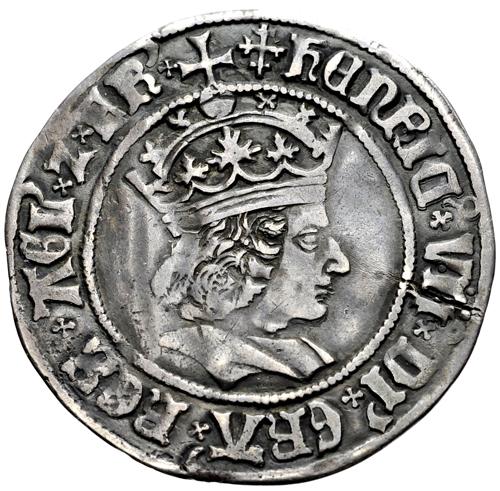
Background and claim
Henry's claim to the throne derived through his mother, a descendant of the Lancastrian Beaufort line, and was relatively distant compared with rival Yorkist lines. Exiled for much of his youth, he returned to England with a small force and supporters, defeated Richard III, and took the crown. To consolidate his position he married Elizabeth of York, uniting families whose conflict had torn the realm.
Governance and finances
Henry concentrated on strengthening royal authority and recovering fiscal health. His government emphasized efficient revenue collection, the cautious use of the exchequer, and legal instruments such as bonds and recognizances to keep magnates in check. He relied on a compact council and trusted officials to administer royal finances and enforce the law.
Foreign policy and succession
Abroad, Henry pursued a pragmatic, largely defensive diplomacy that sought alliances through marriage and treaties rather than costly wars. He arranged dynastic marriages that linked England with other European powers and promoted overseas ventures that expanded English maritime activity. He secured the Tudor succession: his son Arthur was betrothed to a Spanish princess, and after Arthur's early death, his younger son succeeded him as Henry VIII.
Legacy and significance
Henry VII's reign set foundations for stronger central government and a more cautious crown that valued stable revenues and careful diplomacy. He is often credited with ending a period of civil war and creating the conditions for the Tudor monarchs who followed. His methods—combining legal pressure, financial discipline, and strategic marriage—shaped English royal policy for decades.
- Founder of the Tudor dynasty and restorer of stability
- Reforms in royal finance and administration
- Pragmatic foreign policy and dynastic marriages
Questions and answers
Q: Who was Henry VII?
A: Henry VII was the King of England from 1485 to 1509.
Q: When was Henry VII born and when did he die?
A: Henry VII was born on January 28, 1457 and he died on April 21, 1509.
Q: What is the significance of Henry VII in English history?
A: Henry VII founded the Tudor dynasty by winning the battle of Bosworth Field in 1485.
Q: Who succeeded Henry VII to become the King of England?
A: Henry VII's son, Henry VIII became the King of England after him.
Q: When did Henry VIII become the King of England?
A: Henry VIII became the King of England after his father's death in 1509.
Q: What is the Tudor dynasty?
A: The Tudor dynasty was a royal dynasty which ruled England and Wales from 1485 until 1603.
Q: How did Henry VII establish the Tudor dynasty?
A: Henry VII established the Tudor dynasty by winning the battle of Bosworth Field in 1485.
Related articles
Author
AlegsaOnline.com Henry VII of England Leandro Alegsa
URL: https://en.alegsaonline.com/art/120569