
Isabeau of Bavaria (c.1371–1435): queen, regent, and controversial political figure
Isabeau of Bavaria was queen of France as the wife of Charles VI. She acted as a political leader during his bouts of madness, played a role in factional politics of the Hundred Years' War, and remains a debated historical figure.
Overview
Isabeau of Bavaria (c.1371–24 September 1435) was the consort of Charles VI and served as queen of France. Married in 1385, she assumed public responsibilities when the king suffered recurring mental illness. Her life coincided with the later phases of the Hundred Years' War, a period of intense military, dynastic and factional conflict.
Image gallery
10 Images

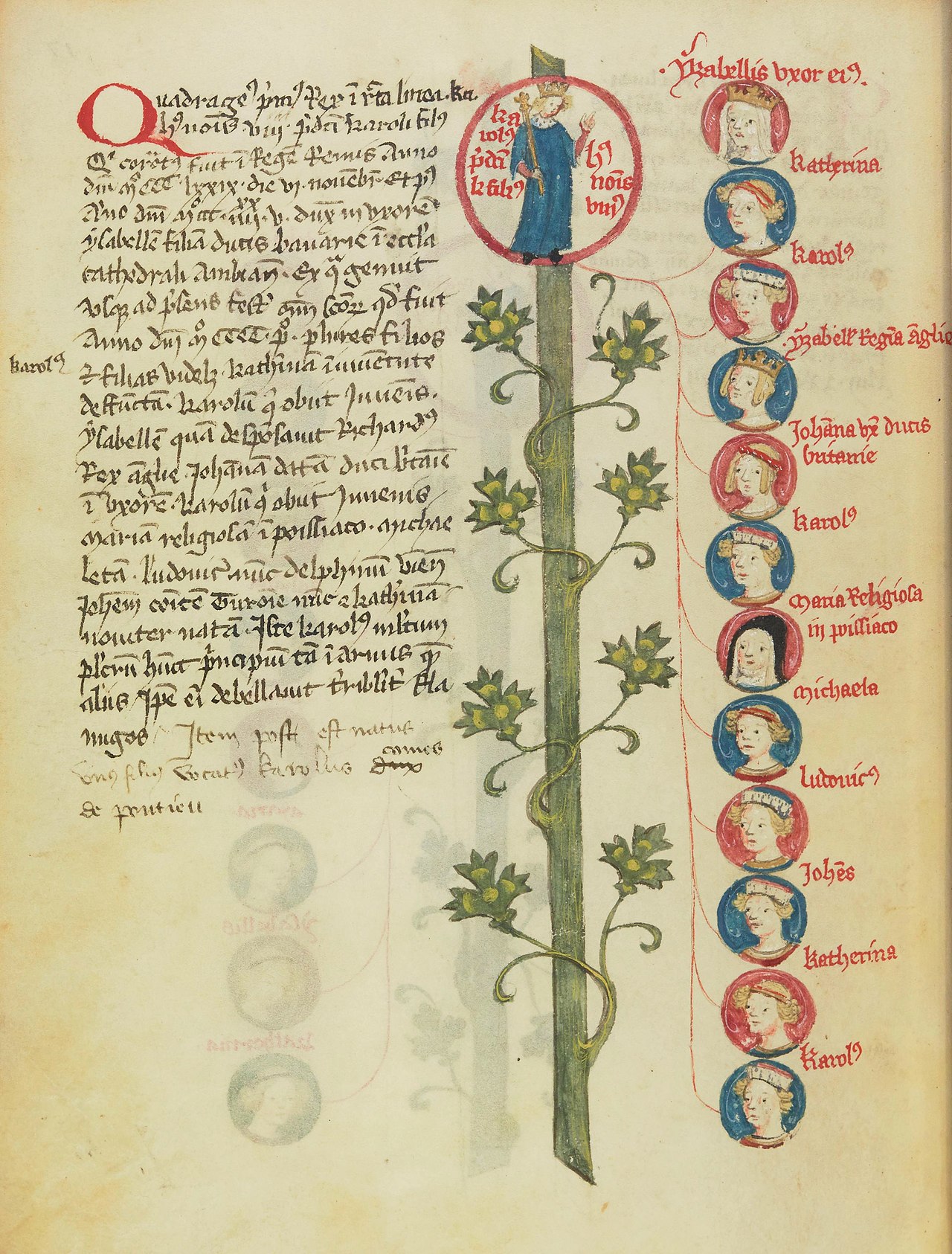


Role and political activity
As queen, Isabeau presided over the royal household and participated in governance during the king's incapacity. She acted on councils, mediated between competing noble houses and undertook diplomatic missions. Her interventions included negotiating truces, arranging marriages, and supporting regency councils when the king could not rule. This practical political activity made her an important figure in a period of weakened royal authority.
Controversies and reputation
Contemporaries and later chroniclers were often hostile to Isabeau. She became a focal point for blame when the crown appeared weak, accused of factionalism and moral failings, and implicated by some in plots such as those linked to the murder of political rivals. One major event that stained the court's image was the Bal des Ardents (1393), an accidental fire at a masked ball. In 1420 the Treaty of Troyes—negotiated amid complex pressures—effectively disinherited her son in favor of the English king, further damaging her standing.
Family and personal life
Isabeau was mother to several children, including the future Charles VII. Her role as queen-mother connected her to dynastic struggles over succession and patrimony. Personal relationships at court, real or alleged, became part of political propaganda; some accusations against her reflect factional attempts to weaken her position rather than proven facts.
Legacy and modern reassessment
For centuries Isabeau was portrayed largely as a scapegoat for national misfortunes. Modern historians have reassessed her role, emphasizing the structural limits she faced: a sick husband, rival noble factions, and an ongoing international war. While debate continues over specific actions and motives, scholars increasingly treat her as an active political actor shaped by extraordinary circumstances rather than a simple villain.
Key facts
- Approximate life dates: c.1371–1435.
- Married to Charles VI in 1385; queen of France.
- Acted in governance during the king's illness and amid the Hundred Years' War.
- Subject of lasting controversy and recent scholarly reevaluation.
Related articles
Author
AlegsaOnline.com Isabeau of Bavaria (c.1371–1435): queen, regent, and controversial political figure Leandro Alegsa
URL: https://en.alegsaonline.com/art/48313