
Caspar Weinberger (1917–2006)
Caspar Weinberger was a Republican politician and businessman who served as U.S. Secretary of Defense (1981–1987); he was a central figure in the Reagan defense buildup and received major civilian honors.
Caspar Willard "Cap" Weinberger (August 18, 1917 – March 28, 2006) was an American lawyer, businessman and Republican public official who served as United States Secretary of Defense from 1981 to 1987. A long-time participant in state and national politics, Weinberger combined private-sector managerial experience with decades of public service and became widely identified with the Reagan administration's program to rebuild and modernize U.S. armed forces during the late Cold War. For an overview of his career see official biography.
Image gallery
10 Images


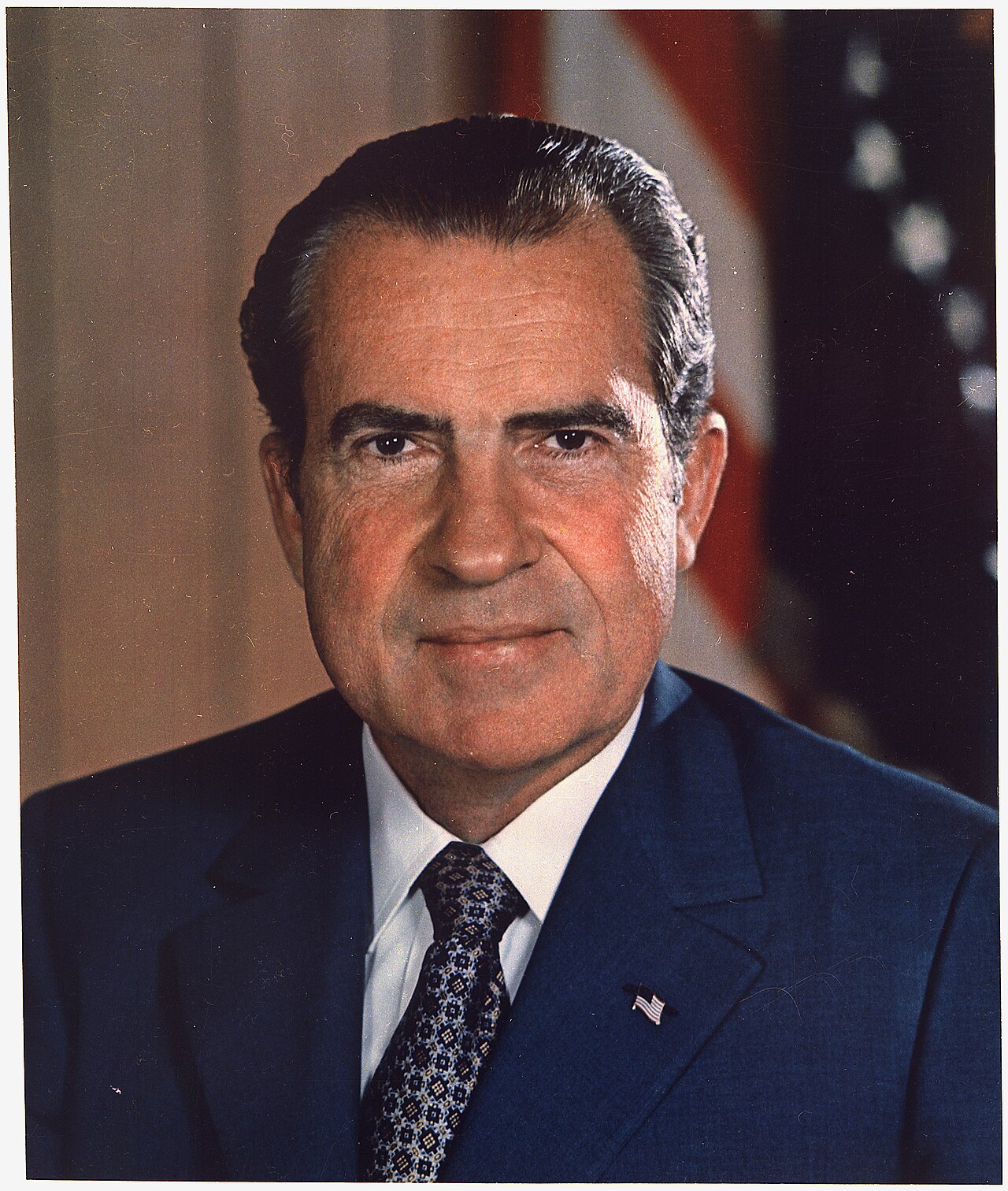


Early life and education
Weinberger was born in San Francisco, California, on August 18, 1917. He attended Harvard College and Harvard Law School, training for a career that bridged law, business and public administration. Early professional years included private legal practice and involvement in business enterprises while he built influence in California Republican circles; his work at state level is discussed in contemporary party histories and regional accounts, for example California political records. In 1942 he married Jane Weinberger; the couple had two children.
Political and administrative career
Over several decades Weinberger held a variety of appointed federal and state positions. He was active in party leadership in the 1960s and served in senior administrative roles in multiple federal offices through the 1960s and 1970s, accumulating experience in budgeting, management and executive decision-making. Histories of federal administration note his emphasis on organizational efficiency and centralized control of program implementation; summary listings of his offices and duties are available in many archival catalogs and online summaries at administrative records and in broader studies of the period at policy collections.
Secretary of Defense (1981–1987)
Appointed by President Ronald Reagan, Weinberger oversaw a substantial expansion and modernization of U.S. military capabilities. He advocated increased defense spending, upgrades to equipment and readiness, and a firm diplomatic and military posture toward the Soviet Union. His tenure saw debates over procurement priorities, force structure, and the balance between nuclear and conventional forces; these topics are addressed in contemporary analyses and government briefings, for example material cited at defense policy summaries. Weinberger's management style was characterized by close control of budgets and an insistence on clear accountability for program results.
Controversies and legal review
During and after his time in office Weinberger's decisions and the administration's activities drew public scrutiny. Inquiries connected to mid-1980s foreign policy controversies prompted legal and congressional review; reporting and legal summaries provide context and differing interpretations. Accounts of those proceedings and their outcomes can be consulted in news archives and legal overviews at contemporary reporting and legal summaries. It is broadly noted that the legal matters that arose did not result in a criminal conviction.
Honors and legacy
Weinberger received major recognitions following his public service, including the Presidential Medal of Freedom in 1987 and an honorary British knighthood conferred by the Queen. His supporters credit him with restoring U.S. military readiness and improving defense management; critics questioned aspects of expenditure priorities and long-term effects of the build-up. For official citations, award notices and commentaries see honors and citations and analytical pieces at scholarly reviews.
Personal life and death
After leaving government Weinberger remained active as a commentator and adviser on defense issues and public policy. He and his wife Jane maintained a private family life together until his death. Weinberger died on March 28, 2006, at age 88 in Bangor, Maine, where he had been treated for complications of pneumonia; contemporary obituaries and memorial notices are preserved at obituary and archive sources.
Further reading: For a balanced understanding of Weinberger's influence consult primary documents, official records and reputable historical studies. Archival collections, government publications and major press retrospectives provide detailed timelines, speeches and analyses useful to students of Cold War policy and American administrative history.
Related articles
Author
AlegsaOnline.com Caspar Weinberger (1917–2006) Leandro Alegsa
URL: https://en.alegsaonline.com/art/116084
Sources
- nndb.com : Caspar Weinberger
- politicalgraveyard.com : politicalgraveyard.com