
Carlos Santana
Carlos Santana is a Mexican-American guitarist and bandleader known for fusing rock and Latin music. This article outlines his style, career milestones, notable recordings, awards, and philanthropic work.
Overview
Carlos Santana (born July 20, 1947) is a Mexican-American guitarist and composer whose work brought a distinctive Latin-influenced sound into mainstream rock. Rising to prominence in the late 1960s with the band Santana, he helped popularize a hybrid of rock, blues and Afro-Latin rhythms. Santana's playing is widely admired for its melodic phrasing, sustaining tone and expressive vibrato, and he has remained a visible figure in global popular music for decades. For basic biographical details see biographical sources.
Image gallery
10 Images

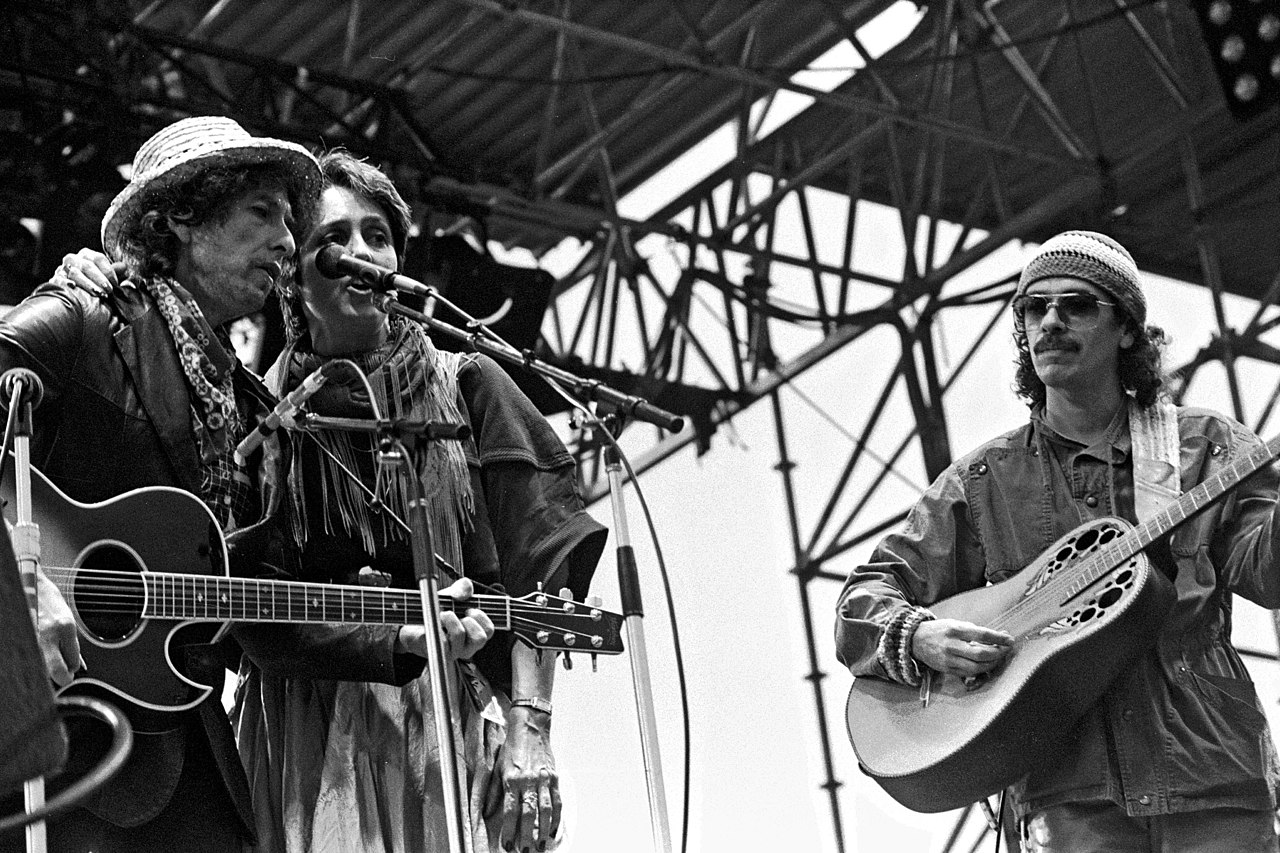
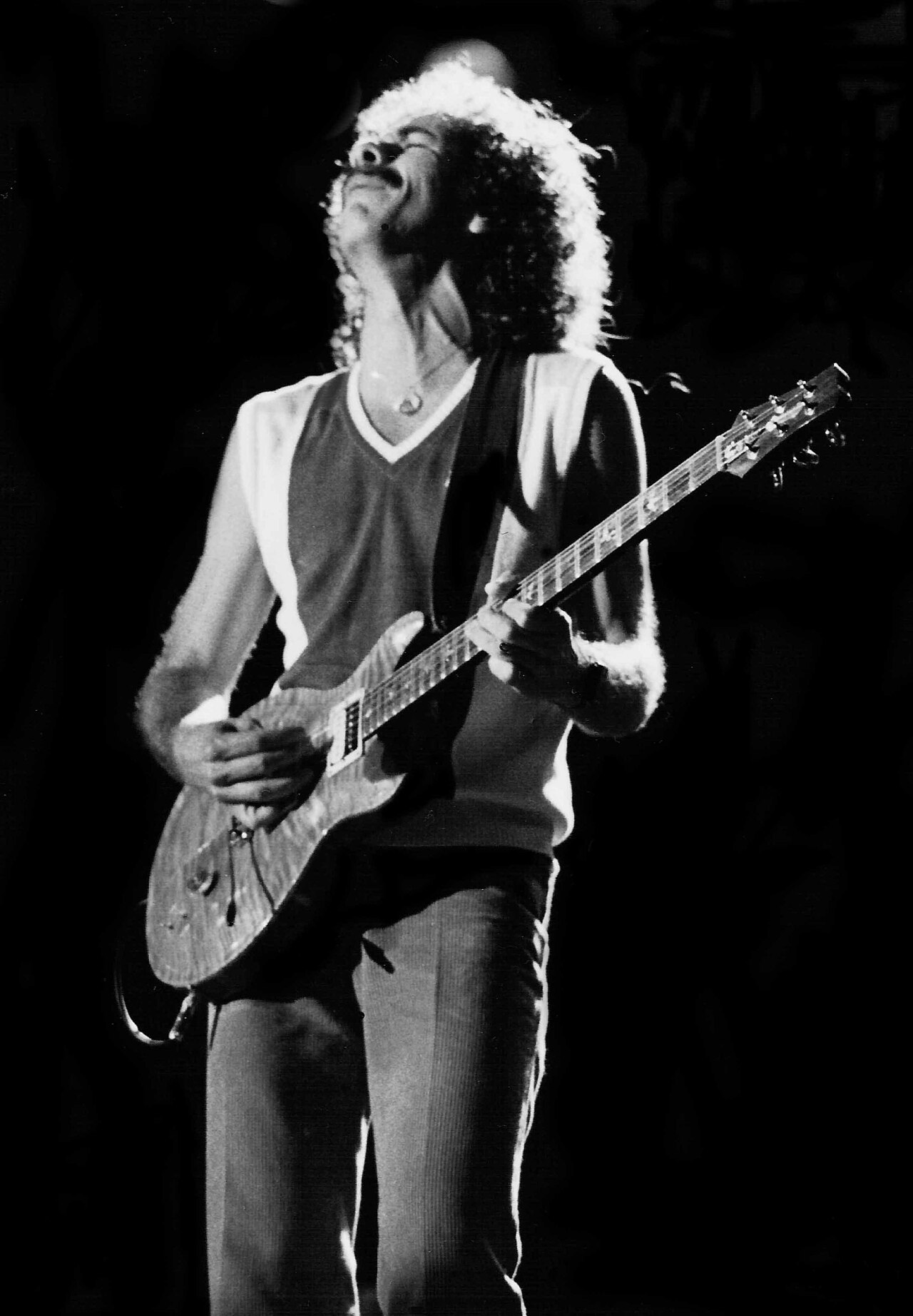

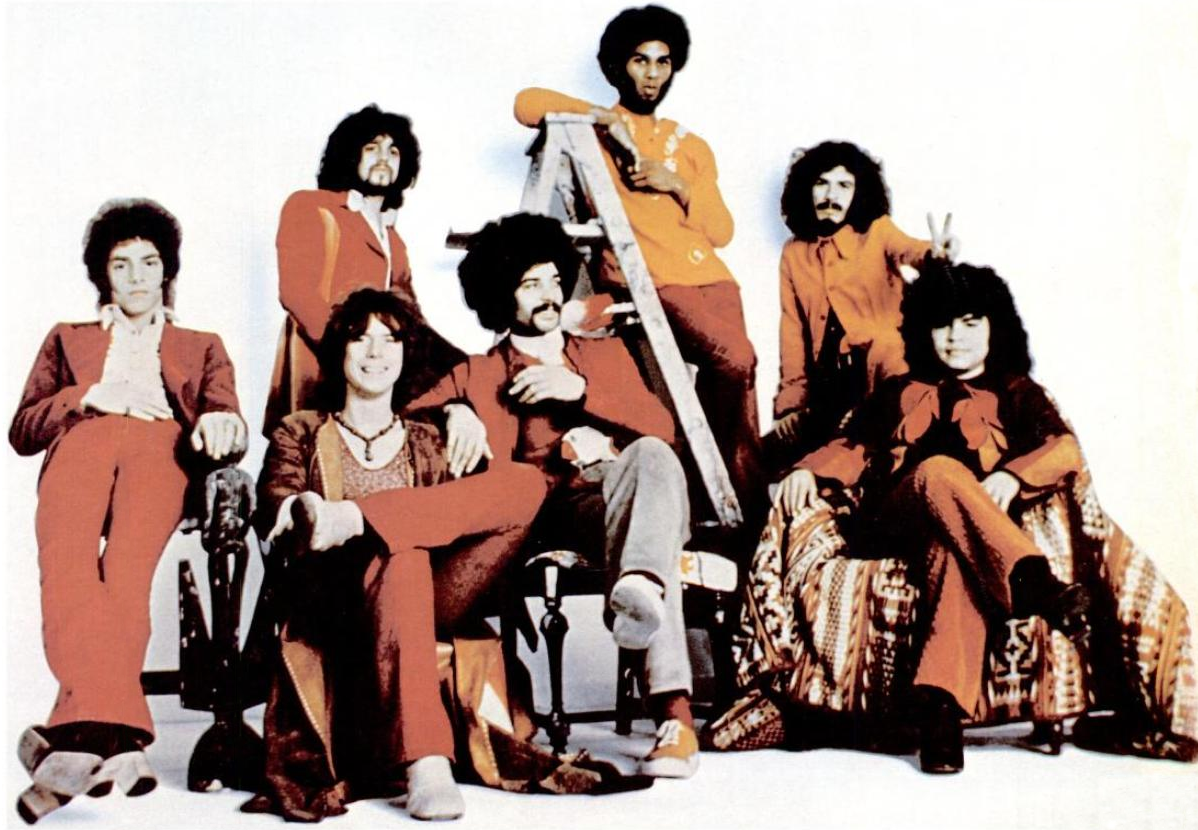


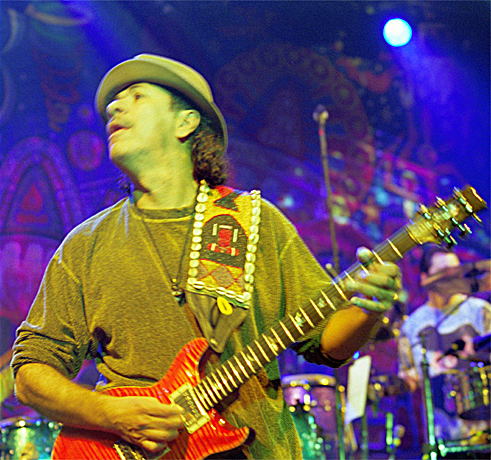

Musical style and band
Santana's music is characterized by the interplay of electric guitar and percussion. The band Santana often features congas, timbales and other percussion instruments alongside a standard rock rhythm section, creating layered rhythms that draw from Cuban, Afro-Caribbean and Mexican traditions. Carlos Santana's guitar sound typically emphasizes warm, singing single-note lines, long sustained notes and tasteful use of effects rather than rapid-fire shredding. The blend of Latin grooves with rock harmony and improvisation set Santana apart from many contemporaries and influenced later generations of guitarists and bands. For further reading on musical influences and style, consult additional musical references.
Career highlights and recordings
Santana first gained wide attention after a memorable performance at the Woodstock festival in 1969, which helped draw audiences to the band's early albums. Their repertoire includes reinterpretations of songs such as "Black Magic Woman" and "Oye Como Va" as well as original compositions. A resurgence in popular recognition came with collaborative and crossover recordings in the late 1990s and early 2000s; the album Supernatural and singles from that era brought Santana renewed commercial success and introduced his guitar work to a younger generation. Major career moments and timeline summaries are available at career overviews.
Notable songs and albums
- Albums: Early breakthrough records with Santana, later landmark releases such as Abraxas, and the collaborative Supernatural.
- Singles and performances: Interpretations of classic tunes like "Black Magic Woman" and "Oye Como Va," plus high-profile duets that expanded his mainstream appeal.
- Live work: Santana's live performances emphasize extended solos and rhythmic interplay, often featuring rotating lineups of vocalists and instrumentalists.
Awards, recognition and legacy
Over his career Santana has received numerous honors, including multiple Grammy Awards and Latin Grammy Awards. His influence is acknowledged in lists and polls of outstanding guitarists and his band has been inducted into major music halls of fame. These recognitions reflect both technical accomplishment and the wider cultural impact of blending Latin music with rock idioms. See institutional recognitions and rankings at awards and honors.
Personal life and philanthropy
Beyond performing, Santana has engaged in spiritual and charitable activities. He founded the Milagro ("Miracle") Foundation, a nonprofit that supports education, health care and community development projects for young people and families. In his personal life he married Deborah King in 1973; the couple had three children. Santana has often spoken about spirituality and its influence on his music, and he has collaborated with many artists across styles, helping to bridge genres and cultures.
Santana's career spans more than five decades and illustrates how cross-cultural musical synthesis can reach broad audiences while retaining rhythmic and melodic roots. For readers seeking deeper exploration, the above links provide starting points into biographical, musical and institutional material.
Related articles
Author
AlegsaOnline.com Carlos Santana Leandro Alegsa
URL: https://en.alegsaonline.com/art/115948
Sources
- billboard.biz : "RCA's Peter Edge, Tom Corson on the Shuttering of Jive, J and Arista"
- rollingstone.com : "100 Greatest Guitarists: Carlos Santana"
- allmusic.com : "Santana received 10 Grammy Awards and 3 Latin Grammy Awards"