
Carl Nielsen: Danish Composer (1865–1931)
Carl Nielsen (1865–1931) was Denmark's foremost composer, known for six symphonies, the opera Maskarade, chamber works and a distinctive modern voice that mixed folk influence, bold orchestration and progressive tonality.
Overview
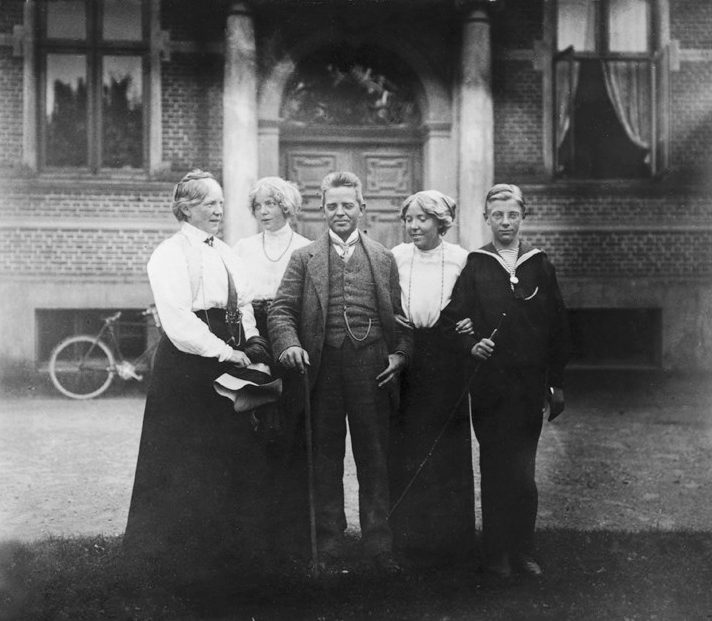
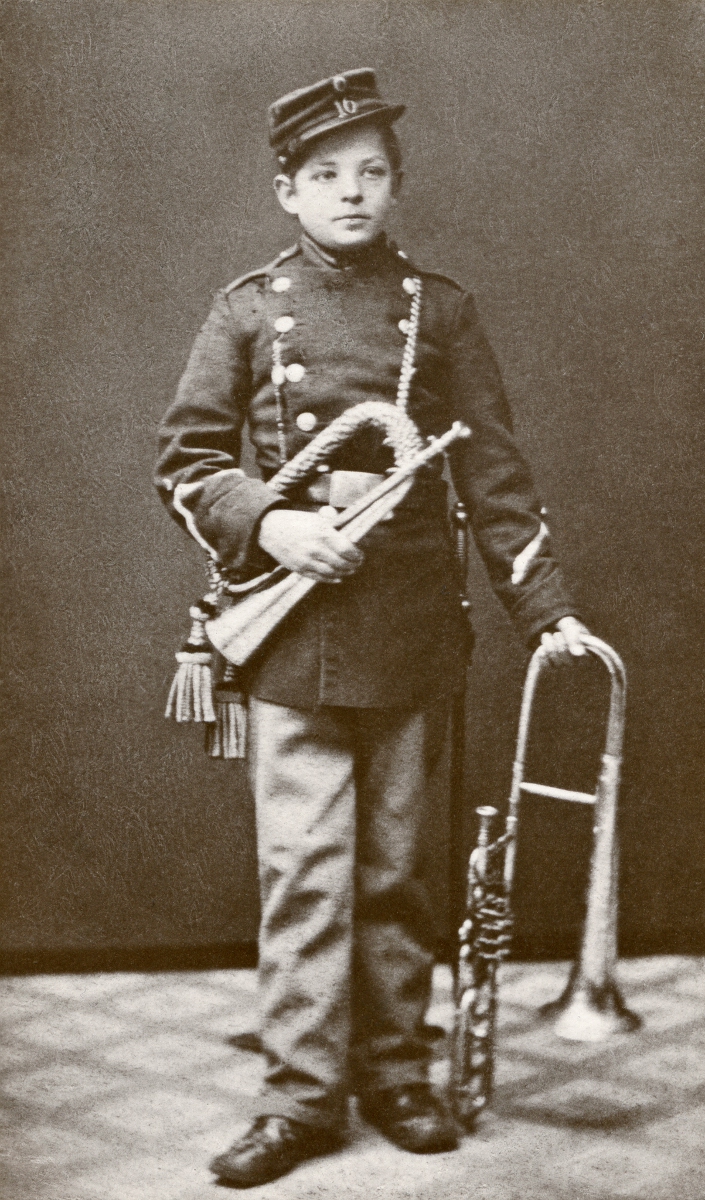
Carl Nielsen was born on Funen in 1865 and died in Copenhagen in 1931. He is widely regarded as the preeminent Danish composer of his era and one of the important figures in late 19th and early 20th-century orchestral music. Nielsen’s output spans symphonies, operas, chamber music, songs and works for wind and brass, and his music remains central to the Scandinavian repertory.
Image gallery
10 Images



Major works and forms
Nielsen is best known for his cycle of six orchestral works often grouped as his symphonies. These pieces demonstrate a progression in ambition and style across his career. He also wrote a popular comic opera, Maskarade, a celebrated Wind Quintet, concertos, choral music and numerous songs and smaller instrumental pieces.
- Six symphonies, including the well-known Third (often titled Sinfonia espansiva) and the Fourth (commonly called The Inextinguishable) — see symphonies.
- Opera: Maskarade, widely performed in Denmark and appreciated for its theatrical charm.
- Chamber works: wind quintet and various sonatas and pieces for strings and piano.
Musical style and characteristics
Nielsen’s style blends lyricism, rhythmic vitality and clear textures with a modern use of harmony. He was interested in what music could express about individuality and the human spirit, often exploring tension and release through shifting tonal centers — a tendency sometimes called progressive tonality. Folk tunes and dance rhythms from Danish tradition appear alongside unexpected dissonances and contrapuntal writing.
Career and historical context
Coming of age musically at the turn of the 20th century, Nielsen worked as a court violinist and later as a conductor and teacher, participating actively in Denmark’s musical life. His work developed alongside broader European currents — romanticism giving way to more modern, sometimes austere tendencies — yet he retained a distinct national voice rather than following any single international fashion.
Legacy and importance
Nielsen’s music is valued for its originality, accessibility and emotional range. His symphonies in particular challenged established forms while remaining immediately communicative, and his opera and chamber pieces continue to be performed worldwide. Recordings, modern editions and scholarship have increased appreciation of his contribution to both Danish culture and the wider orchestral repertoire.
Questions and answers
Q: Who is Carl Nielsen?
A: Carl Nielsen was a famous Danish composer, born in Sortelung, near Nørre Lyndelse on Funen, on June 9, 1865.
Q: What is Carl Nielsen known for?
A: Carl Nielsen is known for being the most famous composer from Denmark and one of the most important composers of symphonies from the late 19th and early 20th centuries.
Q: When did Carl Nielsen die?
A: Carl Nielsen died in Copenhagen on October 3, 1931.
Q: What is Carl Nielsen's main contribution to music?
A: Carl Nielsen's main contribution to music is his symphonies, which are considered some of the best of the late 19th and early 20th centuries.
Q: Where was Carl Nielsen born?
A: Carl Nielsen was born in Sortelung, near Nørre Lyndelse on Funen, Denmark.
Q: Why is Carl Nielsen famous?
A: Carl Nielsen is famous for being the most famous composer from Denmark and one of the most important composers of symphonies from the late 19th and early 20th centuries.
Q: What period of music did Carl Nielsen belong to?
A: Carl Nielsen belonged to the late 19th and early 20th centuries, which was a period of classical music.
Related articles
Author
AlegsaOnline.com Carl Nielsen: Danish Composer (1865–1931) Leandro Alegsa
URL: https://en.alegsaonline.com/art/115995