
Björk — Icelandic singer, composer and multimedia artist
Icelandic artist Björk (b. 1965) is a singer-songwriter, composer and multimedia innovator noted for experimental pop, distinctive voice, film work and striking visual and performance art.
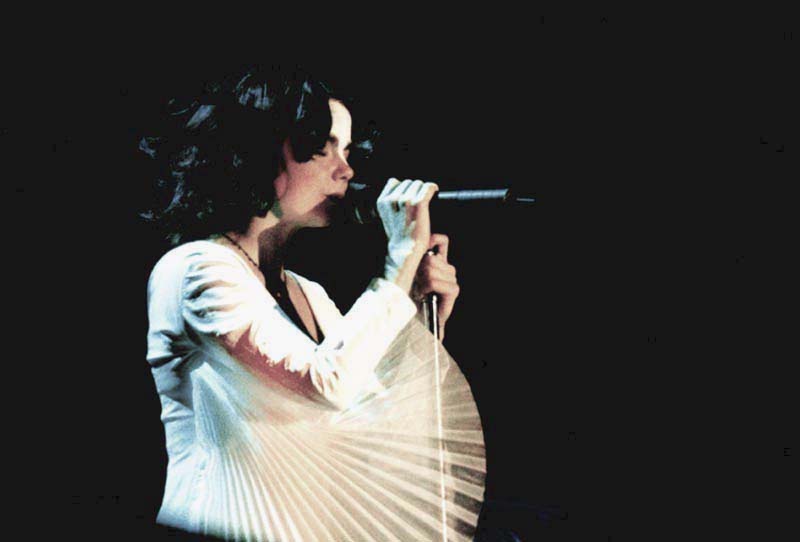
Björk Guðmundsdóttir (born 21 November 1965) is a musician and multimedia artist from Reykjavík, Iceland. Widely known simply as Björk, she has combined roles as a singer, songwriter, composer, actress and record producer over a career that spans pop, electronic, experimental and classical influences. Her voice, arrangements and visual presentation have made her one of the most distinctive artists to emerge from the late 20th century onward.
Image gallery
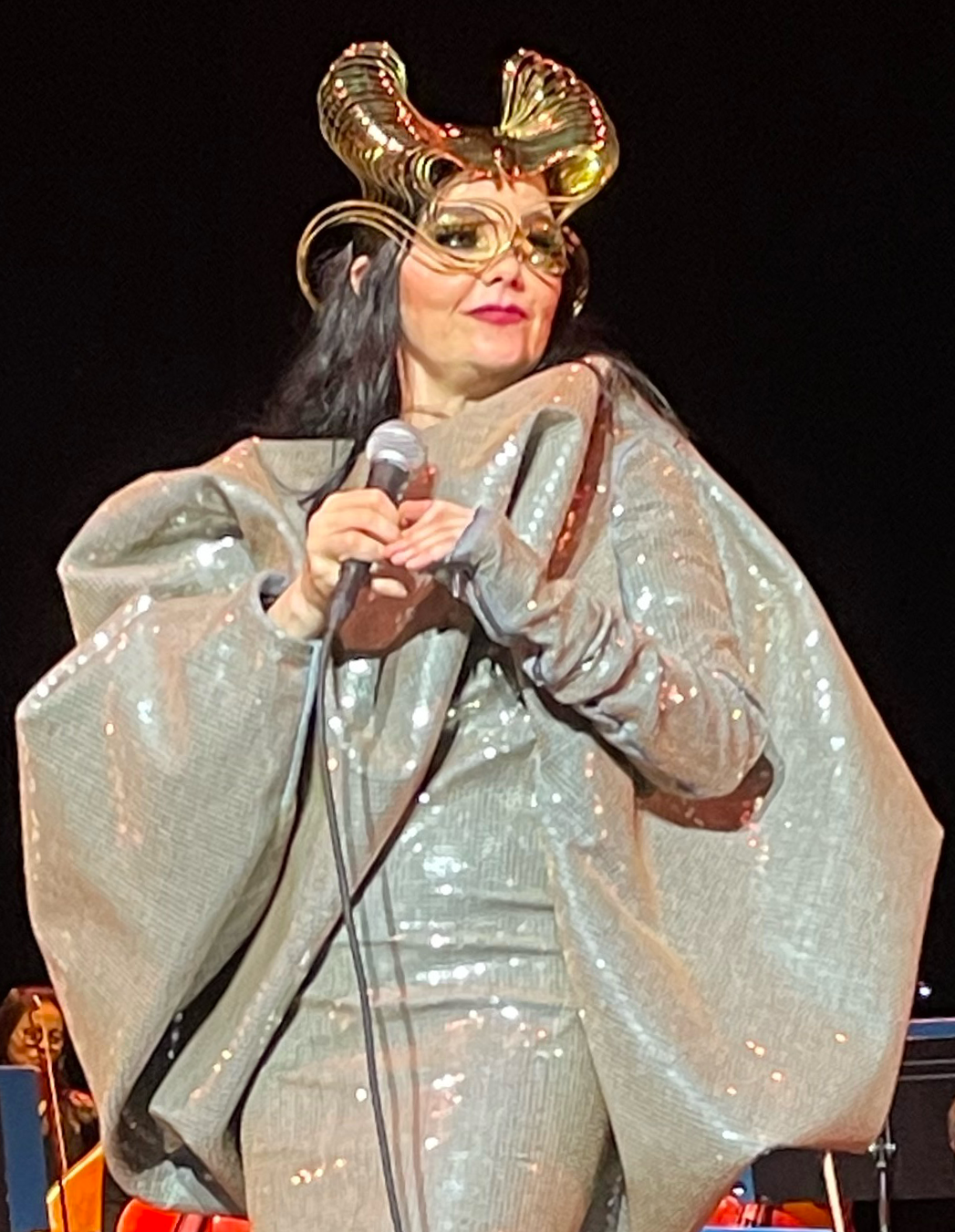
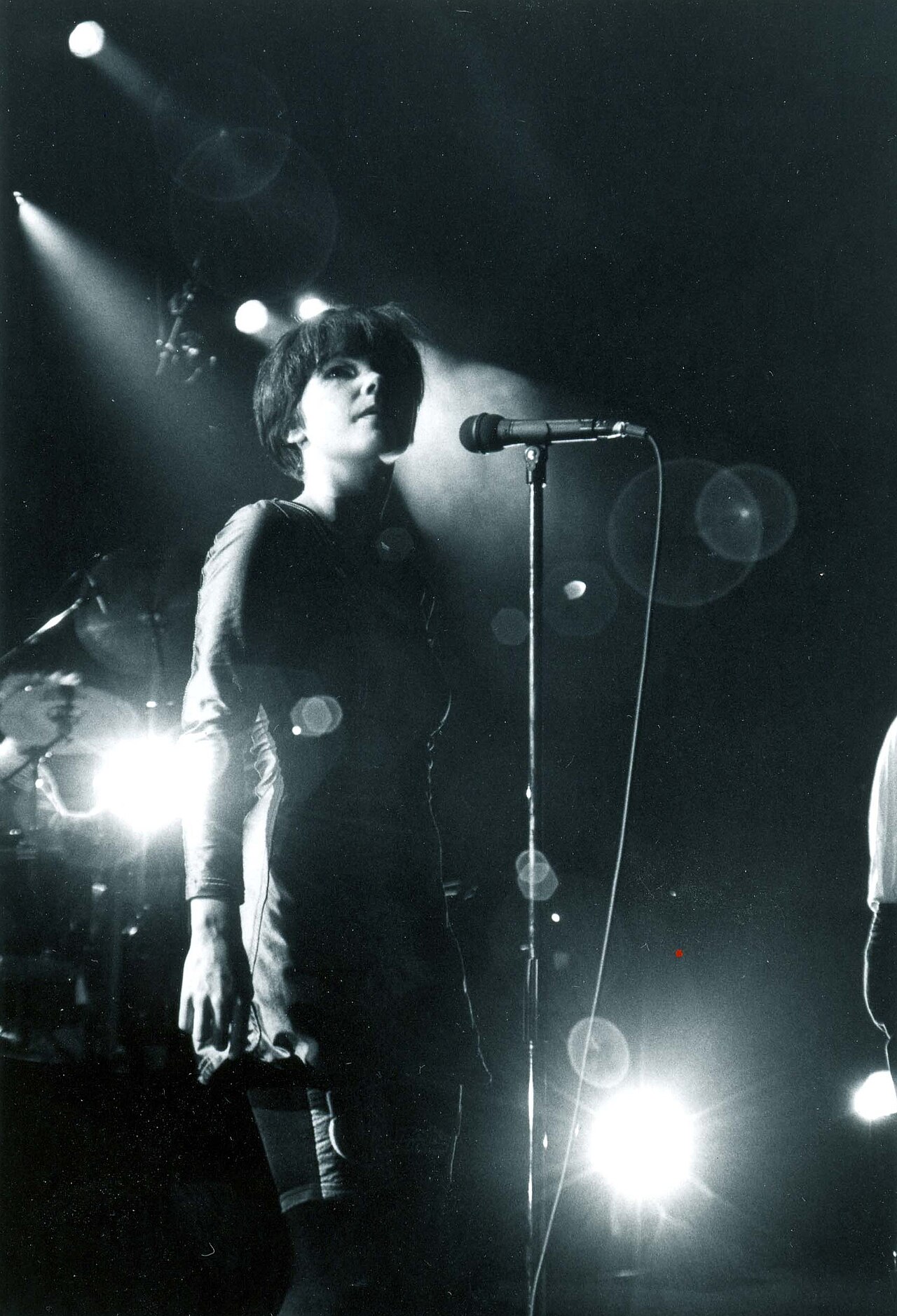
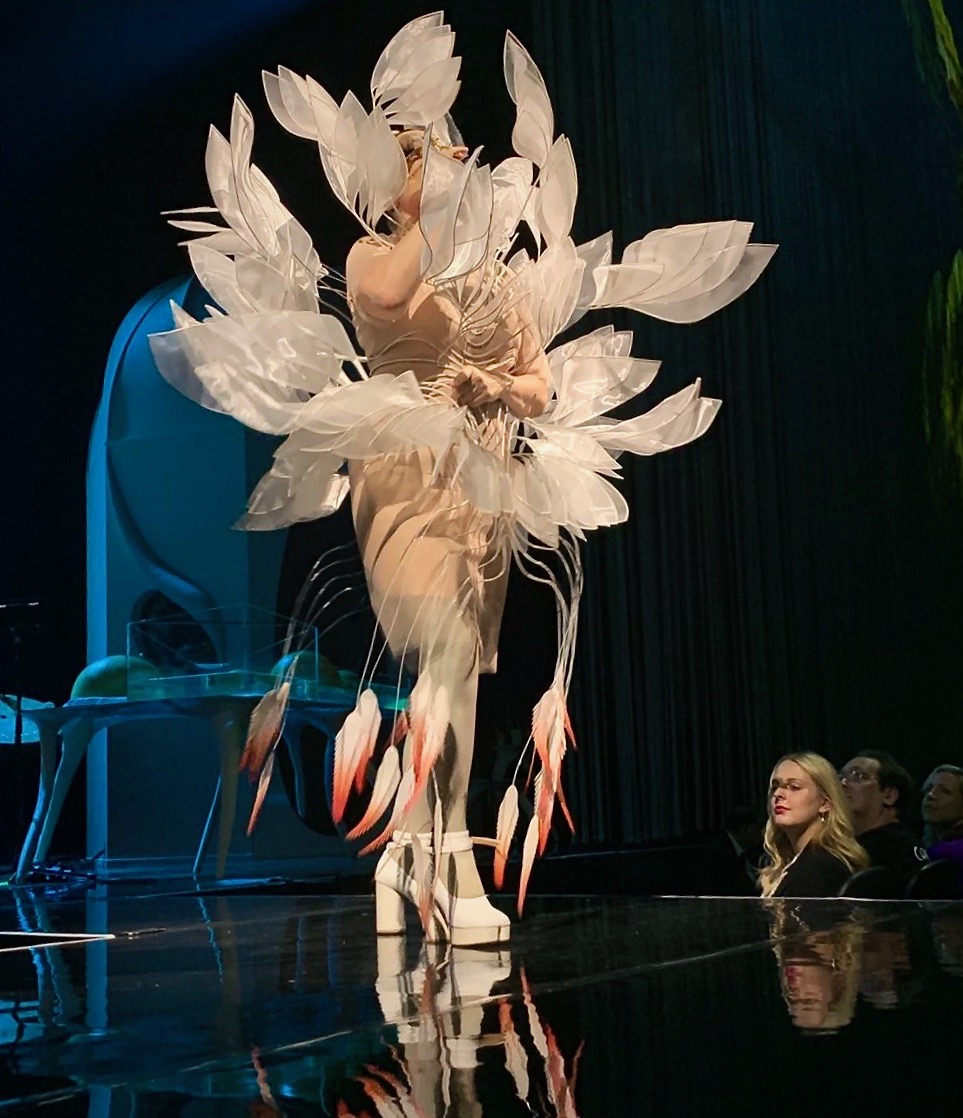
10 Images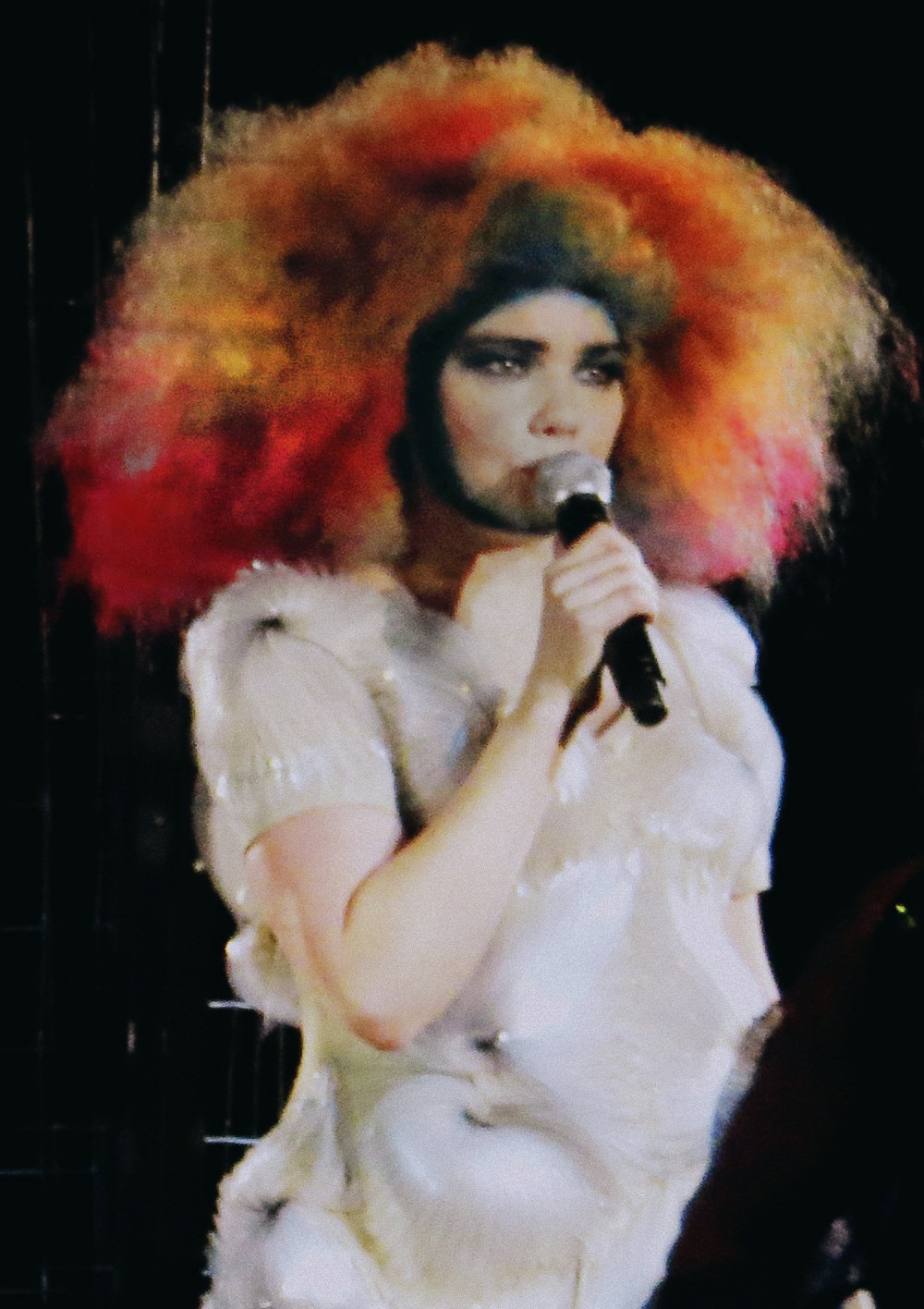



Early career and development
Björk first attracted attention as a child performer; a radio broadcast of a school recital led to a recording contract and the release of a self-titled album in 1977. She later became internationally visible as the lead vocalist of the band The Sugarcubes, an alternative rock group that brought Icelandic music to a wider audience. After The Sugarcubes disbanded, Björk launched a solo career in the early 1990s and achieved commercial and critical success with a series of albums that explored sampling, electronic production and orchestration.
Musical style and creative approach
Björk’s work is characterized by an adventurous approach to sound: she blends electronic beats, classical strings, unconventional instrumentation and manipulated vocal textures. Her singing ranges from intimate whispers to powerful, resonant highs, and she often treats the human voice itself as an instrument. Collaborations with producers and experimental musicians have been central to her evolution; she has repeatedly rethought how songs are arranged, recorded and presented through artful music videos, elaborate stage designs and fashion-forward visual concepts.
Major albums, performances and examples
- Albums that attracted international attention include career milestones that mixed pop melodies with avant-garde production and orchestral elements.
- Her live performances frequently incorporate bespoke instruments and innovative stage technology, emphasizing an immersive audiovisual experience.
- Music videos and short films connected to her releases have become part of her artistic identity, often shown at galleries as well as on music channels.
Awards, film work and recognition
Björk’s contributions have been recognised with many honors. She has won awards such as BRIT Awards and several industry prizes for her videos and recordings, and she has been nominated for multiple Grammys. Her turn to acting brought her international acclaim: she won Best Actress at the Cannes Film Festival for her role in the musical drama Dancer in the Dark, and that performance led to an Academy Award nomination and attention from awards bodies including the Golden Globe committees.
Legacy, influence and public life
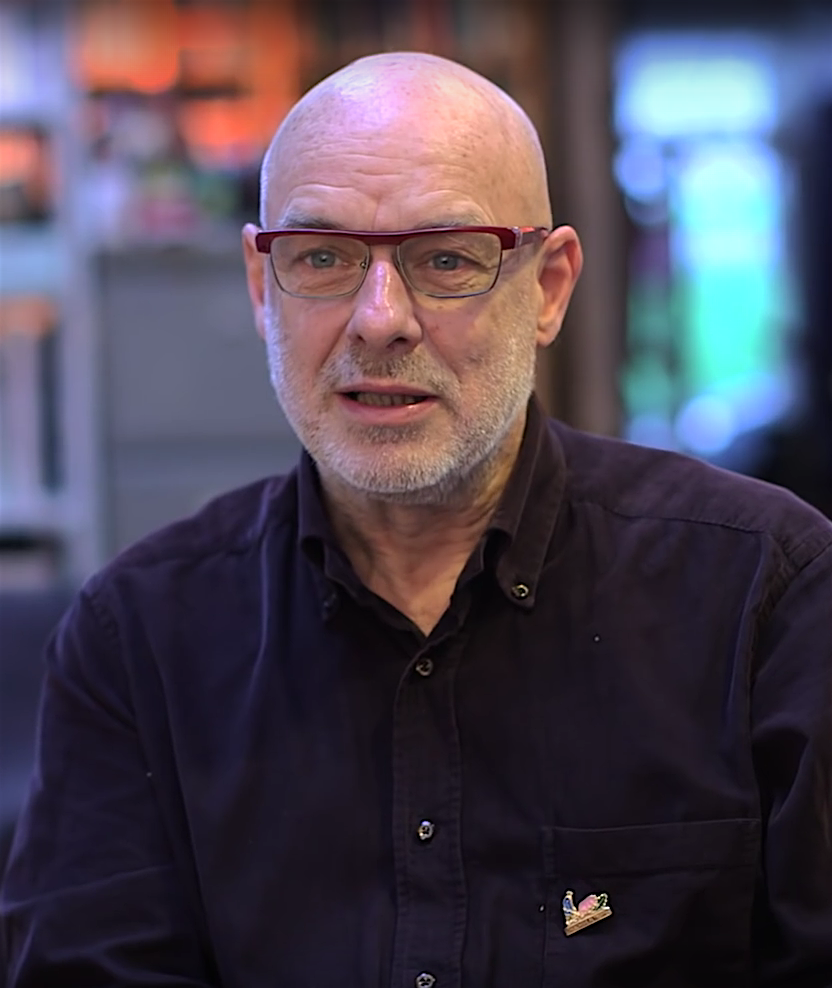
Beyond awards, Björk is often cited as an influential figure in contemporary music for her willingness to experiment and for keeping artistic control over many aspects of her output. She has been profiled in documentaries and cultural programs — for example, the television meeting with naturalist Sir David Attenborough was broadcast as When Björk Met Attenborough — and she continues to appear in interviews, exhibitions and collaborations. Björk is a public figure whose personal life occasionally intersects with her work; she has two children and maintains residences between cities including New York City and her native Reykjavík.
Questions and answers
Q: When was Björk born?
A: Björk was born on 21 November 1965 in Reykjavík, Iceland.
Q: What is Björk known for?
A: Björk is an Icelandic singer, songwriter, composer, actress, record producer and DJ. She is recognized as one of the best singer-songwriters of her generation and has won numerous awards for her innovative vocal and compositional approaches.
Q: What band did she perform with before embarking on a solo career?
A: Before embarking on a solo career in 1993, Björk was the lead singer of alternative rock band The Sugarcubes which is called as "Iceland's biggest rock band".
Q: How many awards has she won?
A: Björk has won five BRIT Awards, four MTV Video Music Awards, one MOJO Award, three UK Music Video Awards, 21 Icelandic Music Awards and the Polar Music Prize from the Royal Swedish Academy of Music. She has also been nominated for 14 Grammy Awards, one Academy Award and two Golden Globe Awards.
Q: What other recognition has she received?
A: In addition to awards recognition, she was included in Time Magazine's list of the 100 most influential people in the world. She also won Best Actress Award at 2000 Cannes Film Festival for her performance in movie Dancer in the Dark.
Q: Does Bjork have any children?
A: Yes, she has a son named Sindri and a daughter named Isadòra.
Q: Where does Bjork live?
A:Bjork lives in New York City but also owns a home in Reykjavík
Related articles
Author
AlegsaOnline.com Björk — Icelandic singer, composer and multimedia artist Leandro Alegsa
URL: https://en.alegsaonline.com/art/115299
Sources
- nytimes.com : "Sometimes Heartbreak Takes a Hostage"
- openculture.com : "Björk and Sir David Attenborough Team Up in a New Documentary About Music and Technology"
- channel4.com : channel4.com