
Record producer (music producer)
A record producer coordinates and shapes the creation of recorded music, directing sessions, arranging and supervising technical and artistic steps from demos to final release.
Overview
A record producer, often called a music producer, is the professional who oversees the process of creating recorded music. In broad terms the producer plays a role similar to a film director for a movie: they guide the artistic vision, coordinate contributors, and make decisions that shape the finished sound. Producers work with musicians and performing artists to craft individual singles and full-length albums, balancing musical goals with schedule and budget constraints.
Image gallery
5 Images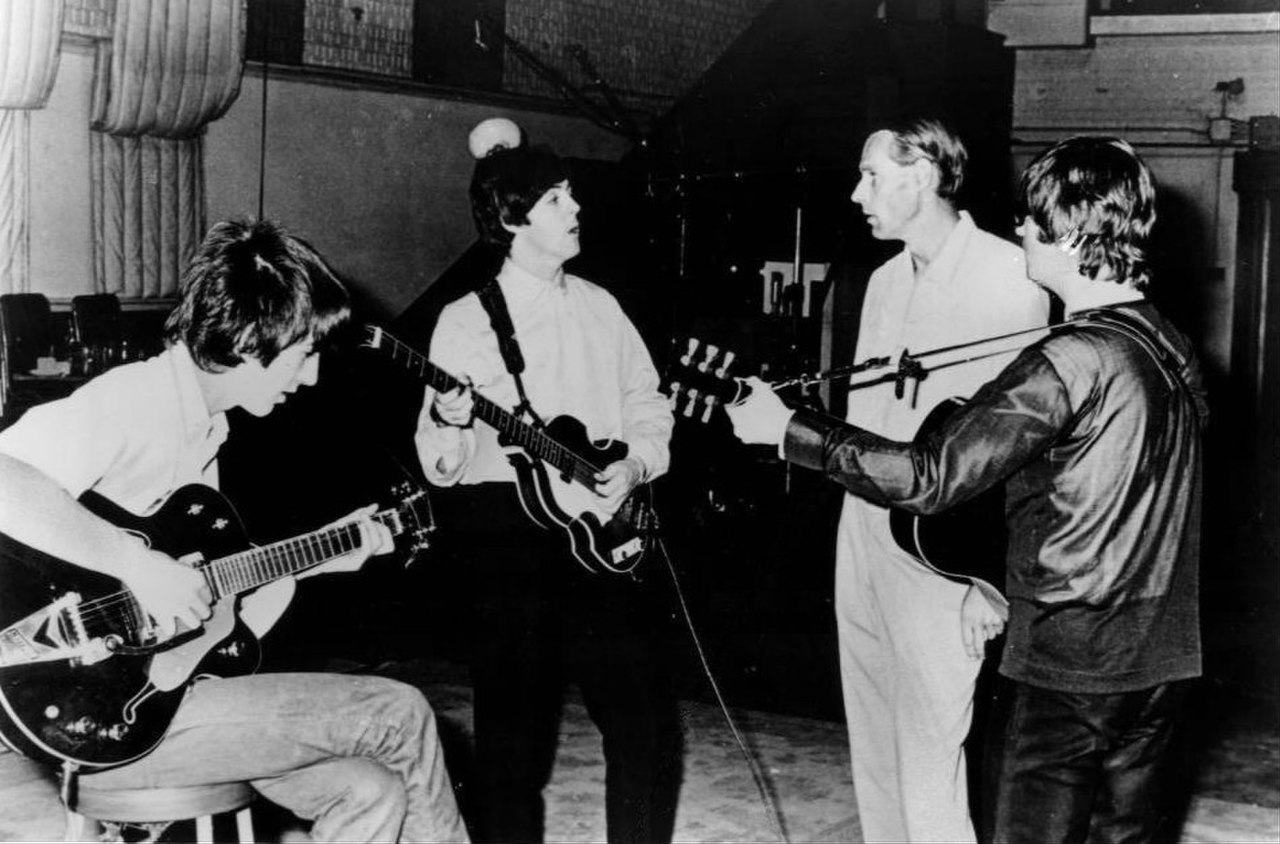



Typical roles and responsibilities
Responsibilities vary with the project but commonly include selecting material or helping write songs, arranging parts, coaching performers, choosing takes, and supervising recording, editing, mixing and mastering. Producers may program parts, create demos, or bring in session musicians and arrangers. On the technical side they collaborate with engineers and use tools such as digital audio workstations (DAWs), microphones and outboard gear to capture and shape sound.
Types and specializations
Producers can specialize by genre, function or workplace. Common distinctions include:
- Beatmaker/hip-hop producer: creates instrumentals, often programming drums and samples.
- Pop/rock producer: focuses on song structure, performances and commercial sound.
- Executive producer: handles financing, rights and high-level project oversight rather than day-to-day studio work.
- Co-producer/assistant producer: shares duties or supports the lead producer.
- In-house vs freelance: staff producers work for labels or studios; freelancers are hired per project.
Typical process and tools
A project commonly moves through pre-production (song selection, arrangements, demos), tracking (recording performances), editing (comping and timing), mixing (balancing and processing tracks) and mastering (final sonic polishing). Producers employ musical skills—songwriting, arranging, instrumentation—plus people-management, studio workflow knowledge and technical familiarity with recording and mixing techniques.
History and notable facts
The role has evolved as recording technology advanced: early producers worked in analog studios and often acted as arrangers and creative directors, while modern producers may work entirely in home studios with software-based tools. Some producers gained recognition as artists in their own right and helped define genre sounds. The balance between artistic guidance and technical responsibility varies widely between projects and producers.
Importance and distinctions
Beyond making a recording sound professional, producers often translate an artist’s ideas into realizable arrangements, mediate between creative and commercial aims, and ensure a project is delivered on time and on budget. Distinct from engineers (who mainly operate recording equipment) and mixers or mastering engineers (who specialize in those final stages), producers have a broader remit that blends artistic leadership with production management.
For more on film and music production roles see related resources: film director comparison, working with musicians, single production and album workflows.
Related articles
Author
AlegsaOnline.com Record producer (music producer) Leandro Alegsa
URL: https://en.alegsaonline.com/art/81587